
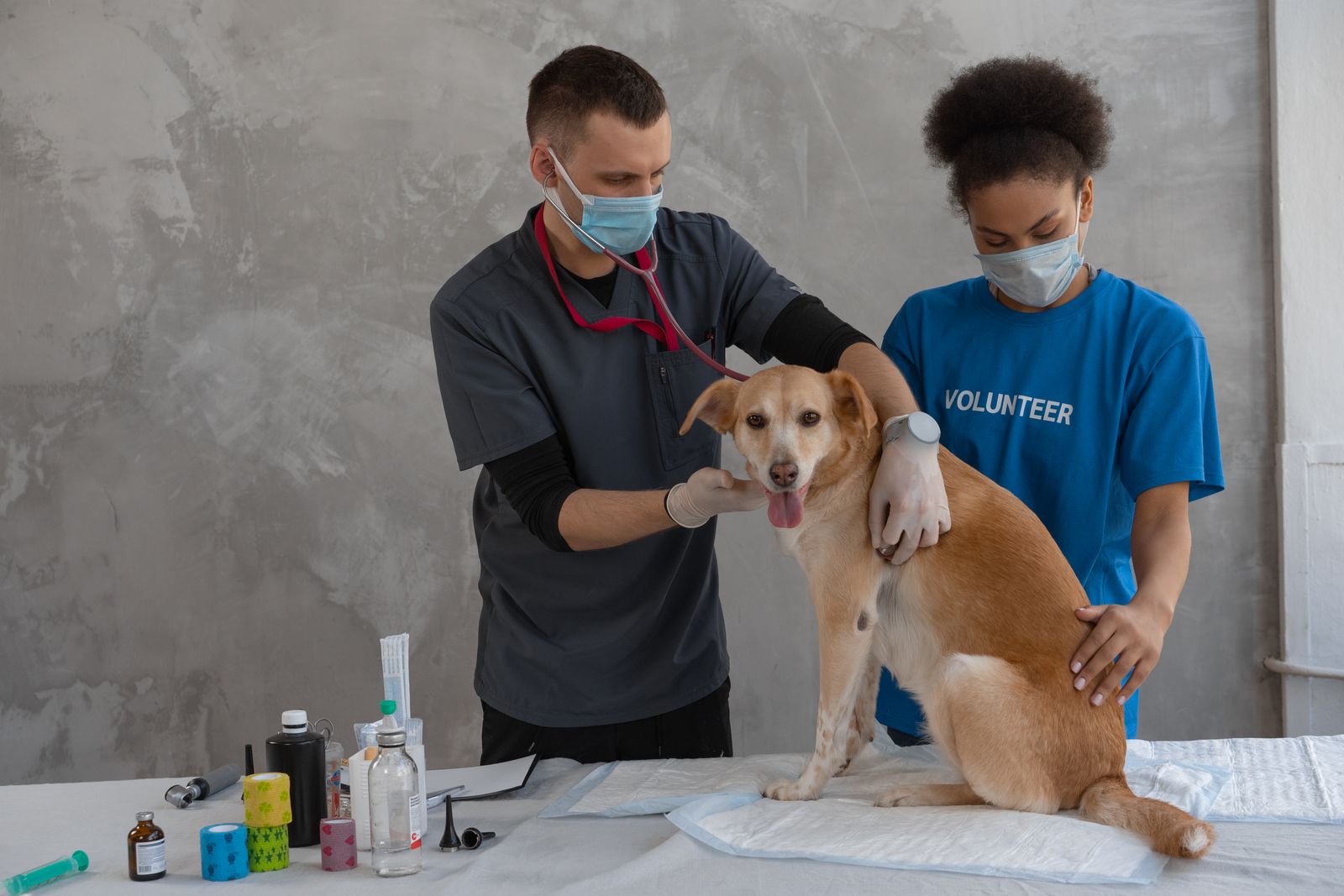
Veterinary Consultation
A careful examination, a clear explanation and a treatment plan built around your pet — never a rushed guess.
Learn moreMecco care
Dental disease is one of the most common problems we see, and one of the most overlooked. It causes pain, infection and even damage to the heart and kidneys when left untreated.

1 / 6
What to expect
Pets rarely stop eating because of tooth pain — they simply cope. By the time owners notice bad breath, drooling or difficulty chewing, significant disease is often already present. Gums become inflamed, tartar hardens onto the teeth, and bacteria work their way below the gum line where you cannot see them.
A healthy mouth supports a healthy body. Chronic infection in the mouth repeatedly seeds bacteria into the bloodstream, which can stress the heart, liver and kidneys over time. Regular dental assessment lets us treat problems early, when care is simpler and your pet suffers less.
We examine the mouth, note which teeth are affected and discuss what cleaning or extraction is likely to be needed. For more involved cases we may take X-rays or recommend blood tests first.
Dental work cannot be done properly or humanely on a struggling, awake animal. Your pet is anaesthetised and monitored throughout, which also allows us to clean beneath the gum line where disease hides.
Tartar is removed above and below the gum line, then the teeth are polished to leave a smooth surface that resists new plaque.
A tooth that is loose, fractured or badly infected is removed, and the site is closed neatly. We only extract teeth that cannot be saved — never as a shortcut.
Your pet wakes with pain relief on board, and we show you how to support healing at home while the mouth settles.

Between professional cleanings, brushing — or dental chews, gels and specially designed diets — makes a real difference. We will show you how to introduce brushing gradually and how to check your pet’s mouth at home, including the warning signs that mean a visit is overdue.
Not every pet will accept a toothbrush, and that is alright. There are effective alternatives, and we will choose one that suits your animal’s temperament rather than recommending something they will never tolerate.
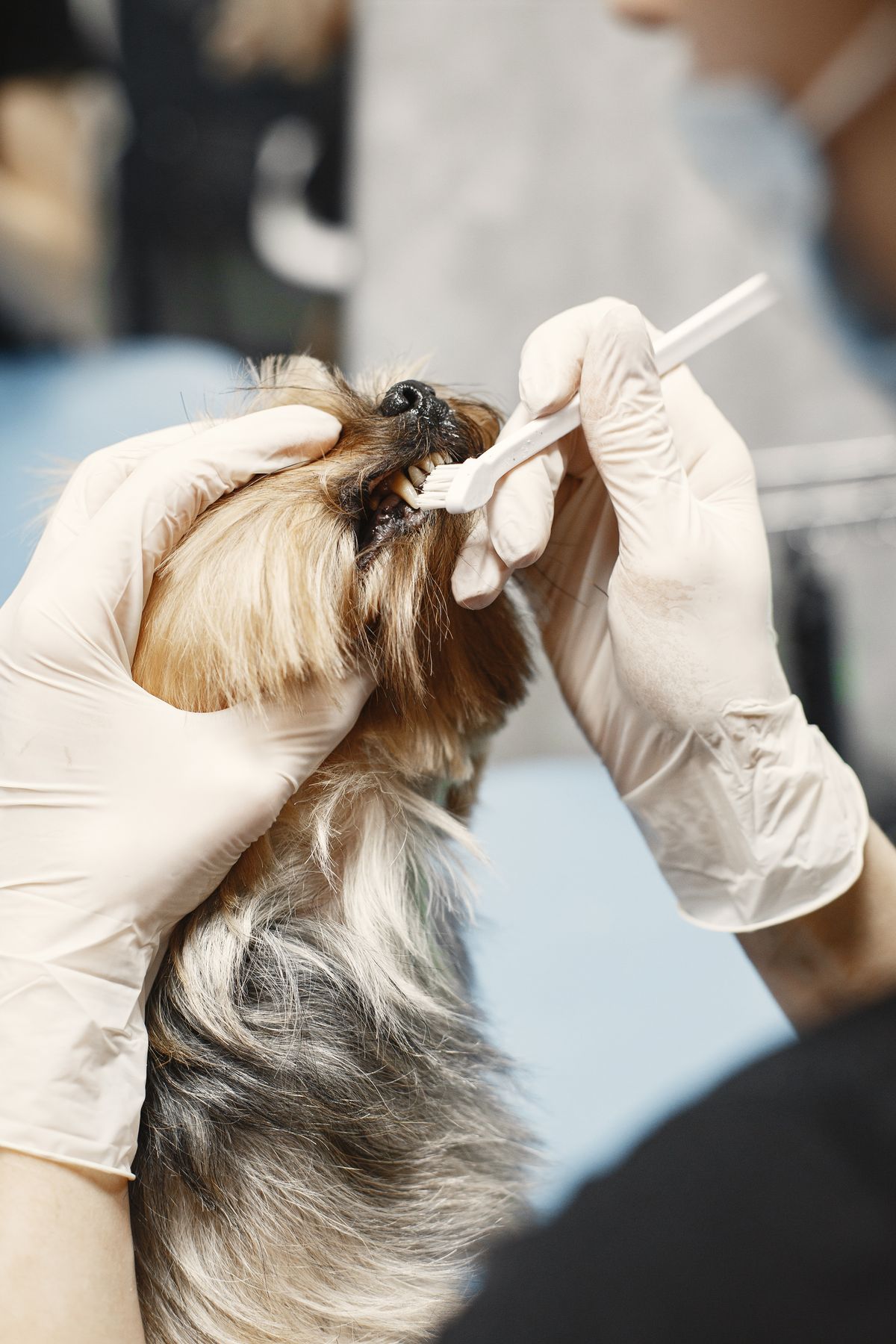
After an extraction, we may advise soft food for a few days, avoid hard toys and bones, and give pain relief as prescribed. Most pets eat more comfortably within a day or two, and many owners tell us they wish they had acted sooner.
Some patients — those with heart disease, bleeding disorders or very small breeds with crowded mouths — carry higher anaesthetic or dental risk. We will discuss these honestly and, where a case needs specialist oral surgery, refer you rather than overreach.
Related care
A careful examination, a clear explanation and a treatment plan built around your pet — never a rushed guess.
Learn more
Vaccination, deworming, parasite control and wellness checks that keep pets healthy — not just treated when they are ill.
Learn more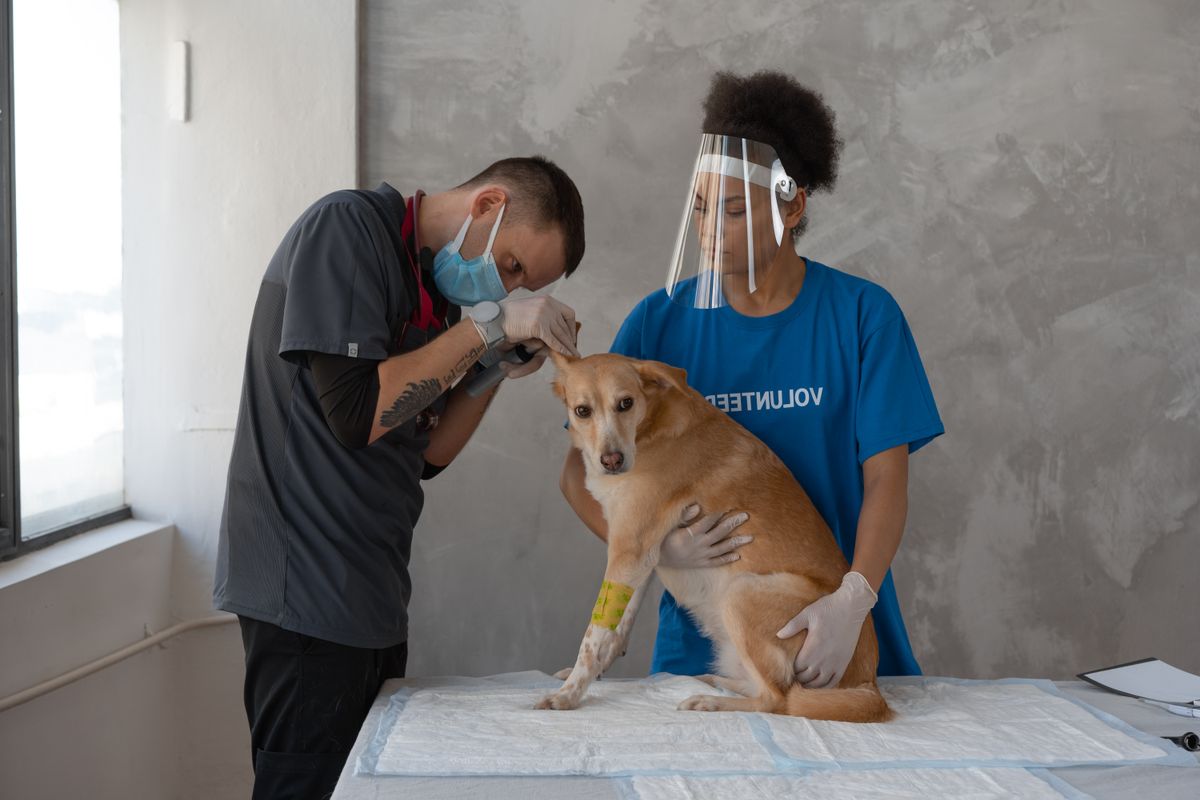
Spaying, neutering and soft tissue procedures performed with careful anaesthesia, sterile technique and close monitoring.
Learn moreReady when you are
Book a consultation and we will assess your pet and explain the options clearly.