
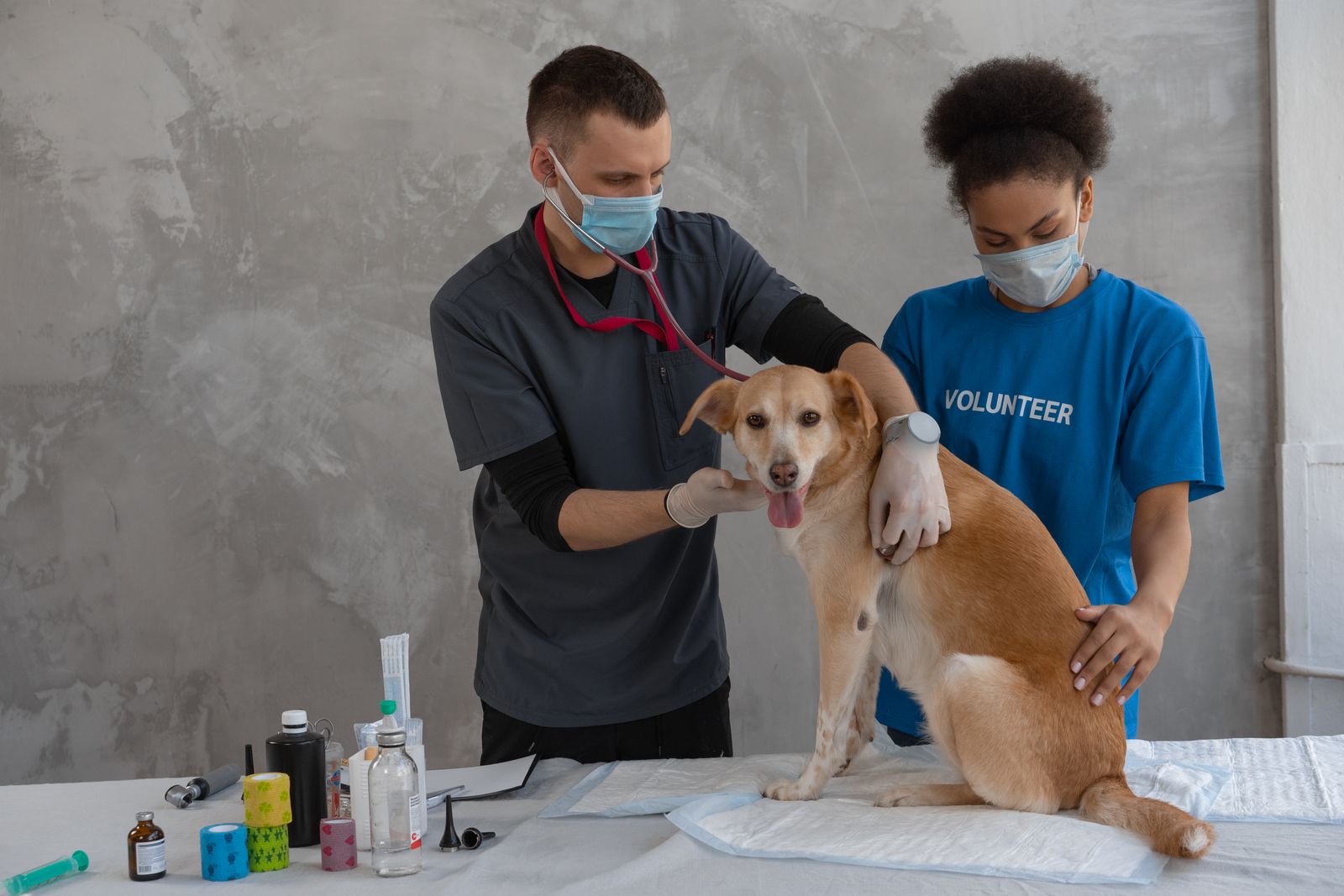
Veterinary Consultation
A careful examination, a clear explanation and a treatment plan built around your pet — never a rushed guess.
Learn moreMecco care
Eye problems can progress quickly and are often painful. Early assessment protects both vision and comfort, while some conditions become far harder to treat once they have been left for even a day or two.
1 / 6
What to expect
The eye is small, delicate and unforgiving. A scratch on the cornea, a sudden rise in pressure, or an infection under the third eyelid can damage vision within days — sometimes within hours. Unlike a sore paw, an eye problem is not something we can usually afford to “wait and see”.
That said, not every red or watery eye is serious. Our job is to tell the difference quickly, treat what needs treating, and spare you the cost and worry of unnecessary medication.
Contact us promptly if you notice any of the following:
We ask when the problem started and whether it came on suddenly, and we watch how your pet holds the eye and moves around the room.
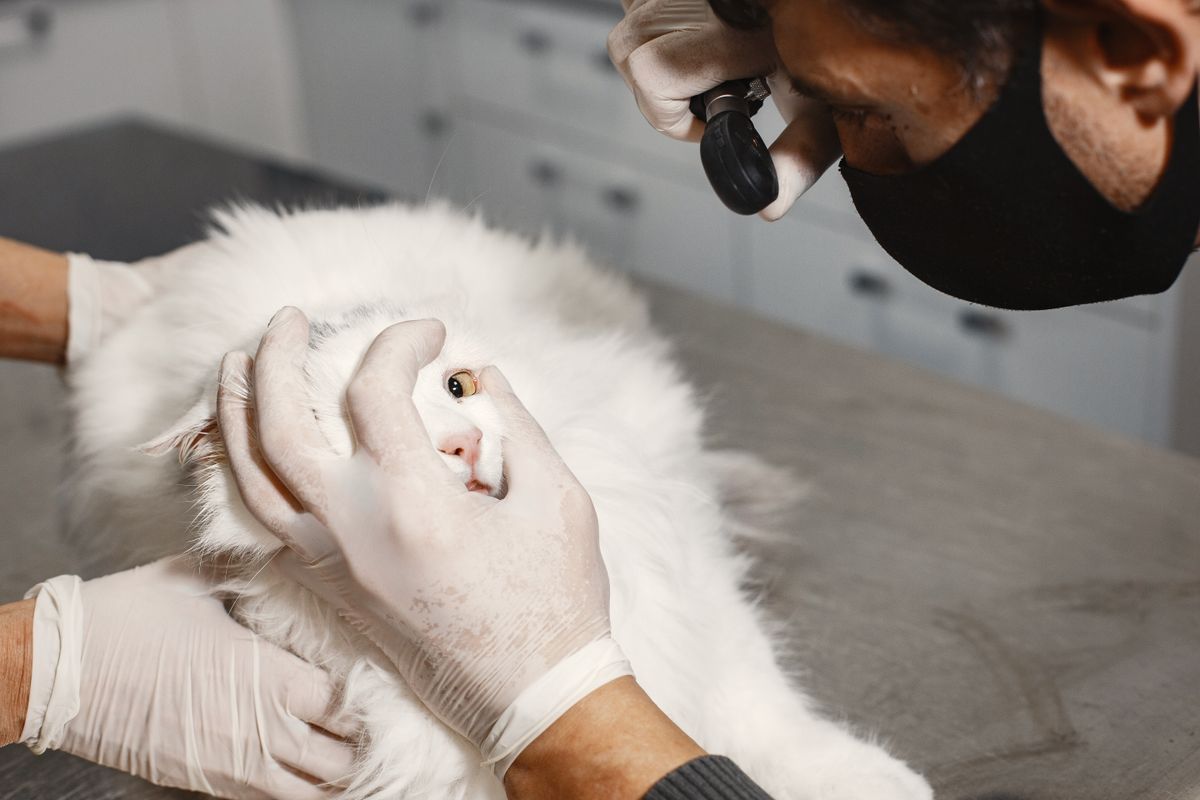
We examine the eyelids, tear ducts, conjunctiva and the surface of the eye, looking for foreign bodies, ulcers and inflammation.
A harmless dye can reveal corneal damage that is invisible to the naked eye, while a tonometer measures the pressure inside the eye to check for glaucoma.
Many conditions can be treated with drops, ointments or oral medication. We show you how to give eye medication safely, since technique makes a real difference.
Eyes can change quickly, so we often arrange a short follow-up to confirm the treatment is working rather than assuming it is.
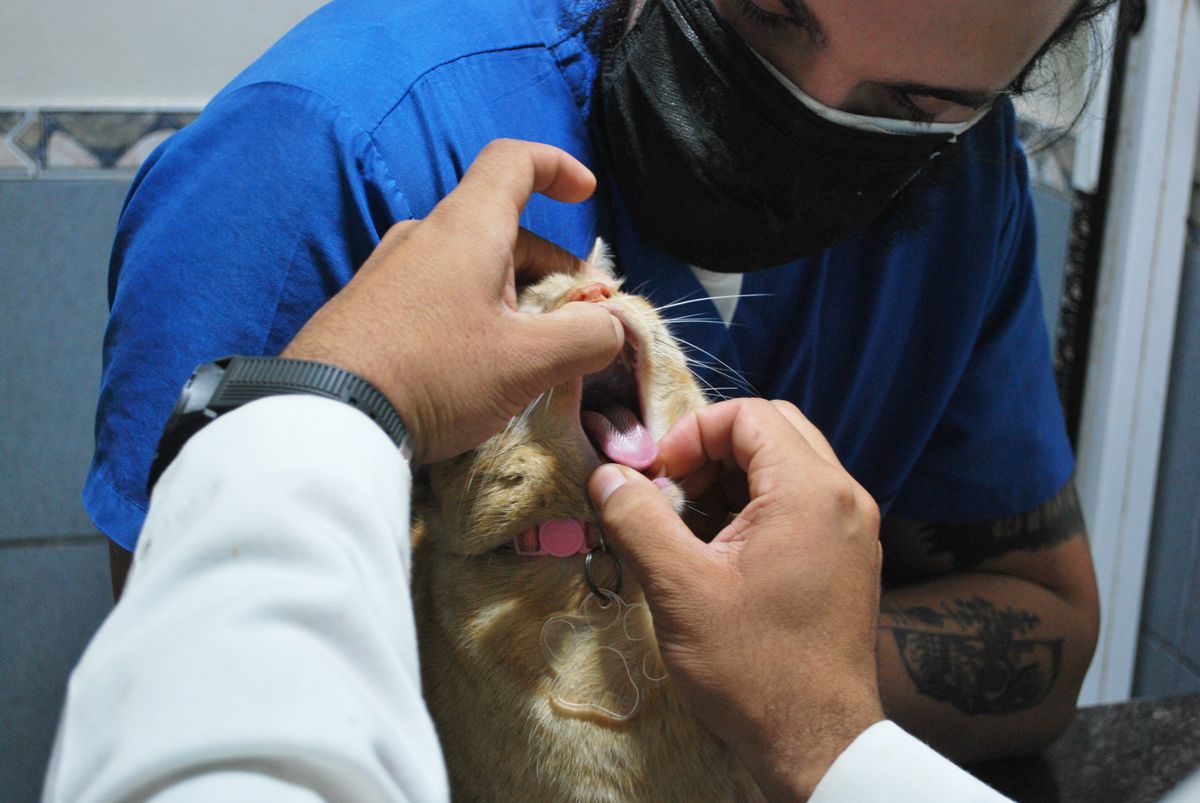
Most eye treatments need to be given exactly as prescribed and for the full course, even once the eye looks better. Stopping early is a common reason for a problem to rebound. We will tell you what to watch for and when to come back.
Some conditions — cataracts, certain ulcers, eyelid deformities, and glaucoma that does not respond to medication — need the care of a veterinary ophthalmologist. We will refer you honestly and promptly when specialist equipment or surgery offers your pet a better outcome than we can provide here.
Related care
A careful examination, a clear explanation and a treatment plan built around your pet — never a rushed guess.
Learn more
Vaccination, deworming, parasite control and wellness checks that keep pets healthy — not just treated when they are ill.
Learn more
Spaying, neutering and soft tissue procedures performed with careful anaesthesia, sterile technique and close monitoring.
Learn moreReady when you are
Book a consultation and we will assess your pet and explain the options clearly.