

Preventive Care
Vaccination: Why It Still Matters
How vaccines work, which diseases they prevent, and why timing and boosters matter throughout your pet’s life.
Read articlePreventive Care
A year is a large slice of a dog’s or cat’s life. A thorough annual check catches problems while they are still easy to manage.
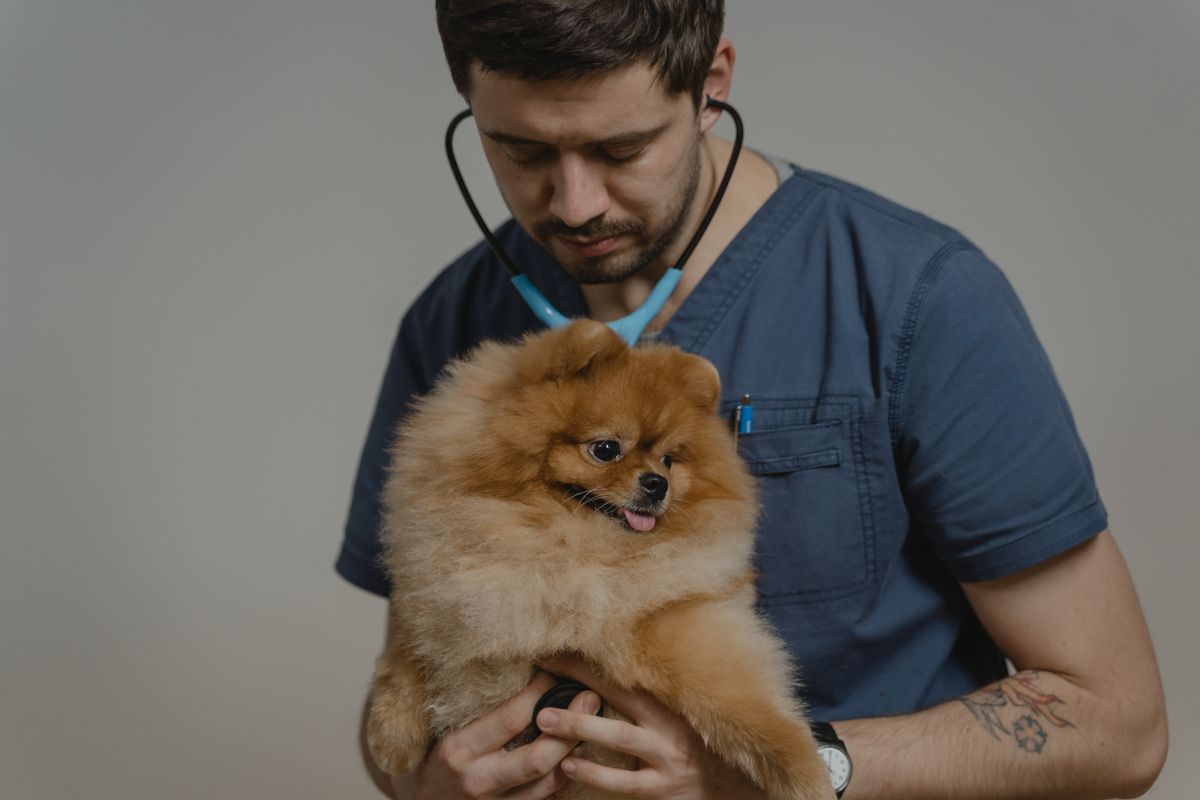
Dogs and cats age several times faster than we do, so twelve months is a substantial stretch of their lives. Changes that would take years to develop in a person can appear within a single year in a pet. An annual examination is our chance to notice those changes early, when they are often simpler, kinder and less expensive to manage.
Prevention is not only about vaccines and parasite products. It is also about measuring trends — weight creeping up, a murmur becoming audible, kidney values drifting — long before your pet feels unwell. Animals are remarkably good at masking discomfort, which is exactly why a scheduled examination matters.
We begin with you: what have you noticed at home, how is appetite and energy, any coughing, scratching, drinking more, or changes in behaviour? Your observations often point us towards the answer before we even lay a hand on your pet.
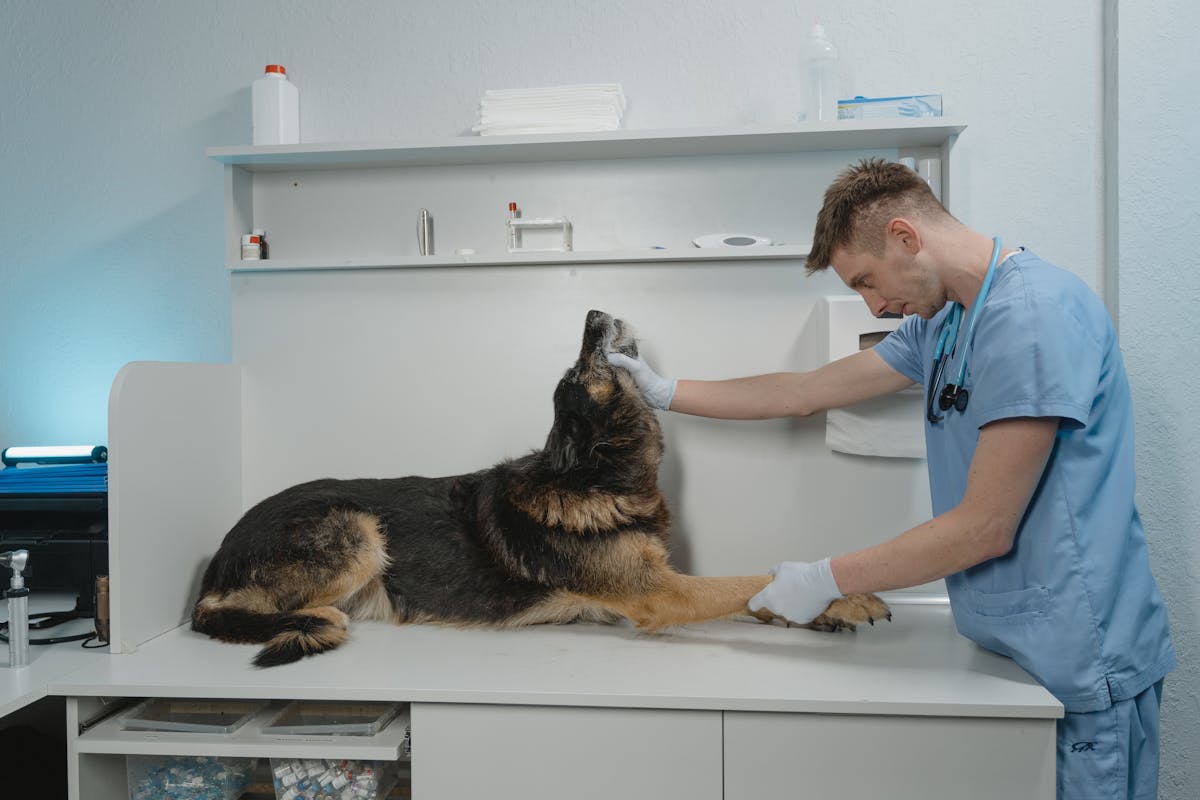
Then we examine from nose to tail. We assess the eyes, ears and mouth, check the teeth and gums, feel the lymph nodes and thyroid area, listen to the heart and lungs, palpate the abdomen, assess the skin and coat, and examine the joints and gait. We finish with body condition and weight, which tell us as much about long-term health as almost any single measurement.
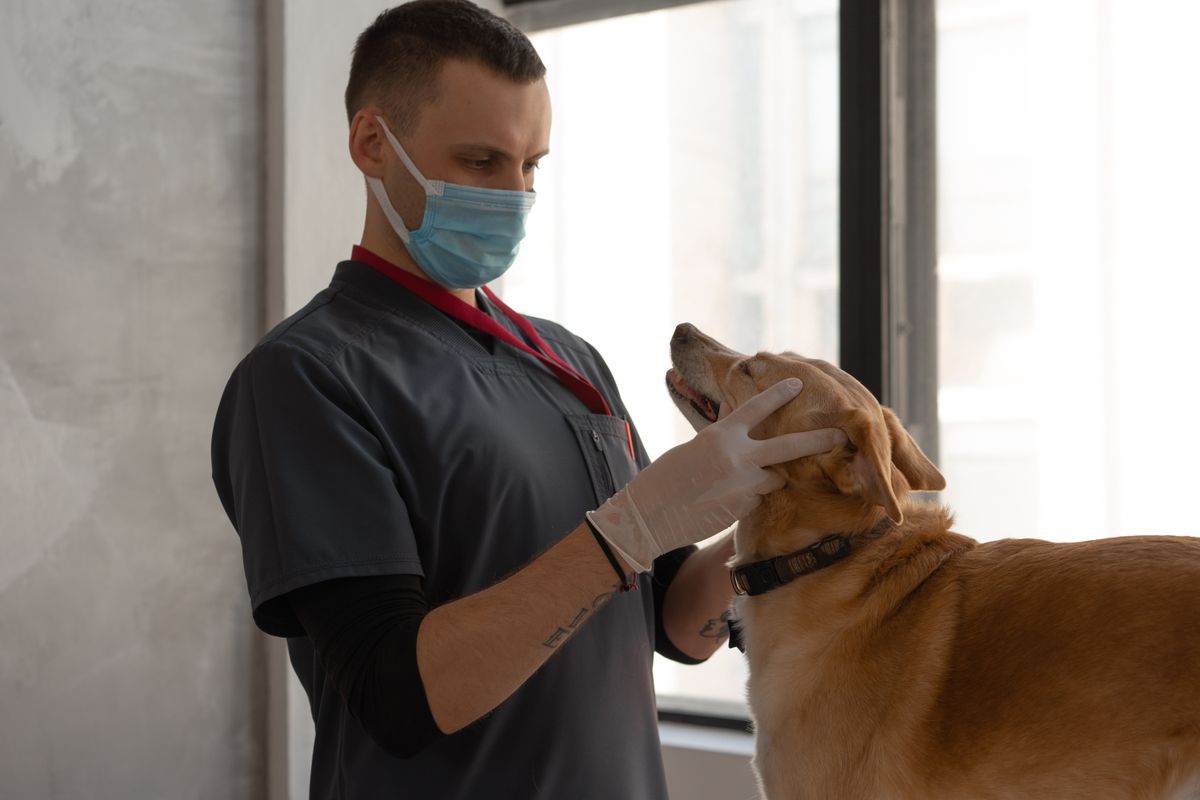
We ask about home life, appetite, activity, toilet habits and any concerns you have.
A gentle, systematic check of the whole body, from eyes and mouth to joints and skin.
We record weight and body condition and compare them with your pet’s previous numbers.
Vaccinations, deworming and parasite control are updated and any due doses given.
Blood, urine or other tests where age, breed or findings make them worthwhile.
We explain what we found, what it means and what — if anything — comes next, with costs discussed up front.
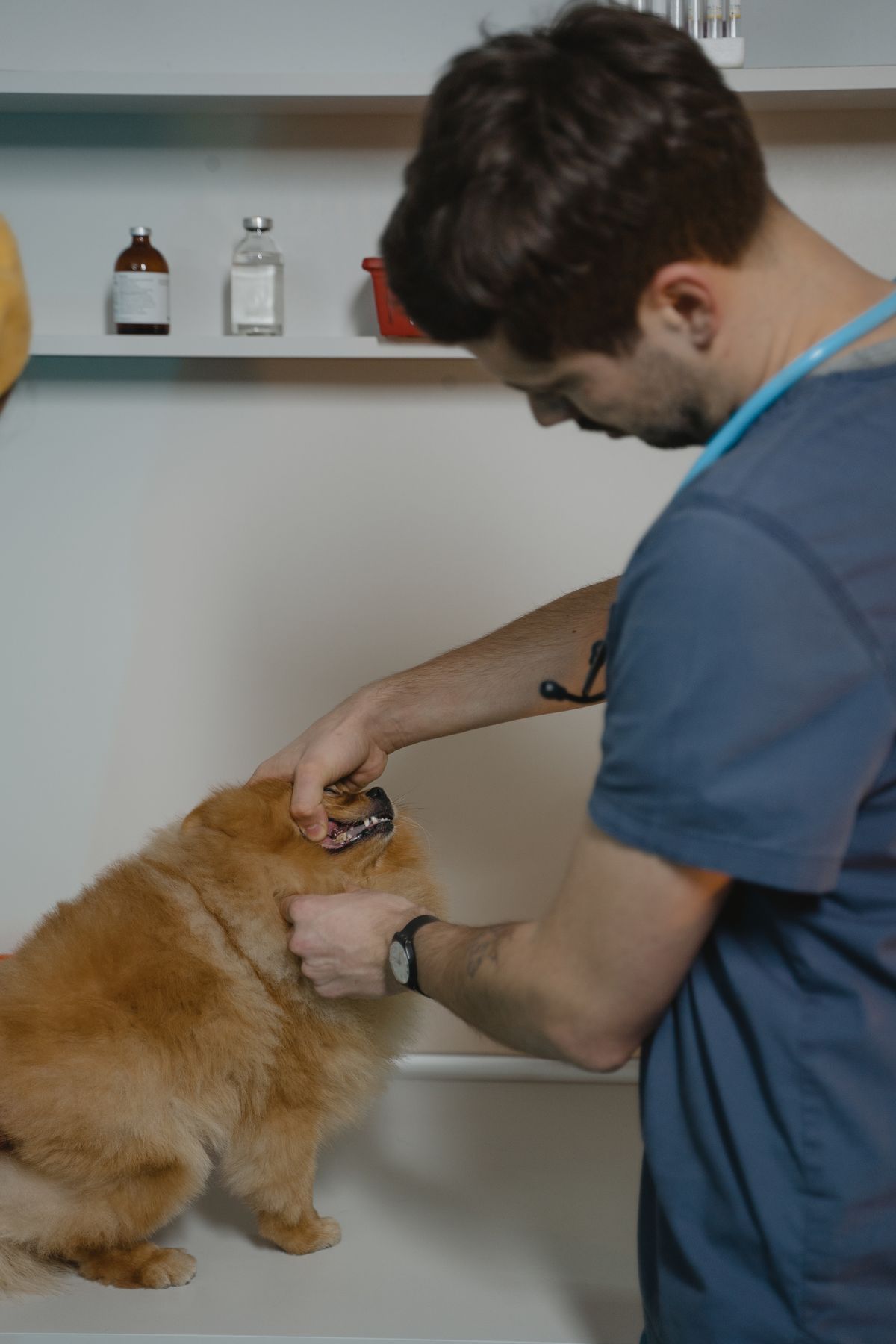
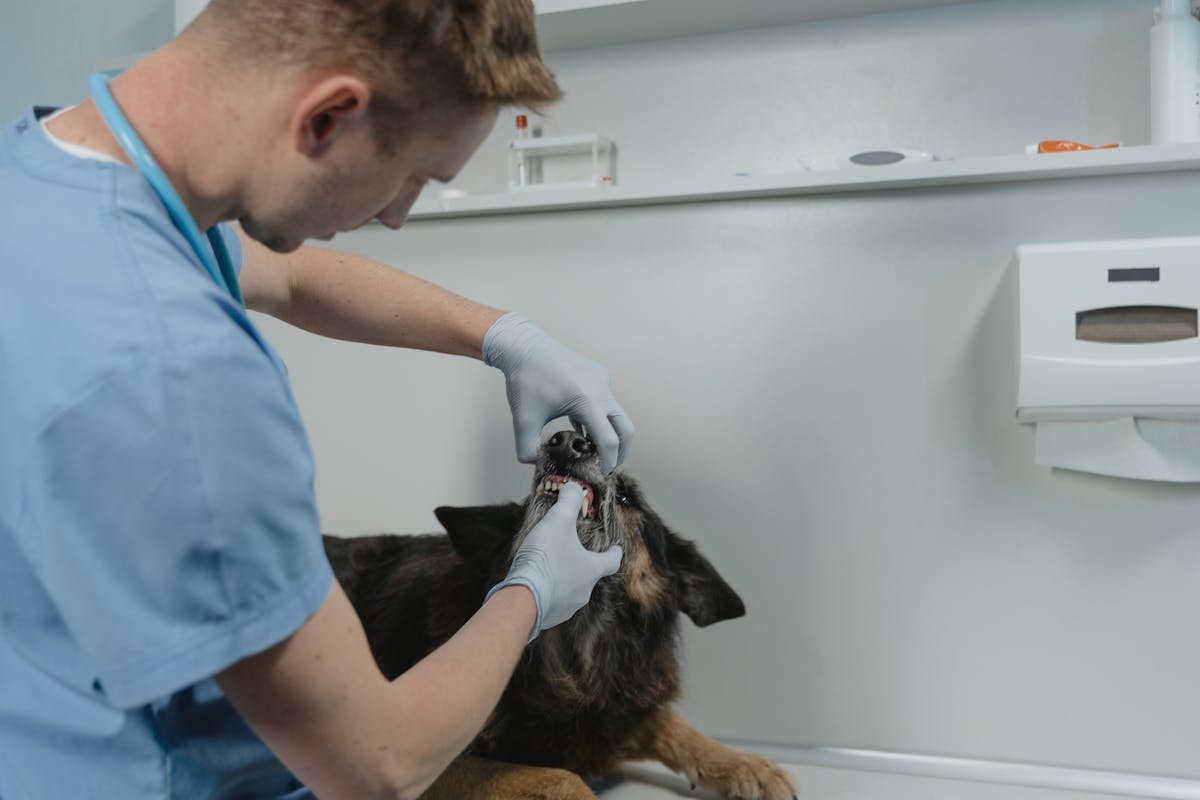
Many of the conditions we manage best are found on examination rather than because an owner reports illness. Dental disease is a prime example: by the time a pet shows obvious pain, the problem is often advanced. Early detection may allow a scale and polish rather than multiple extractions.
Other examples include heart murmurs, early kidney disease, arthritis, ear infections, skin problems, weight gain and small lumps. Some of these are monitored; others are treated. In each case, catching them at an annual visit usually means more options, less suffering and lower cost than treating a crisis.
At Mecco an annual examination is unhurried. We want you to leave understanding your pet’s health, not just carrying a bill. We record everything so each visit builds on the last, and we can remind you when the next one is due. If tests are recommended, we explain why and what they cost before proceeding.
Book an annual visit once a year for healthy adult pets, every six months for seniors or pets with ongoing conditions, and at any time a change worries you — you do not need to wait for the calendar. Bringing your pet’s records, a list of medications and your questions helps the visit work harder for you.

Keep reading
How vaccines work, which diseases they prevent, and why timing and boosters matter throughout your pet’s life.
Read article
Intestinal worms are common, often invisible and sometimes contagious to people. Regular deworming protects your pet and your household.
Read article
In our coastal climate, parasites do not take a season off. Consistent, correctly chosen prevention is the key.
Read articleMecco Veterinary Clinic
Book an appointment or reach us in an emergency — we are here to help.