

Preventive Care
Vaccination: Why It Still Matters
How vaccines work, which diseases they prevent, and why timing and boosters matter throughout your pet’s life.
Read articlePreventive Care
In our coastal climate, parasites do not take a season off. Consistent, correctly chosen prevention is the key.

Dar es Salaam is warm and humid for most of the year, which is close to ideal for fleas and ticks. Unlike temperate regions, where a hard winter interrupts the life cycle, here parasites can remain active almost continuously. That means prevention cannot take a season off either.
The risk is not evenly spread. Dogs that walk in long grass, visit the beach or mix with other animals meet more parasites than a cat living quietly indoors — but even indoor animals are not entirely safe, because eggs and fleas travel in on shoes, clothing and other pets.

Most parasite products work by killing the parasite after it arrives, or by making the treated pet’s blood or skin hostile to it. Some are applied to the skin, some are given by mouth, and some are collars or long-acting injections. The right choice depends on the parasite, your pet’s weight and age, whether they swim, and any health conditions.
Understanding the life cycle explains why consistency matters. A flea lays eggs that fall into bedding and cracks in the floor; those eggs become larvae, then pupae, then new adults. Treating the pet kills adult fleas but not the eggs and pupae already in the environment, so the next generation can emerge days or weeks later. Only repeated, on-time treatment breaks that cycle.
We look at your pet’s age, lifestyle, outdoor access and the local parasite picture.
We select licensed products with proven activity, matched to your pet and the parasites that matter here.
Flea and tick products are usually monthly or as directed; deworming follows its own rhythm. We write the dates down.
Treating one animal while others go untreated lets parasites circulate through the household.
Wash bedding on a hot cycle, vacuum regularly and keep outdoor areas clear of faeces.
Lifestyle and risk change over time, so we revisit the plan at your annual examination.
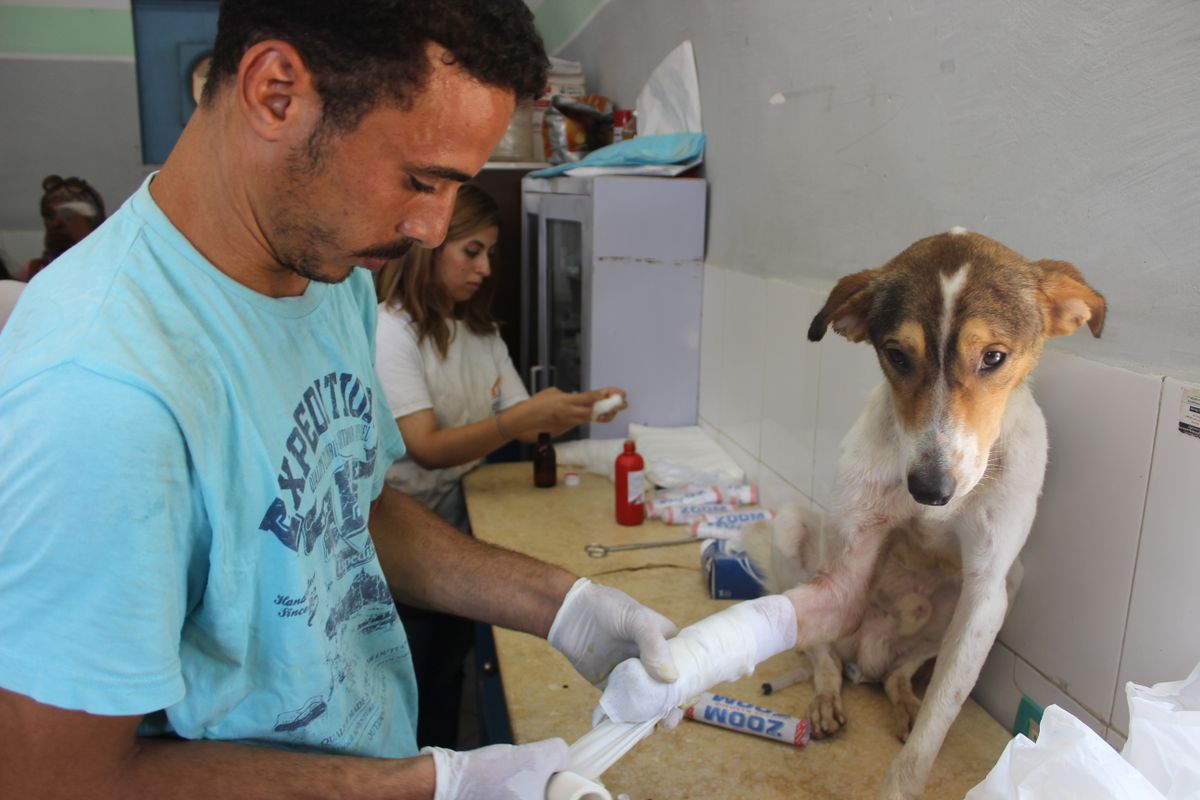
Parasite control is partly about the pet and partly about the home. Flea eggs and larvae collect in bedding, carpets, sofa seams and shaded outdoor spots. Washing your pet’s bedding regularly, vacuuming thoroughly and discarding the vacuum contents will reduce the reservoir of immature stages that treatment alone cannot reach.
Pick up faeces promptly, keep the garden or yard tidy, and be mindful of shared spaces where other animals pass through. If you have several pets, treating them together on the same schedule keeps everyone protected and makes the routine easier to remember.
At Mecco we do not sell parasite products indiscriminately. We examine your pet, weigh them and discuss their lifestyle, then recommend a plan that genuinely fits — including how to give it and what to do if a dose is missed. If you are unsure which product you already have, bring it in and we will check that it is suitable and correctly dosed.
Book a visit to start prevention for a new puppy or kitten, to review products that are not working, or if you are moving, travelling or adding a pet to the household. If your pet is scratching, losing hair, looking pale or lethargic, or if you have seen ticks or worms, come in rather than treating blindly — we can identify the problem and treat it properly.


Keep reading
How vaccines work, which diseases they prevent, and why timing and boosters matter throughout your pet’s life.
Read article
Intestinal worms are common, often invisible and sometimes contagious to people. Regular deworming protects your pet and your household.
Read articleA year is a large slice of a dog’s or cat’s life. A thorough annual check catches problems while they are still easy to manage.
Read articleMecco Veterinary Clinic
Book an appointment or reach us in an emergency — we are here to help.