

Preventive Care
Deworming: A Simple Habit with Big Benefits
Intestinal worms are common, often invisible and sometimes contagious to people. Regular deworming protects your pet and your household.
Read articlePreventive Care
How vaccines work, which diseases they prevent, and why timing and boosters matter throughout your pet’s life.

A vaccine introduces the immune system to a harmless version of a disease — a weakened or killed organism, or a small piece of it. The body responds as though it had met the real infection: white blood cells recognise the invader, produce antibodies, and keep memory cells that remember it.
If your pet later meets the real disease, those memory cells mount a fast, strong defence before the organism can do serious harm. This is why a vaccinated animal may shake off an infection that would make an unvaccinated one very ill. Vaccination does not build a sterile bubble around your pet; it trains the body to win the fight.
Veterinarians divide vaccines into core and non-core. Core vaccines protect against diseases that are severe, widespread or a public-health risk, so they are recommended for essentially every dog and cat. Non-core vaccines are chosen according to lifestyle, geography and individual risk — a cat living with others, a dog meeting many animals, or a pet in an area where a particular disease is common.
In Dar es Salaam we weigh the local picture carefully. Distemper, parvovirus, hepatitis and rabies remain central for dogs; for cats, panleukopenia, the respiratory viruses that cause cat flu, and rabies are core. Leptospirosis and feline leukaemia virus are decided case by case. We explain exactly which vaccines your pet needs and why, rather than following a fixed template.
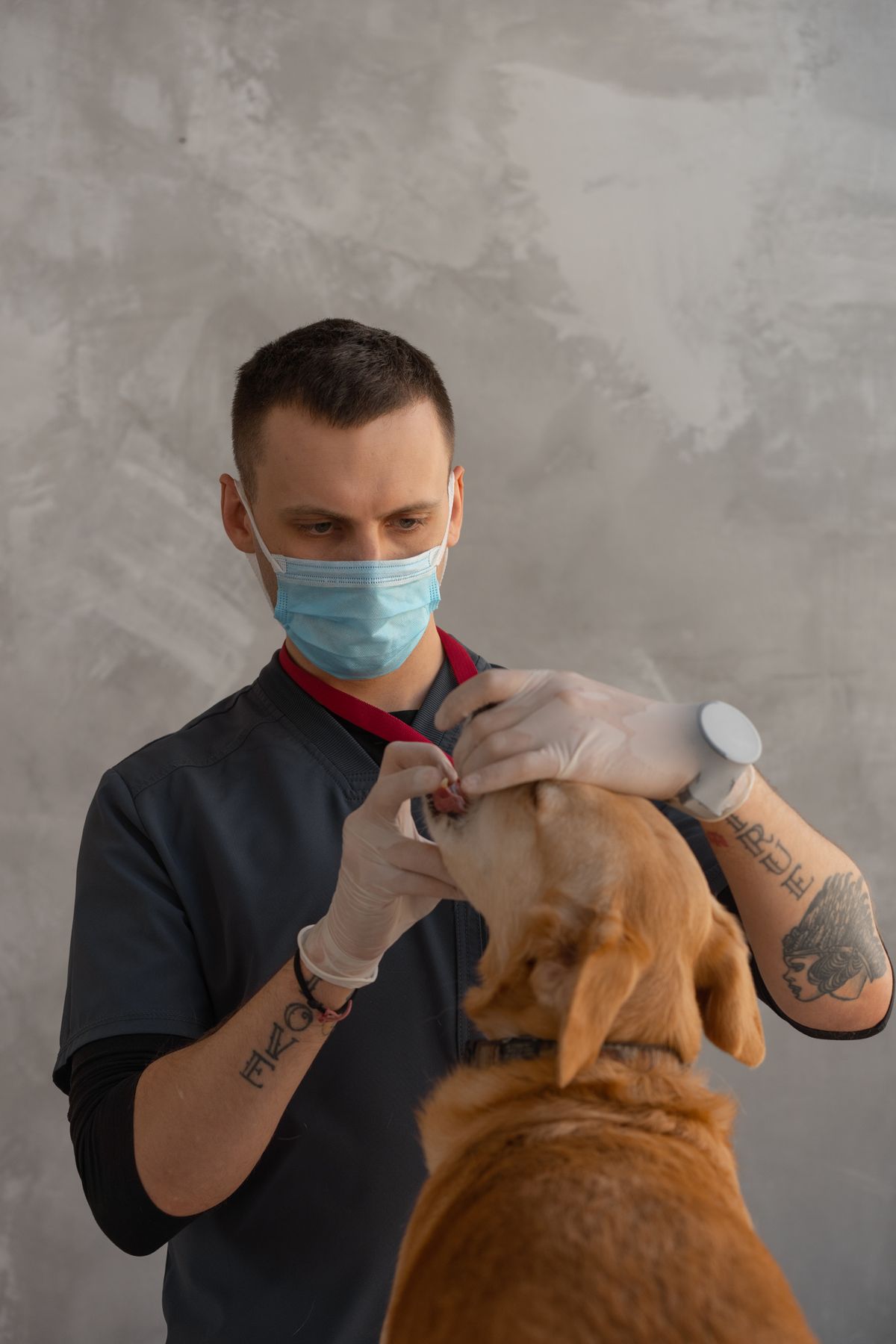
Most puppies start their course from around six to eight weeks of age and finish at roughly sixteen weeks, with rabies usually given later in that window. Kittens follow a similar rhythm, starting around eight to nine weeks. These are general guides; the exact schedule depends on your pet’s age, history and what protection the mother passed on.
Because maternal antibodies fade at different speeds in different puppies and kittens, the series is designed to cover that period of uncertainty. Finishing the course — not merely starting it — is what builds dependable immunity. We record every dose and the date the next is due, so nothing is left to memory.
History, a health check, the first vaccine and a written record. We also discuss worms, fleas and nutrition.
A quick examination to confirm your pet is well, then the next dose. We check growth, teeth, eyes and development.
The last of the series, plus rabies where appropriate and a conversation about socialisation and neutering.
Usually annual, though some components need less frequent dosing. We tailor this to your pet.
We store your pet’s vaccination history and can remind you before a dose is due.
Vaccines are among the most thoroughly tested tools in veterinary medicine, and serious reactions are uncommon. Mild, short-lived effects are far more typical: slight soreness at the injection site, a day of tiredness, or a small bump that settles. These are signs the immune system is responding, not a cause for alarm.
If your pet seems unwell after a vaccine, or you notice facial swelling, vomiting, difficulty breathing or collapse, contact us at once — these rare reactions are treatable when seen quickly. We are always glad to talk through any concern, including the schedule that best suits your animal. Please tell us about previous reactions before we vaccinate.
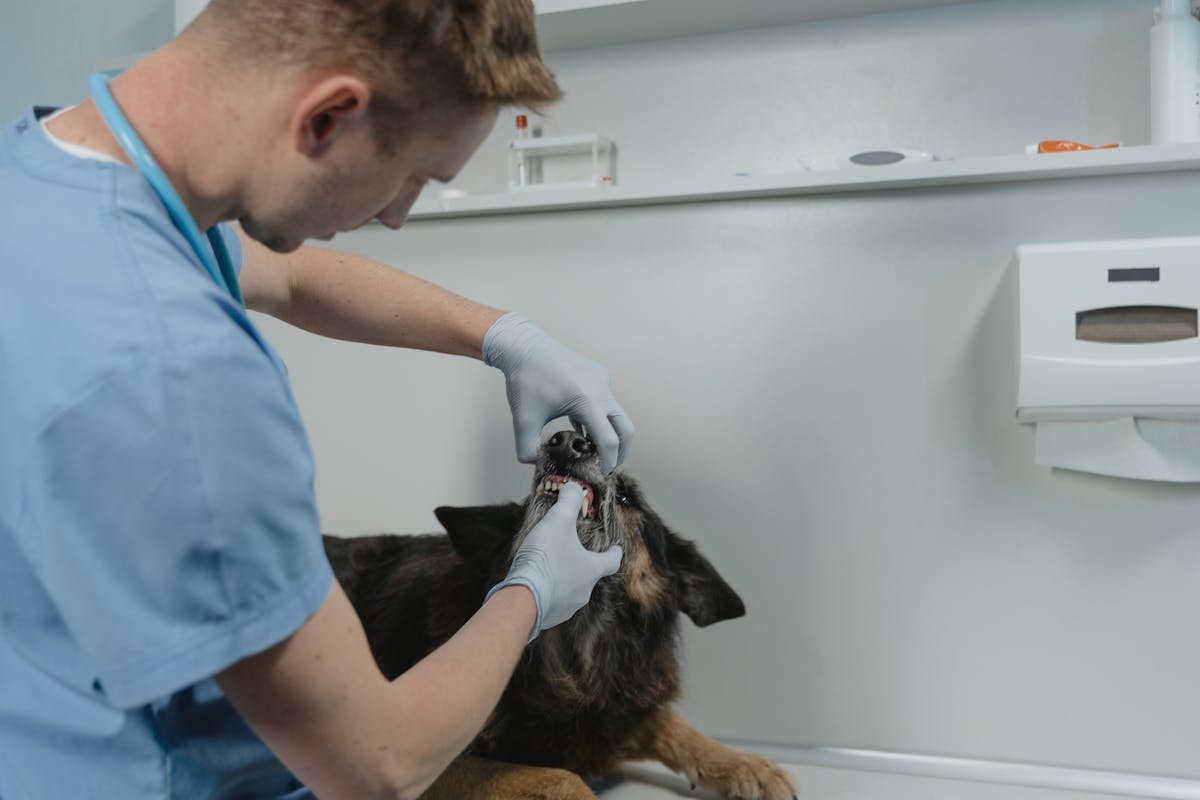
At Mecco a vaccination visit is never just an injection. We examine your pet, weigh them, check their mouth and coat, answer your questions and make sure preventive care is genuinely on track. You leave with a written record and a clear date for the next step.
Book when your puppy or kitten reaches their starting age, when an adult booster is due, or if you have adopted an animal whose vaccination history is unknown — we can begin a safe course from wherever they are. If you have lost the record, bring your pet in and we will help reconstruct the schedule.
Keep reading
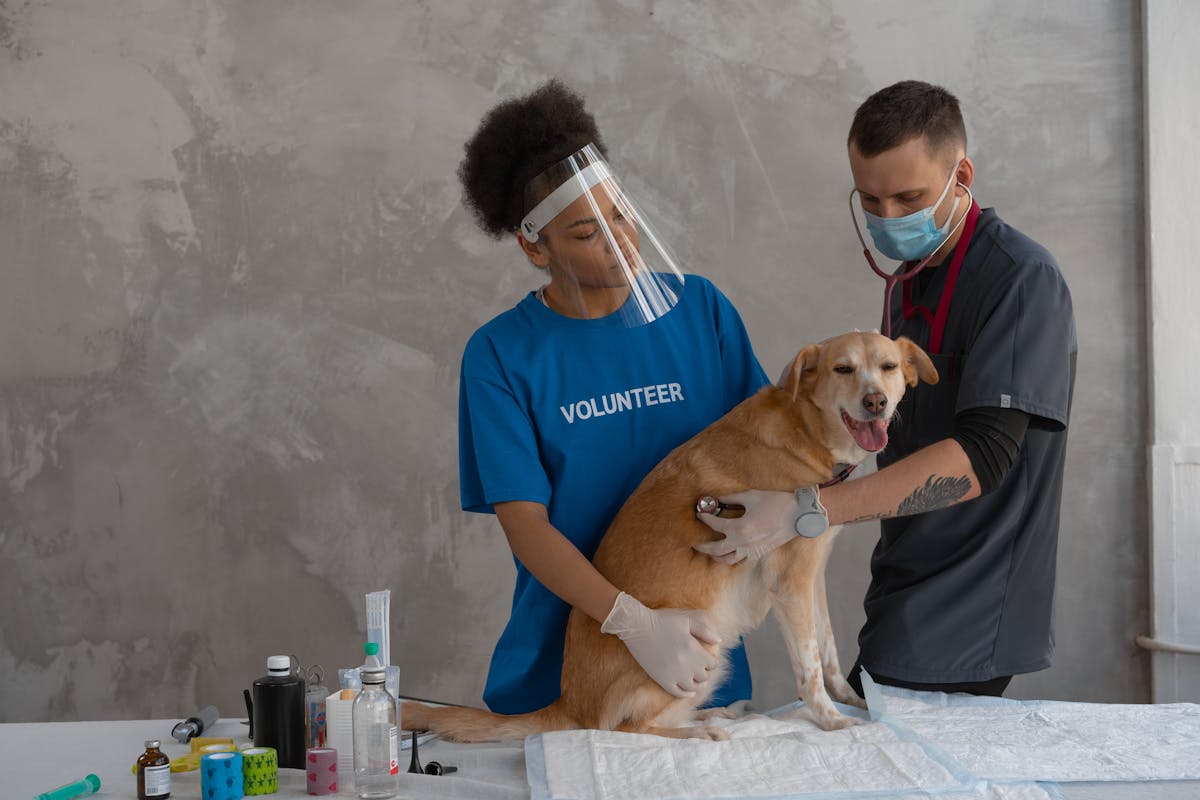
Intestinal worms are common, often invisible and sometimes contagious to people. Regular deworming protects your pet and your household.
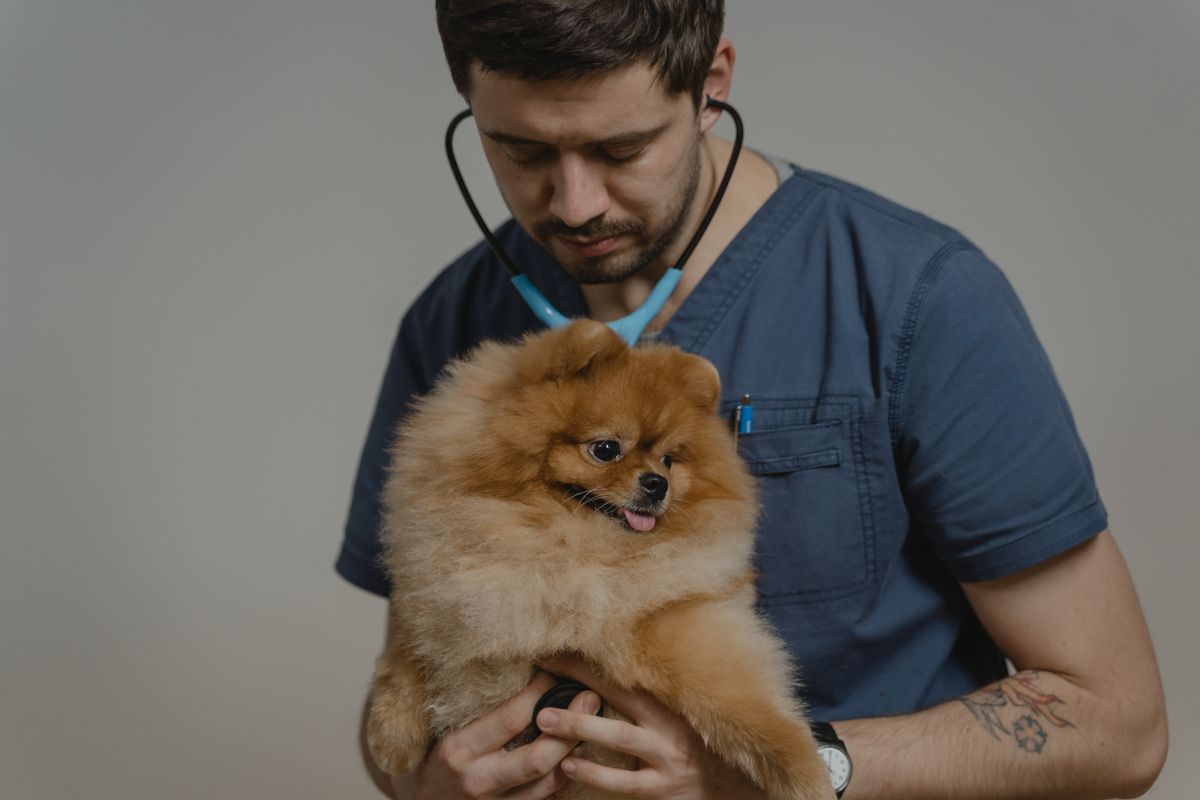
Read articleA year is a large slice of a dog’s or cat’s life. A thorough annual check catches problems while they are still easy to manage.
Read article
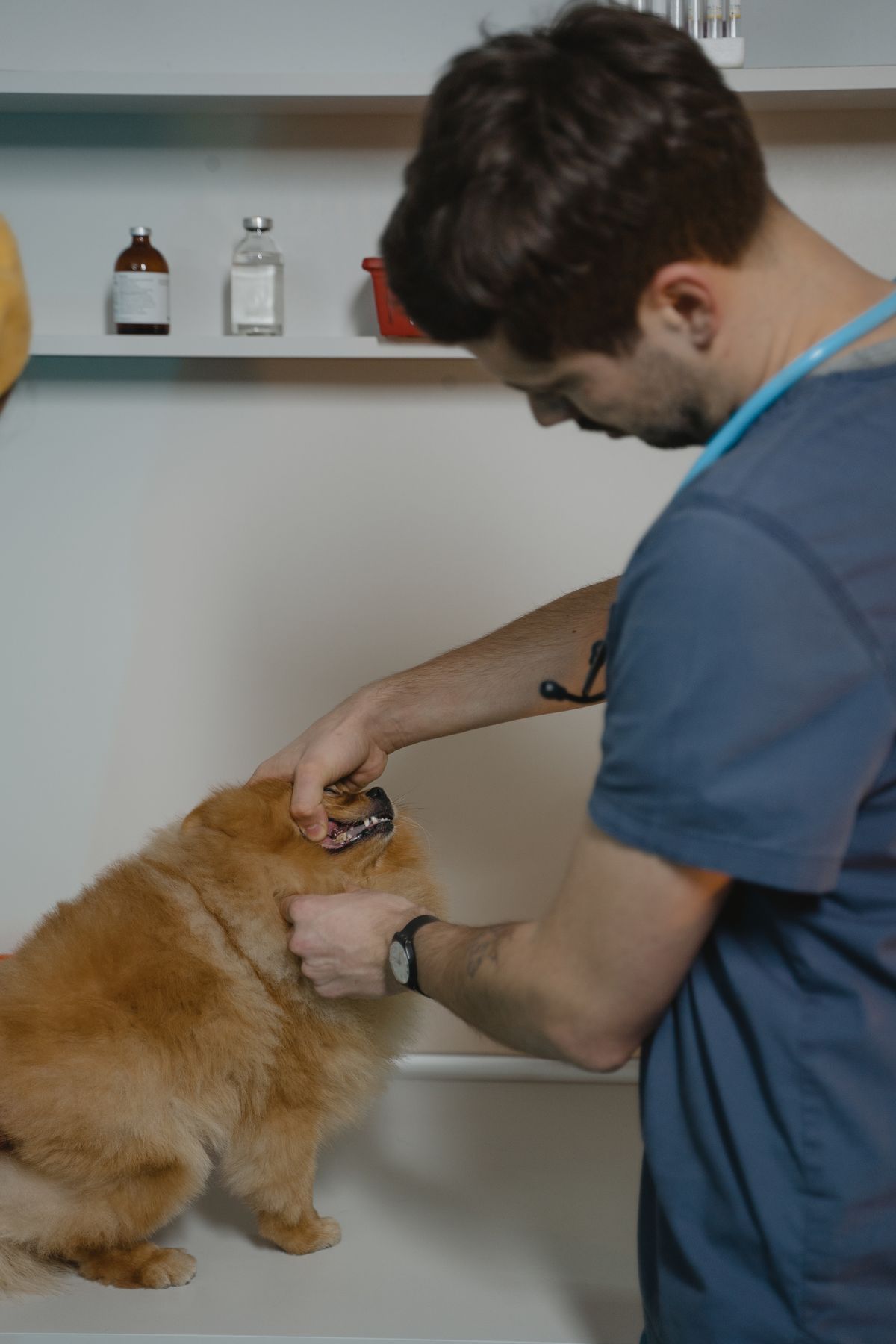
In our coastal climate, parasites do not take a season off. Consistent, correctly chosen prevention is the key.
Read articleMecco Veterinary Clinic
Book an appointment or reach us in an emergency — we are here to help.