

Pet Travel
Microchipping: Permanent Identification for Travel
A microchip is the anchor of every travel document. Here is how it is placed, registered and kept valid — and why the details on file must match.
Read articlePet Travel
A health certificate is a snapshot of your pet’s health on a particular date. Timing is everything.
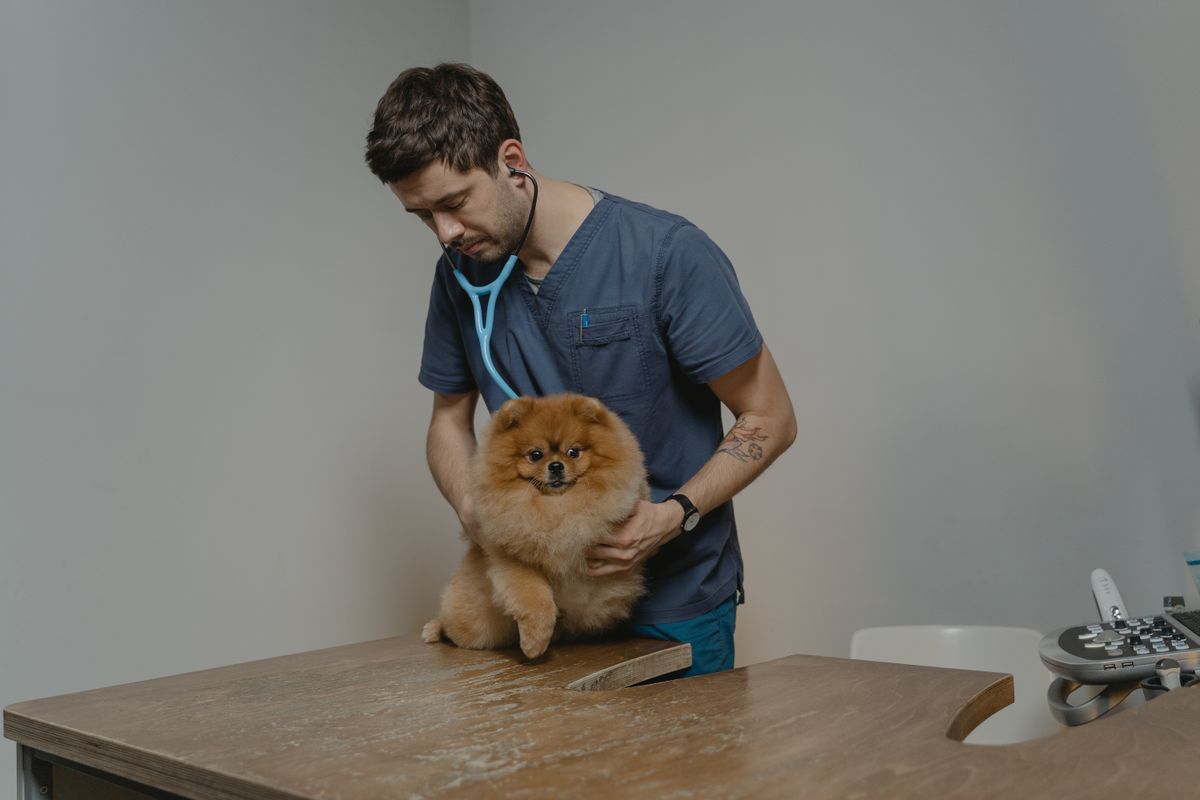
A health certificate is a written veterinary declaration that your pet was examined on a given date and found clinically healthy and fit to travel. It is not a lifetime document, and it is not a substitute for vaccination records; it is a dated statement about the animal in front of the veterinarian. Airlines, border authorities or both may ask for it.
Because it describes a moment in time, a certificate issued too early can expire before departure, and one issued without a proper examination is worthless. The examination and the paperwork must belong to the same visit.
Health certificates typically remain valid for only a short period before travel — often measured in days, sometimes requiring issue very close to departure. The exact window is set by the airline or the destination authority, not by us. If you travel after the certificate has expired it will not be accepted, even though nothing about your pet has changed.
This is the single most common timing trap. Owners arrange a certificate during a routine visit weeks early, then discover it had to be issued within a few days of travel. We would rather plan the examination at the correct moment from the outset.
An airline’s requirements and a destination’s import requirements are not the same thing. An airline may ask for a fitness-to-fly statement or an acclimatisation declaration; a border authority may ask for import permits, vaccination proof or a titre test result. Meeting one does not automatically satisfy the other.
Some carriers also have their own rules about snub-nosed breeds, crates, sedation and the age of the animal. These are commercial and regulatory decisions outside veterinary certification. Always read the carrier’s and the authority’s requirements separately, and treat our certificate as one part of a larger set.
Tell us when you are flying so we can schedule the examination within the required window.
We confirm rabies and other vaccinations are valid and correctly recorded.
The chip number is read directly and matched to the certificate and other documents.
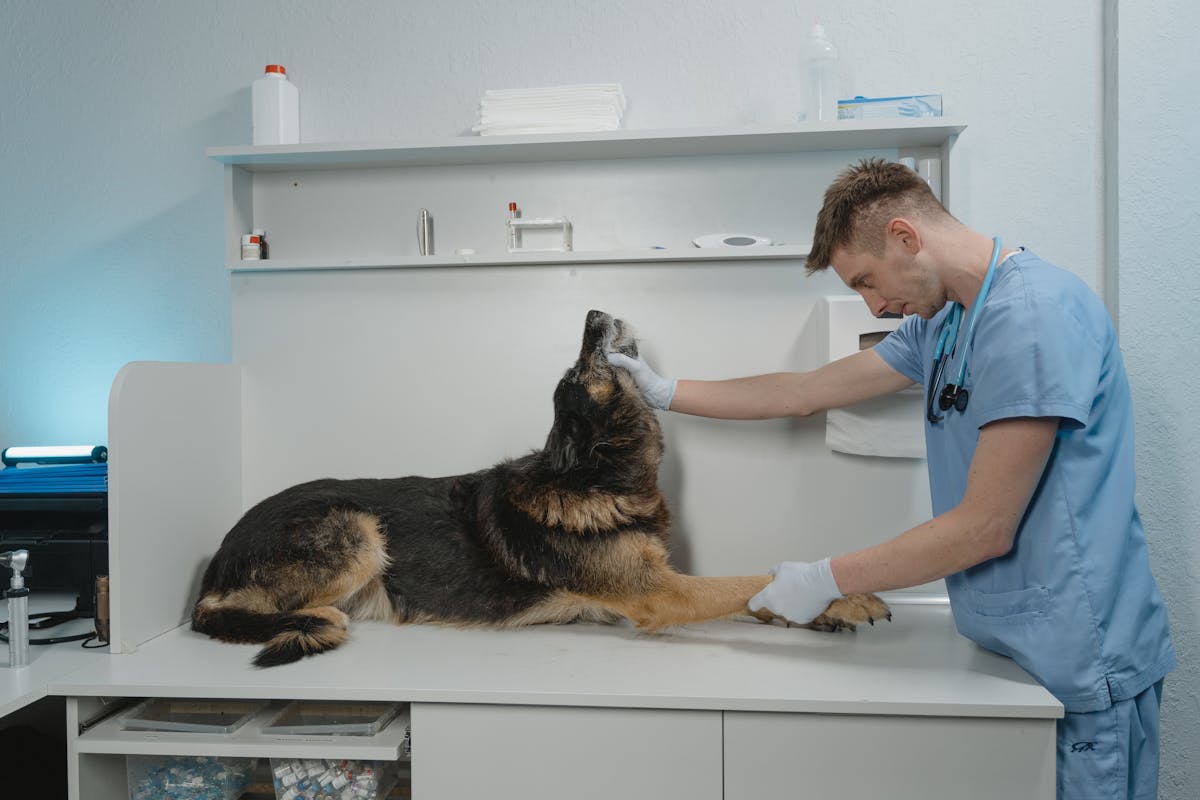
A clinical examination checks that your pet is well enough to travel on that date.
We complete, date and sign the certificate, ensuring the details match every other document.
Confirm with your airline and destination that the certificate meets their requirements.
Health certificates cannot be rushed at the last minute. Give us your travel date as early as you can, keep all previous records together, and leave room for an examination close to departure. If something in the history needs correcting, it is far easier to fix with time to spare.
Mecco provides veterinary documentation and certification only, and is not a travel agency or a pet-shipping service. Destination and airline rules are set by those authorities and can change. Confirm the precise certificate validity window and format with them before you travel.
Keep reading
A microchip is the anchor of every travel document. Here is how it is placed, registered and kept valid — and why the details on file must match.
Read article
Travel vaccination is as much about calendars as it is about injections. Here is how the timing windows usually work.
Read articleExporting a pet is a paperwork exercise as much as a veterinary one. Here is how the documents fit together.
Read articleMecco Veterinary Clinic
Book an appointment or reach us in an emergency — we are here to help.