

Pet Travel
Microchipping: Permanent Identification for Travel
A microchip is the anchor of every travel document. Here is how it is placed, registered and kept valid — and why the details on file must match.
Read articlePet Travel
Travel vaccination is as much about calendars as it is about injections. Here is how the timing windows usually work.

When owners ask about travel vaccination, the first useful question is not which vaccine but when you are leaving. Many requirements are defined as a minimum interval — a certain number of days or months — that must pass after a vaccination before a pet is considered valid for entry. If you vaccinate too late, the interval cannot be met; if a booster has lapsed, the clock may restart.
That is why we ask for your intended travel date at the first conversation. Working backwards from that date is far more reliable than trying to fix timing at the last minute.
The exact set depends on where you are going, but most travel plans begin with these elements.
Rabies vaccination is the vaccine that most often determines whether a trip is possible. Many destinations require that it was given a minimum number of days or months before arrival, and some require it to have been given after a readable microchip was implanted. A valid in-date booster history is often treated differently from a first-ever vaccination.
Because the rules vary, we do not guess. We record the exact date each vaccine was given, note the microchip number, and provide a certificate you can present to the authority that sets the rule.

Some destinations ask for a rabies antibody titre test — a blood test that measures whether vaccination has produced an adequate level of antibodies. Where a test is required, it is usually taken a set period after vaccination, and a further waiting period may apply after a satisfactory result. If the result falls below the threshold, revaccination and retesting are needed.
We can collect and prepare the sample and arrange for it to be processed by a suitable laboratory. Turnaround times vary, so titre testing is one of the strongest reasons to begin planning months rather than weeks ahead. We will not predict a result — the laboratory measures it.
Where required, ensure the chip is implanted and registered before rabies vaccination is given.
We check what is current, what has lapsed and what the destination is likely to require.
Vaccines are given within the window allowed by the destination, respecting minimum intervals.
The required number of days or months after vaccination must elapse before travel.
Where a test is required, we collect the sample, send it to a laboratory and await the result.
Once vaccination status is complete, we provide a written certificate with the dates and chip number.

Vaccination for travel rewards preparation. The pet that is vaccinated and documented well in advance has options; the pet vaccinated days before departure often does not. As soon as travel is a possibility, bring us your pet’s records and your intended date.
Mecco provides veterinary documentation and certification only. We are not a travel agency or a pet-shipping service, and destination rules are set by authorities and can change. Please confirm the exact vaccination and testing requirements for your destination before booking anything.

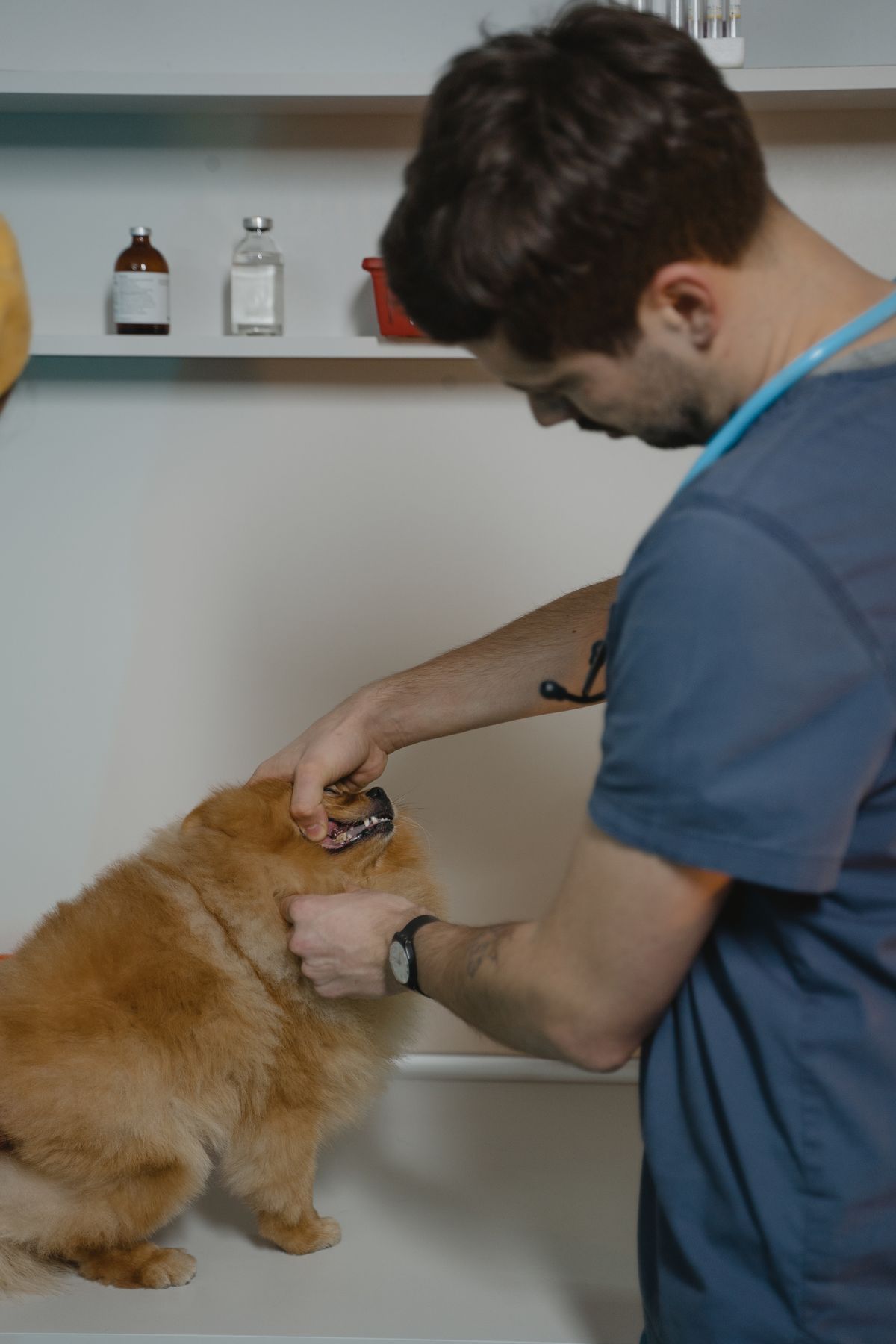
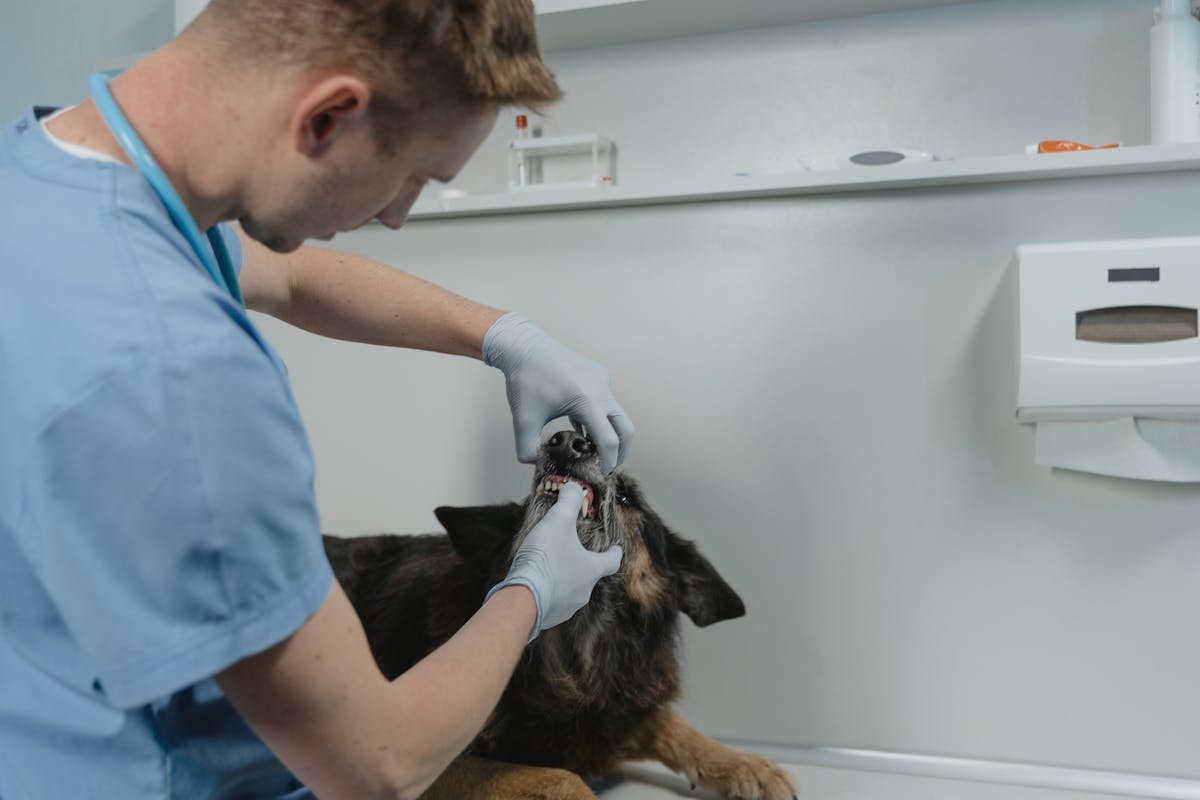
Keep reading
A microchip is the anchor of every travel document. Here is how it is placed, registered and kept valid — and why the details on file must match.
Read articleA health certificate is a snapshot of your pet’s health on a particular date. Timing is everything.
Read articleExporting a pet is a paperwork exercise as much as a veterinary one. Here is how the documents fit together.
Read articleMecco Veterinary Clinic
Book an appointment or reach us in an emergency — we are here to help.