

Pet Travel
Vaccination for Travel: Timing, Records and Rabies
Travel vaccination is as much about calendars as it is about injections. Here is how the timing windows usually work.
Read articlePet Travel
A microchip is the anchor of every travel document. Here is how it is placed, registered and kept valid — and why the details on file must match.

A microchip is a tiny, sterile transponder, roughly the size of a grain of rice, sealed inside a biocompatible capsule. It carries no battery and no moving parts; when a scanner is passed over it, it transmits a unique number. The chip is implanted under the loose skin between the shoulder blades using a needle, much like a routine injection. Most pets accept it with only a brief flinch, and no anaesthetic is needed.
Each chip arrives pre-loaded with its own number in sterile packaging. We scan your pet first to confirm no chip is already present, then implant, then scan again to verify the number reads correctly. The number is written straight into the clinical record so it cannot drift or be confused later.
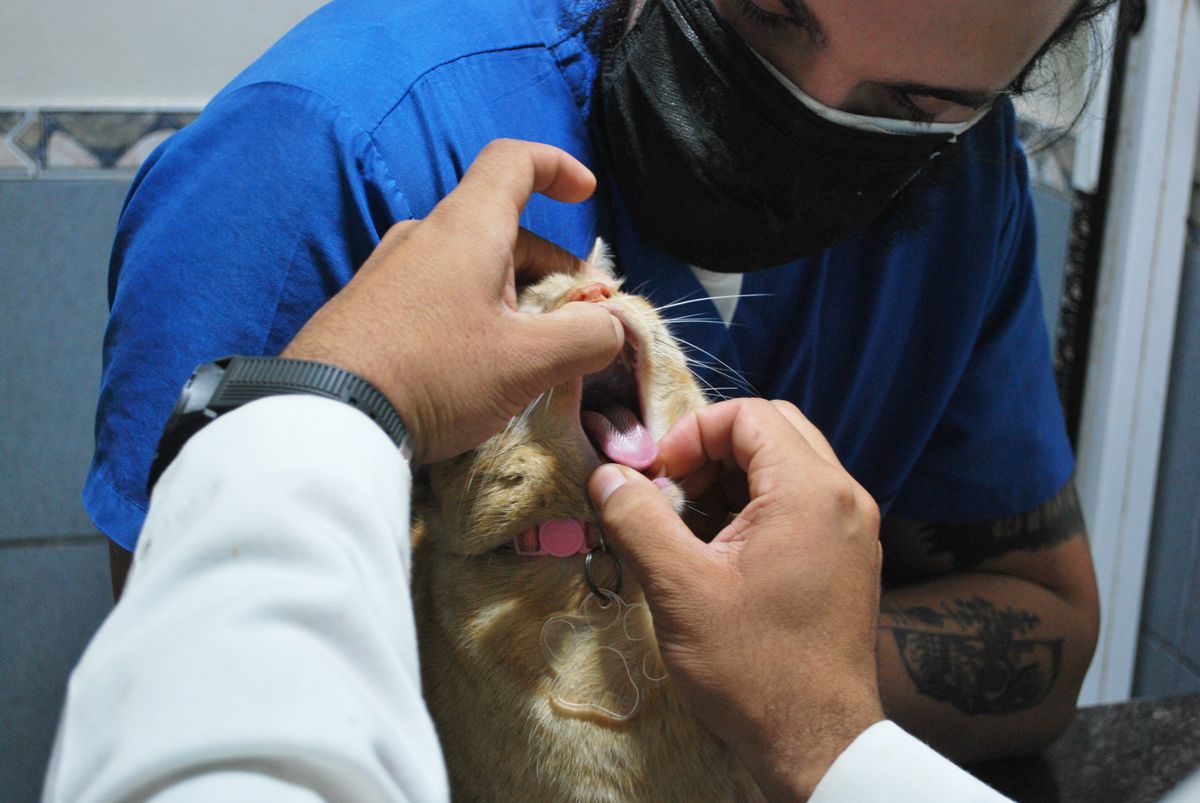
For any journey that crosses a border, the microchip is usually the thread that ties every other document together.
Implanting the chip is only half of the job. The number must be registered in a database along with your name, phone number and address. Registration is what turns a silent number into a way of reaching you. If a chip is never registered, a found pet can be scanned and still lead nowhere.
Keep your contact details current. If you change your phone number, move house or rehome your pet, update the registration. A chip with stale details is almost as unhelpful as no chip at all.
Travel authorities compare documents against one another. The microchip number on the vaccination certificate, the health certificate and any laboratory report must all be the same, and must be the number actually read from the pet on the day. A single mistyped digit, or a certificate that records a pet’s name but not its chip number, can stop a journey at the border.
This is why we scan the chip at each travel-related visit and transcribe the number directly from the scanner. Bring any previous paperwork with you so we can check it against our records.
We scan your pet first. If a chip is already present, we read and record that number rather than implanting a second one.
The chip is placed between the shoulder blades and scanned again to confirm it reads correctly.
We help you register your details, or update existing ones, so the chip links to a current owner.
We record the chip number in your pet’s file and on any certificates issued later.
Some destinations require the chip to be in place before rabies vaccination, so arrange this well before your travel date.
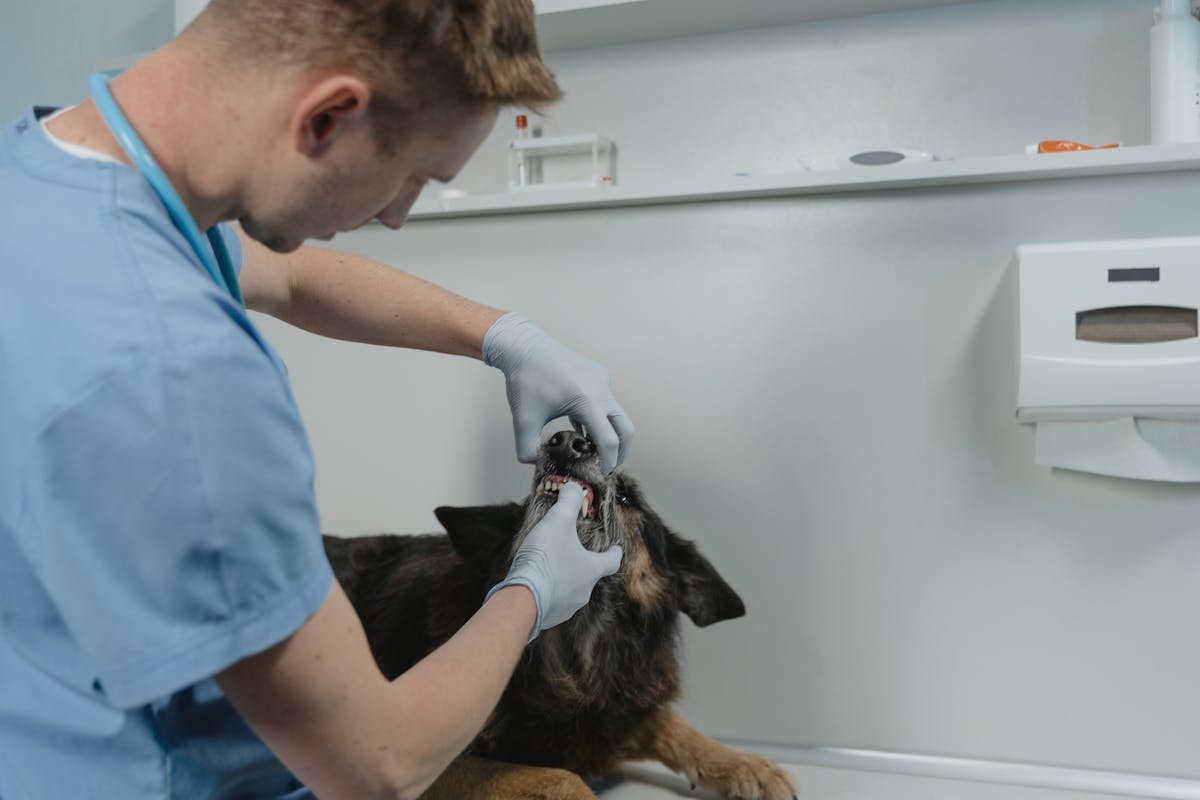
Microchipping is quick, but it sits at the start of a chain that can take weeks or months to complete. If a destination requires the chip before vaccination, or before a titre test, a late chip can push the whole schedule back. Book the appointment as soon as you know you may travel.
Requirements are set by the destination country and by carriers, and they do change. Mecco provides veterinary documentation and certification only — we are not a travel agency or a pet-shipping service. Please confirm your destination’s exact requirements with the relevant authority or your transporter before you commit to dates.
Keep reading
Travel vaccination is as much about calendars as it is about injections. Here is how the timing windows usually work.
Read articleA health certificate is a snapshot of your pet’s health on a particular date. Timing is everything.
Read articleExporting a pet is a paperwork exercise as much as a veterinary one. Here is how the documents fit together.
Read articleMecco Veterinary Clinic
Book an appointment or reach us in an emergency — we are here to help.