
Emergency
Pet Poisoning: What to Do
Fast, calm action saves lives. Here is how to respond to suspected poisoning — and what never to do.
Read articleEmergency
Witnessing a seizure is frightening. Here is how to keep everyone safe, time it and get the right help.
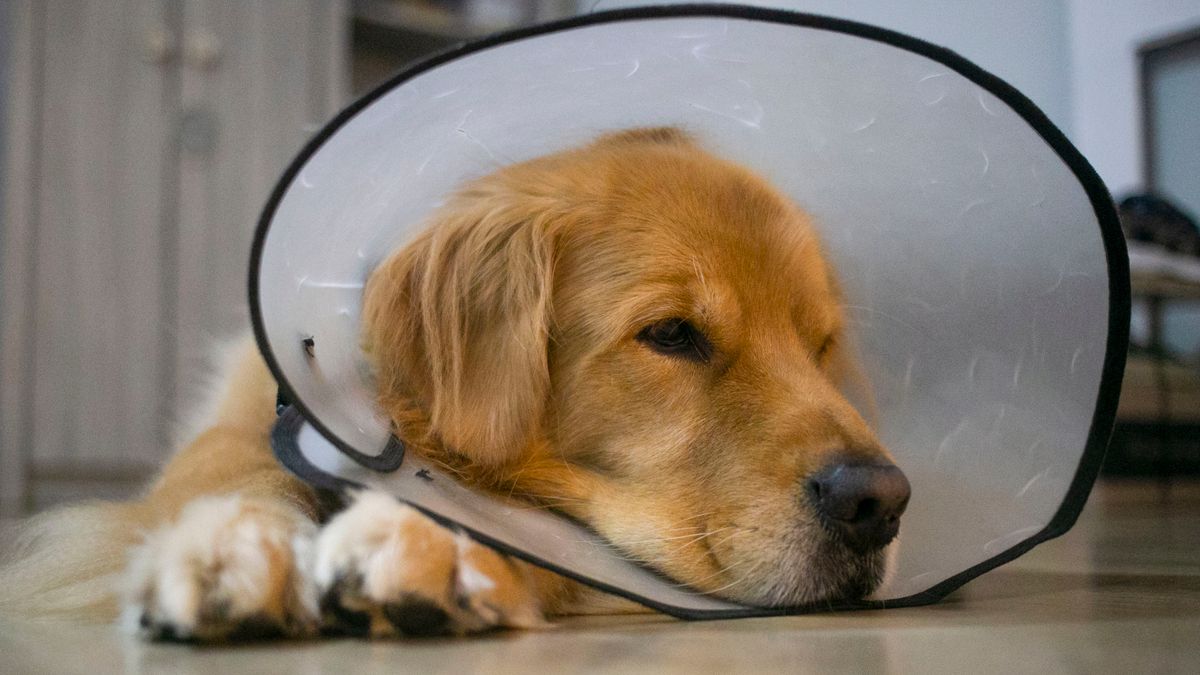
A seizure is a sudden burst of abnormal electrical activity in the brain. It can look different from one animal to another: some collapse and paddle their legs, others stiffen, twitch or lose control of their bladder. Some stare into space or behave oddly for a short time before or after the event.
Seizures are distressing to watch, but most do not last long. The most useful things you can do are to keep your pet safe, avoid being bitten, and note what you see. Your description helps us work out the cause and decide on treatment.
Some pets show a brief change in behaviour before a seizure. If you notice any of these, keep your pet safe and watch closely.
Do not put your hands or fingers near your pet’s mouth. They are not conscious and may bite accidentally — this is not aggression and they cannot swallow their tongue.
Clear away hard or sharp objects and furniture. Cushion the head with a pillow or folded towel, and do not restrain the body or try to hold the limbs still.
Note the start and finish on a clock or phone. How long it lasts, and how many occur, directly shape how we treat your pet.
Dim the lights, reduce noise and keep other people and animals away. Speak softly and let the seizure run its course.
Once the movement stops, your pet may be confused or wobbly. Keep them in a safe, quiet place and let them settle before you move them.
Never put your hands, a spoon or any object into your pet’s mouth — doing so risks serious bites and broken teeth, and cannot help. Do not try to restrain them in the middle of a seizure. Do not give any medication, food or water while the seizure is happening, and do not crowd or shout at your pet.
If your pet is near stairs, a road, water or a heat source, move the danger away from them rather than moving them, wherever that is possible safely.

Tell us how long the seizure lasted, whether it has happened before, and how many episodes you have seen. Describe what your pet did before, during and after. Mention their age, their weight, any medication or recent illness, and whether they may have eaten anything unusual.
A short video taken from a safe distance can be extremely helpful, but never put yourself at risk to record one.
Call us immediately if a seizure lasts more than a few minutes, if seizures repeat without your pet recovering in between, or if your pet does not wake up normally afterwards. A first-ever seizure should always be assessed, because it may signal poisoning, infection, metabolic disease or a brain problem rather than epilepsy.
Many pets are tired, wobbly or temporarily blind after a seizure, and usually settle over minutes to hours. We investigate the cause carefully: not every seizure requires lifelong medication, and some are triggered by illness, toxins or heat that can be treated directly.
If your pet is prescribed medication, give it exactly as directed and never stop or adjust it without speaking to us. Keep them away from known toxins, avoid overheating, and keep a simple diary of any episodes. Call us straight away if seizures become more frequent, more severe or last longer than before — that is a change we need to know about.
Keep reading
Fast, calm action saves lives. Here is how to respond to suspected poisoning — and what never to do.
Read article
How to help a seriously injured pet without causing further harm on the way to the clinic.
Read article
In a coastal climate, heatstroke can happen fast. Know the signs, cool effectively and get help early.
Read articleMecco Veterinary Clinic
Book an appointment or reach us in an emergency — we are here to help.