
Emergency
Pet Poisoning: What to Do
Fast, calm action saves lives. Here is how to respond to suspected poisoning — and what never to do.
Read articleEmergency
How to help a seriously injured pet without causing further harm on the way to the clinic.
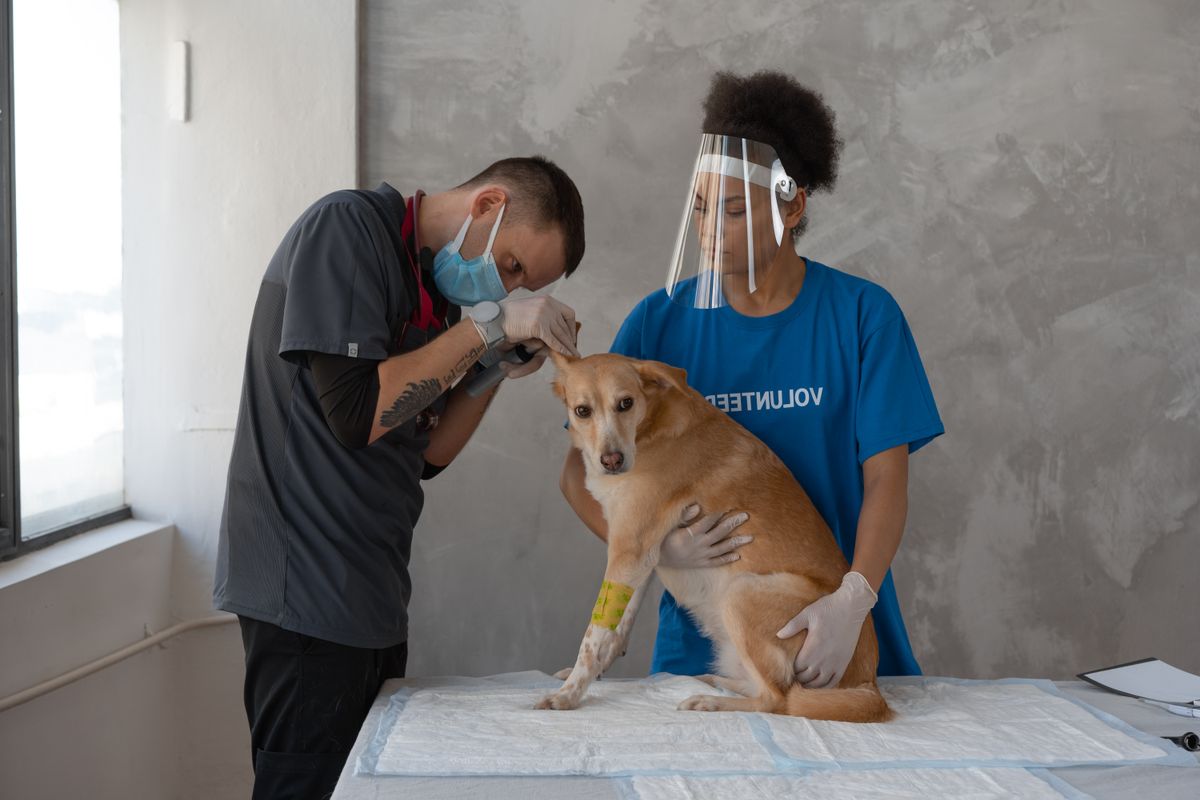
Road accidents, falls and bites are among the most serious emergencies we see. In the first minutes, the way you handle your pet matters almost as much as how quickly you reach us. A frightened, painful animal may react unpredictably, and hurried handling can worsen spinal, chest or limb injuries.
The aim of first aid in trauma is simple: keep your pet safe, keep them still, control obvious bleeding, and get them to us without delay. Please call ahead so we can prepare for your arrival.
Some injuries are obvious, but treat any of the following as serious and seek veterinary help at once.
Internal injuries are not always visible. Watch for these signs even if there is no open wound.
Let us know you are coming and describe what happened — a road accident, a fall, a bite — so the team can prepare equipment and a space before you arrive.
Even a gentle pet may bite when in pain or fear. Move slowly, speak softly, and use a towel, blanket or thick gloves if you need to handle them.
Slide a flat, rigid surface such as a board or firm blanket under your pet and lift them as a unit. Keep the spine and neck as straight as possible. Do not squeeze the chest or abdomen.
Apply firm, direct pressure with a clean cloth or dressing. Do not remove an object embedded in a wound — pack around it and keep pressure on the surrounding area.
Cover your pet with a blanket to help prevent shock, but do not overheat them. Minimise noise and movement during the journey.

Do not give food, water or human painkillers — they can interfere with treatment and some are toxic. Do not try to reset a broken bone or push protruding tissue back in. Do not remove an impaled object. Do not slap or shake your pet to rouse them, and do not assume that because they got up and walked, they are unharmed.
If your pet has stopped breathing, call us for guidance while you travel. We will tell you what to do based on what you are seeing.
Tell us what happened and when, whether your pet is conscious and breathing, whether they can stand, where the obvious wounds are, and roughly how much blood has been lost. Mention any known medical conditions and their approximate weight.
If you can do so safely, send a photo of the wound while someone else drives. Every detail helps us prepare.
Keep gates and doors secure, walk dogs on a lead near roads, and microchip so a lost pet can be reunited with you. Keep cats indoors at night, where they face the greatest risk.
Call us immediately for any accident or blow to the body — even if your pet seems to recover within minutes. After trauma, internal bleeding and organ injury can worsen quietly, and early assessment is far safer than waiting for signs to develop.
Keep reading
Fast, calm action saves lives. Here is how to respond to suspected poisoning — and what never to do.
Read article
In a coastal climate, heatstroke can happen fast. Know the signs, cool effectively and get help early.
Read articleWitnessing a seizure is frightening. Here is how to keep everyone safe, time it and get the right help.
Read articleMecco Veterinary Clinic
Book an appointment or reach us in an emergency — we are here to help.