
Cats
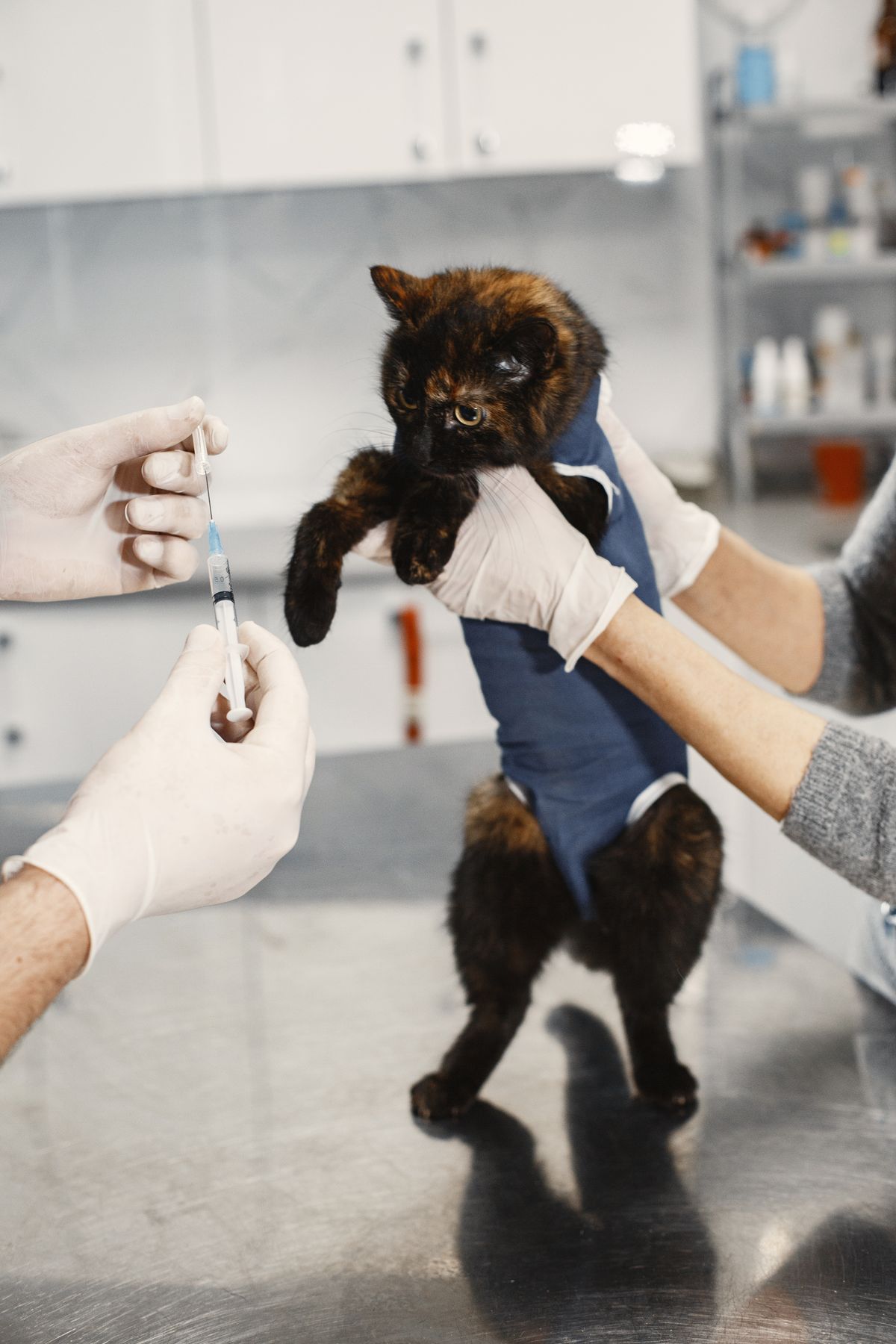
Kitten Vaccination: Giving Your Kitten the Best Start
A course, not a single injection — how to build strong immunity through your kitten’s first months.
Read articleCats
Cats are experts at hiding mouth pain. Here is how to spot it early, prevent it and keep the whole body well.

Dental disease is one of the most common problems we see, and one of the most under-recognised. It usually begins with plaque, a soft film of bacteria that hardens into tartar along the gumline. The gums become inflamed, a condition called gingivitis, and if it continues the supporting structures around the tooth break down.
Cats are particularly prone to tooth resorption, where the body slowly dissolves part of a tooth, and to painful gaps and holes in the enamel. Both are serious, both are hidden, and both are treatable once found.
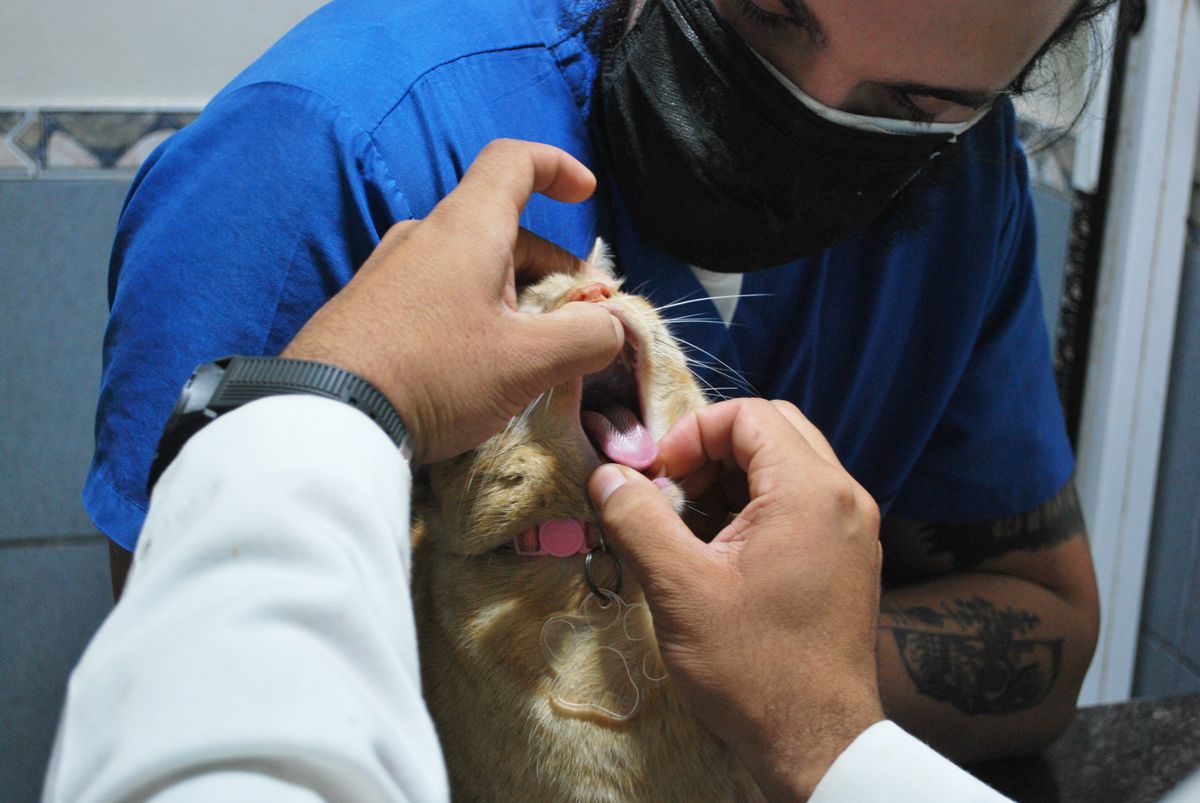
Cats rarely stop eating when their mouth hurts. Instead, they change how they eat.
The gums are rich in blood vessels. When they are inflamed and infected, bacteria and inflammatory signals can enter the bloodstream and place strain on the heart, liver and kidneys. Chronic mouth pain also suppresses appetite, and poor nutrition weakens an older cat further.
Treating dental disease is therefore about far more than a clean smile. It is about comfort, and about protecting the rest of the body.
We examine the mouth, chart what we find, and assess the rest of your cat’s health, including blood tests where needed.
We explain what we have found, what we recommend and the likely cost, so you can decide with full information.
Scaling, polishing and dental X-rays are done under general anaesthesia with monitoring and pain relief. This keeps the cat comfortable and lets us assess every tooth properly.
Diseased teeth may need extraction. Where possible we preserve healthy teeth, and we manage pain throughout.
We send your cat home with pain relief and clear aftercare, then review healing as needed.
Daily brushing is ideal, but a tolerant cat is built, not forced. Start small and be patient.
Book a dental assessment if you notice bad breath, red or bleeding gums, drooling, eating changes or pawing at the mouth. Do not wait until your cat stops eating — by then the pain is usually severe.
Dental pain does not resolve on its own, and it will not be fixed by changing food. If you are unsure whether what you are seeing matters, bring your cat in so we can look.
Keep reading
A course, not a single injection — how to build strong immunity through your kitten’s first months.
Read articleUnderstanding the illnesses vaccination and good care are designed to prevent — and the quiet signs cats show first.
Read article
Why spaying is one of the most important health decisions you can make for a female cat, and what recovery looks like.
Read articleMecco Veterinary Clinic
Book an appointment or reach us in an emergency — we are here to help.