
Cats
Kitten Vaccination: Giving Your Kitten the Best Start
A course, not a single injection — how to build strong immunity through your kitten’s first months.
Read articleCats
Understanding the illnesses vaccination and good care are designed to prevent — and the quiet signs cats show first.
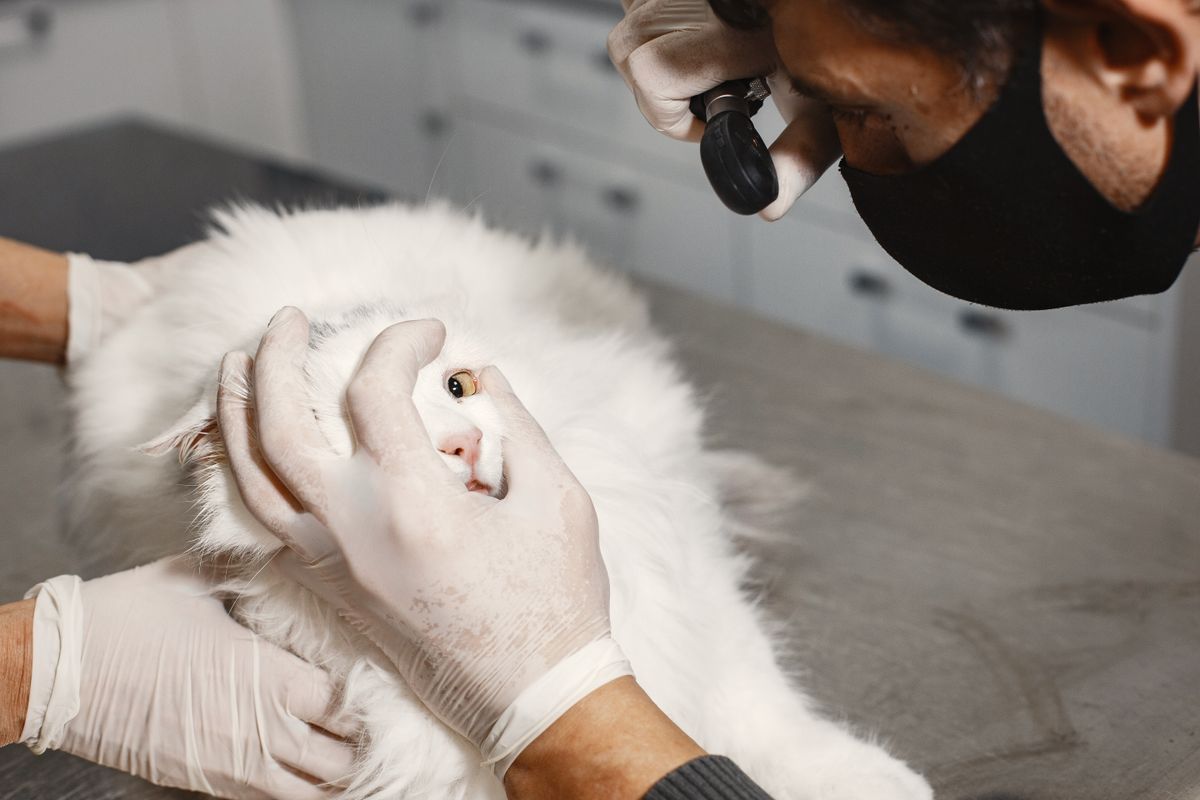
Cats are both predator and prey, and their instinct when unwell is to withdraw and disguise it. A cat that feels vulnerable will often sleep more, eat less and hide, rather than cry out. By the time an owner sees obvious signs, an infection may already be well established.
This is why we ask about small changes: a cat that is a little quieter, grooming less, drinking more or eating a bit less than usual. In cats, subtle is often significant.
Some feline infections are common and some are life-threatening. Vaccination and good management address the most important ones.
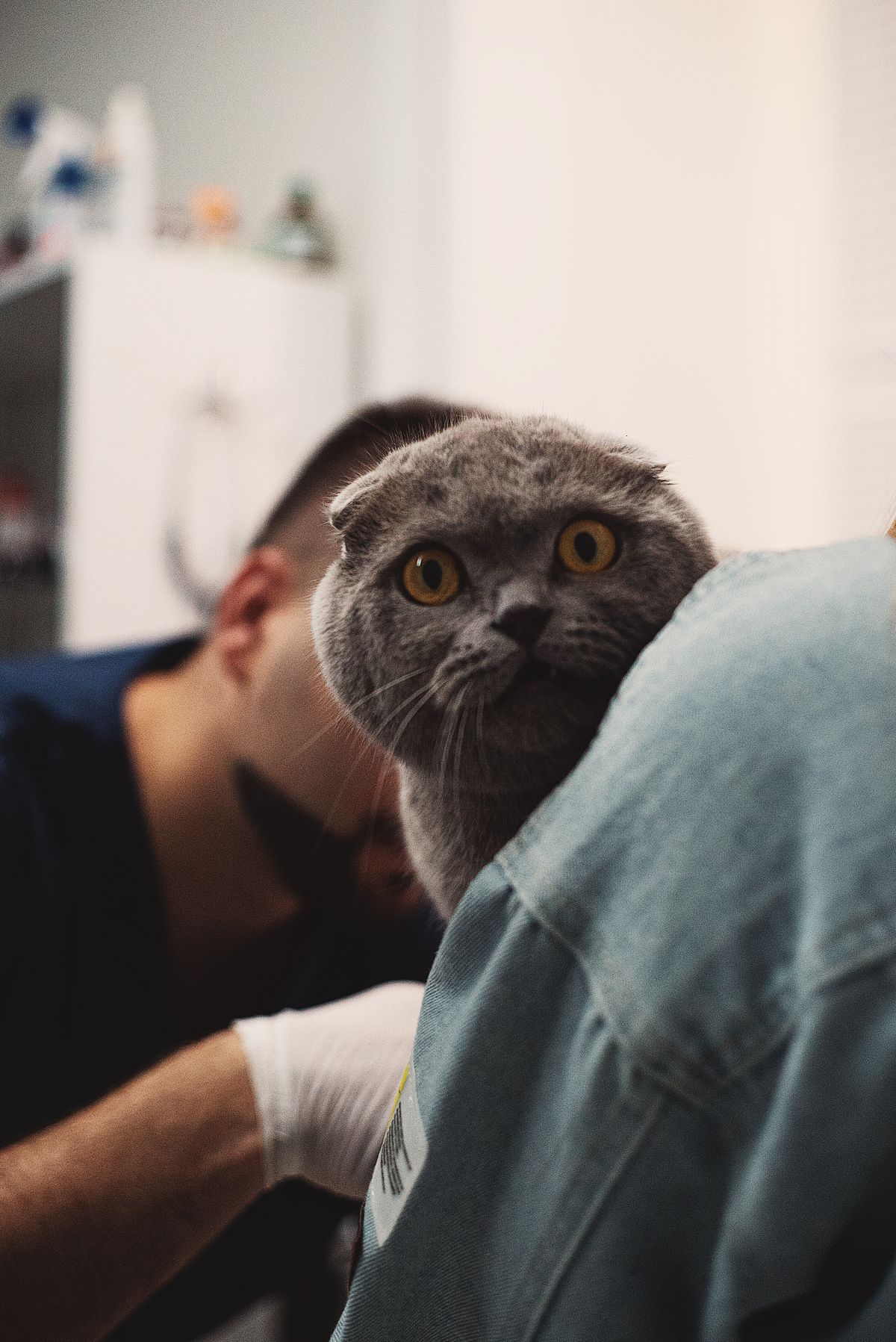
Many feline infections pass directly from cat to cat through saliva, nasal and eye secretions, grooming and fighting. Shared food and water bowls, bedding and litter trays also carry infection when cats live together.
Some agents survive in the environment for a long time, which is why a new cat, a foster animal or even a person’s clothing and shoes can bring infection into a home with no other cats. Indoor cats are at lower risk, but they are not free of risk.
Stress makes this worse. A crowded household, a new arrival or a disrupted routine can raise a cat’s susceptibility at exactly the moment they meet something new.
Contact us if you notice any of the following, especially more than one at once.
Core vaccination is the single most effective step for the diseases it covers. Keep boosters up to date, even for indoor cats.
Keep a new or visiting cat separate for a couple of weeks, with their own bowls and litter tray, before introductions.
Give a sick cat their own food and water bowls and clean them separately to limit spread.
Enough resources — trays, beds, resting places — reduces the tension that helps infection take hold.
After handling a sick cat or visiting another household with cats, wash before greeting your own.
Book an appointment if your cat stops eating for more than a day, sneezes persistently, has discharge from the eyes or nose, vomits repeatedly, has diarrhoea, breathes with effort or simply seems “not quite right”.
Trust your knowledge of your own cat. If something has changed and stayed changed, that is enough reason to call. We would far rather reassure you in good time than treat a problem late.
Keep reading
A course, not a single injection — how to build strong immunity through your kitten’s first months.
Read article
Cats are experts at hiding mouth pain. Here is how to spot it early, prevent it and keep the whole body well.
Read article
Why spaying is one of the most important health decisions you can make for a female cat, and what recovery looks like.
Read articleMecco Veterinary Clinic
Book an appointment or reach us in an emergency — we are here to help.