
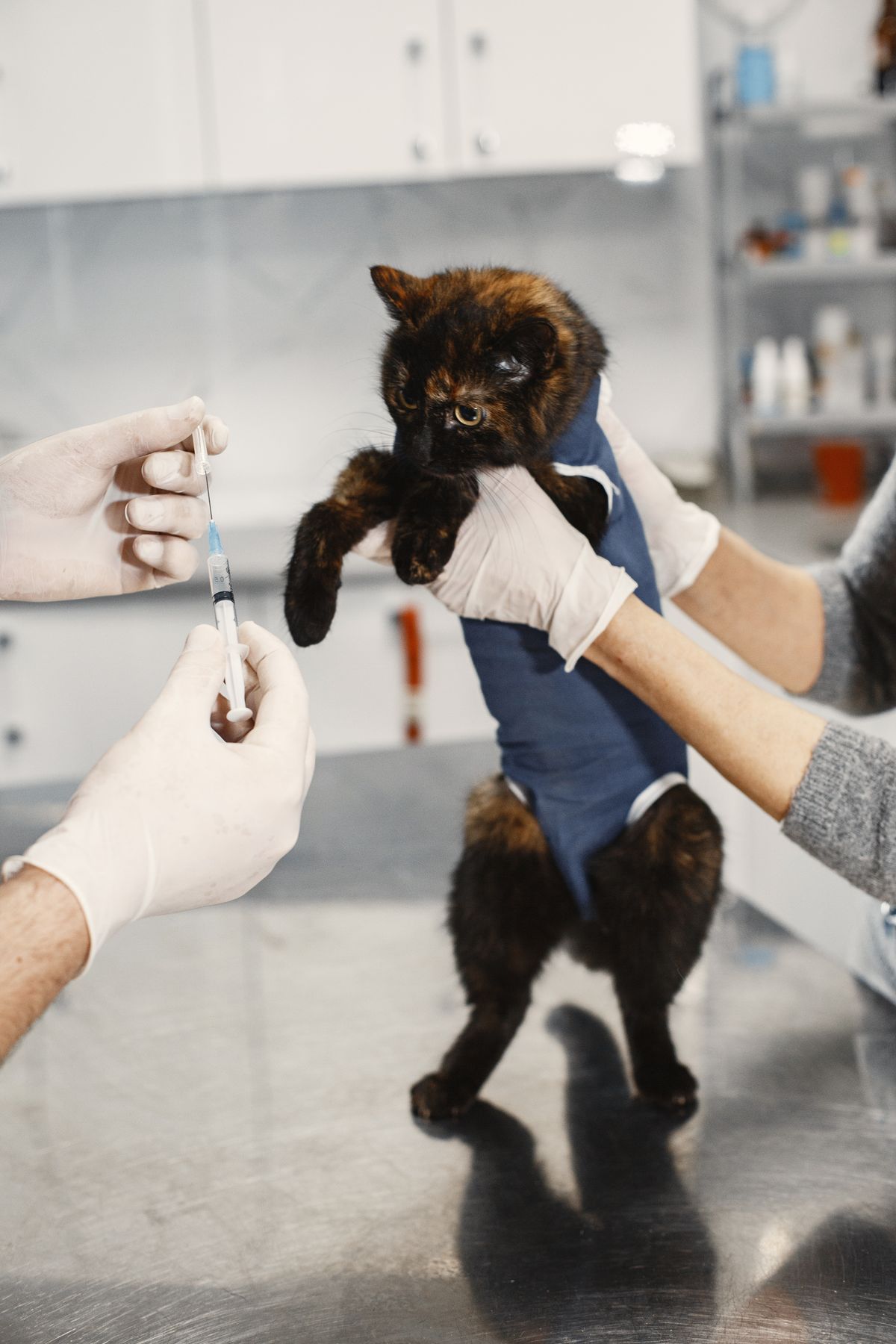
Cats
Kitten Vaccination: Giving Your Kitten the Best Start
A course, not a single injection — how to build strong immunity through your kitten’s first months.
Read articleCats
Why spaying is one of the most important health decisions you can make for a female cat, and what recovery looks like.
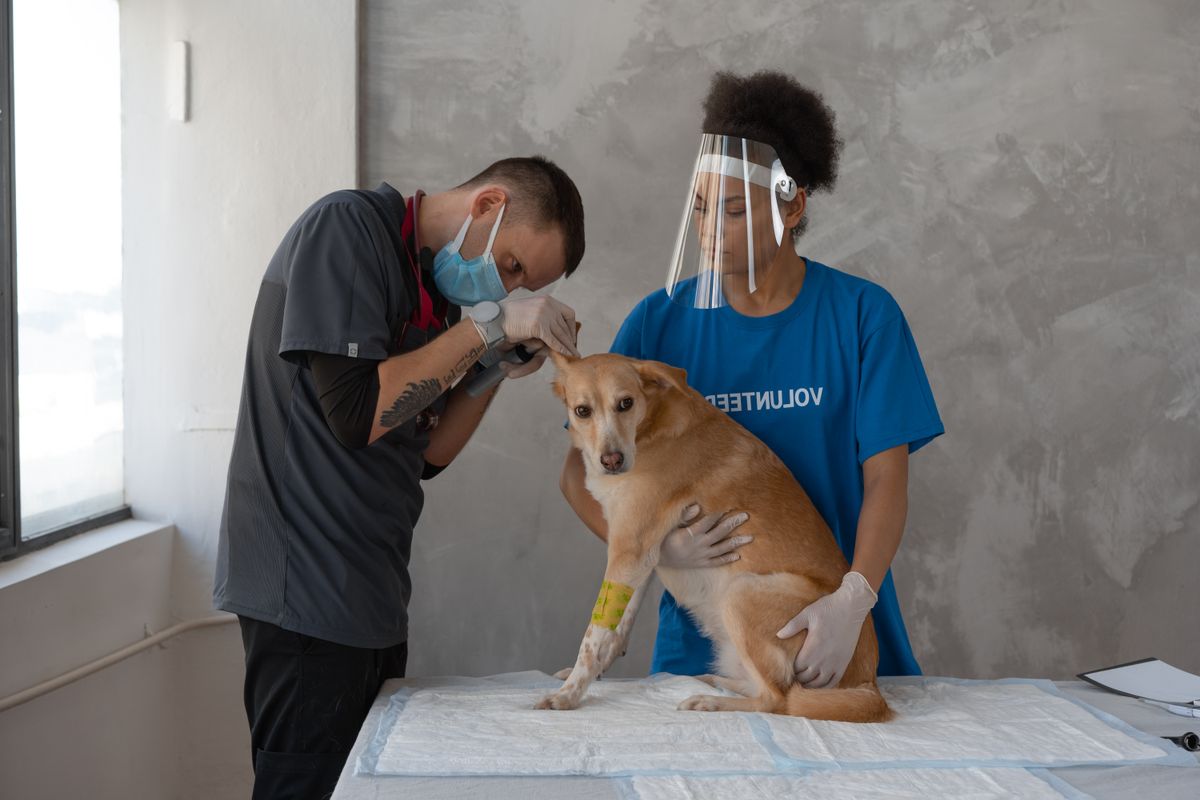
Spaying, or ovariohysterectomy, is the surgical removal of a female cat’s ovaries and uterus. It is the most common elective operation we perform, and one of the most valuable.
It is carried out under general anaesthesia with careful monitoring and pain relief before, during and after surgery. A cat is thoroughly examined beforehand, and we only proceed when we are satisfied she is well enough for anaesthesia.
The surgery is routine but not trivial. We take it seriously, which is why we plan it properly and give you clear instructions for the days afterwards.
Spaying protects your cat’s health and prevents a great deal of stress — for her and for you.
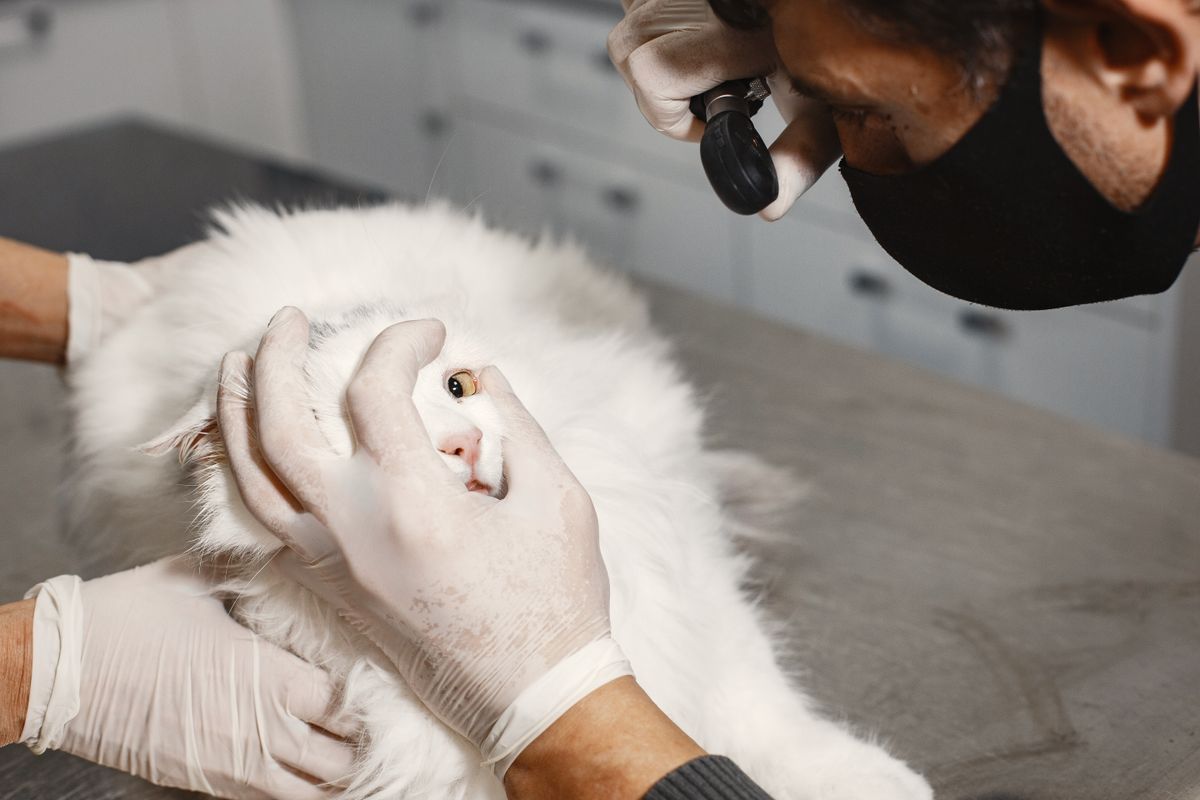
Your cat is usually admitted in the morning, having been fasted overnight as instructed. We confirm her health, carry out the procedure, and monitor her closely as she wakes.
Most cats go home the same day or the following morning, alert and comfortable, with pain relief to continue at home. We show you the small incision and explain exactly what normal healing should look like.
Cats are individuals. Age, weight and general health all influence the plan, and we will discuss anything specific to your cat before the day.

Spaying can be done from around four to six months of age, before the first season, although it can also be performed later. There is no need to wait for a season, and waiting carries its own risks.
We will recommend the right moment for your cat based on her age, health and circumstances, and we are always happy to talk through the decision without pressure.
Recovery is usually quick. A few simple precautions keep it smooth.
Call us if your cat is vomiting, refuses to eat, seems unusually painful, bleeds from the wound, has discharge or swelling at the incision, or is dull and quiet after the first day or two. These are uncommon, but they matter.
If you are considering spaying, or are unsure about the timing, book a consultation. We will examine your cat, answer your questions honestly and help you decide what is best for her.
Keep reading
A course, not a single injection — how to build strong immunity through your kitten’s first months.
Read articleUnderstanding the illnesses vaccination and good care are designed to prevent — and the quiet signs cats show first.
Read article
Cats are experts at hiding mouth pain. Here is how to spot it early, prevent it and keep the whole body well.
Read articleMecco Veterinary Clinic
Book an appointment or reach us in an emergency — we are here to help.