
Cats
Common Feline Infectious Diseases
Understanding the illnesses vaccination and good care are designed to prevent — and the quiet signs cats show first.
Read articleCats
A course, not a single injection — how to build strong immunity through your kitten’s first months.
A kitten begins life with some immunity passed through its mother’s first milk. That protection is valuable, but it fades at a rate we cannot predict, and while it is present it can also stop a vaccine from working properly.
This is why we give a course of vaccinations spaced a few weeks apart rather than a single dose. Each injection is timed to build protection as the mother’s antibodies decline, so that by the end of the course your kitten has reliable immunity of its own.
Rushing the course or missing the final dose can leave a gap in protection at exactly the age when a kitten is becoming curious, exploring the house and meeting other cats.
Core protection for a kitten in Tanzania covers the most serious feline diseases.

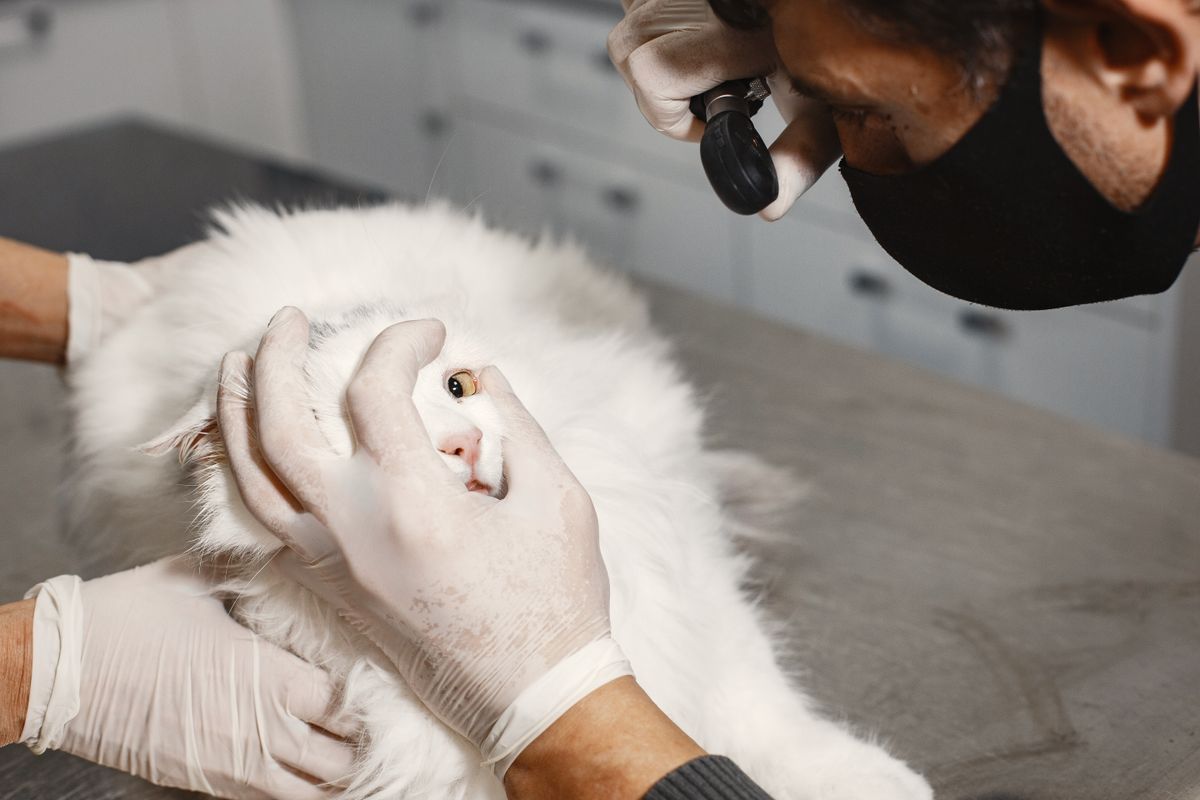
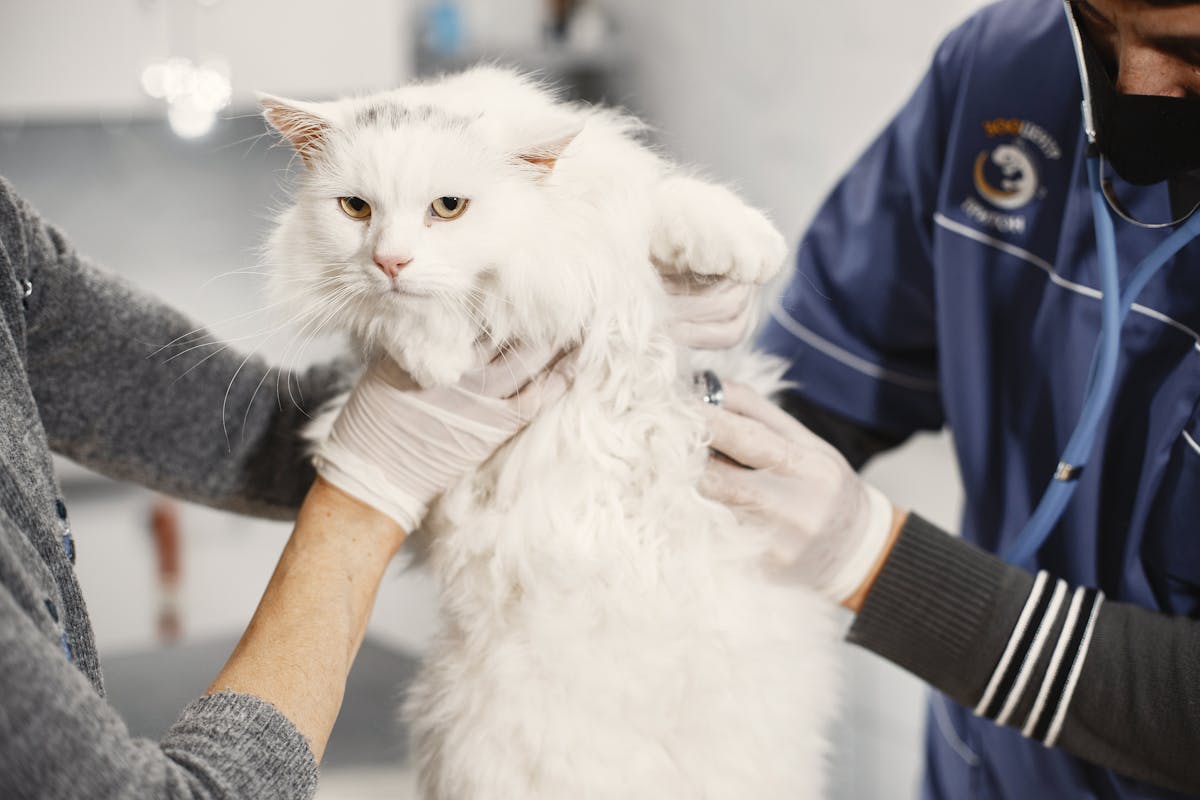
A vaccination visit is a full appointment, not just an injection. We start with a gentle physical examination — listening to the heart and lungs, checking the eyes, ears and mouth, feeling the abdomen and assessing weight, coat and behaviour.
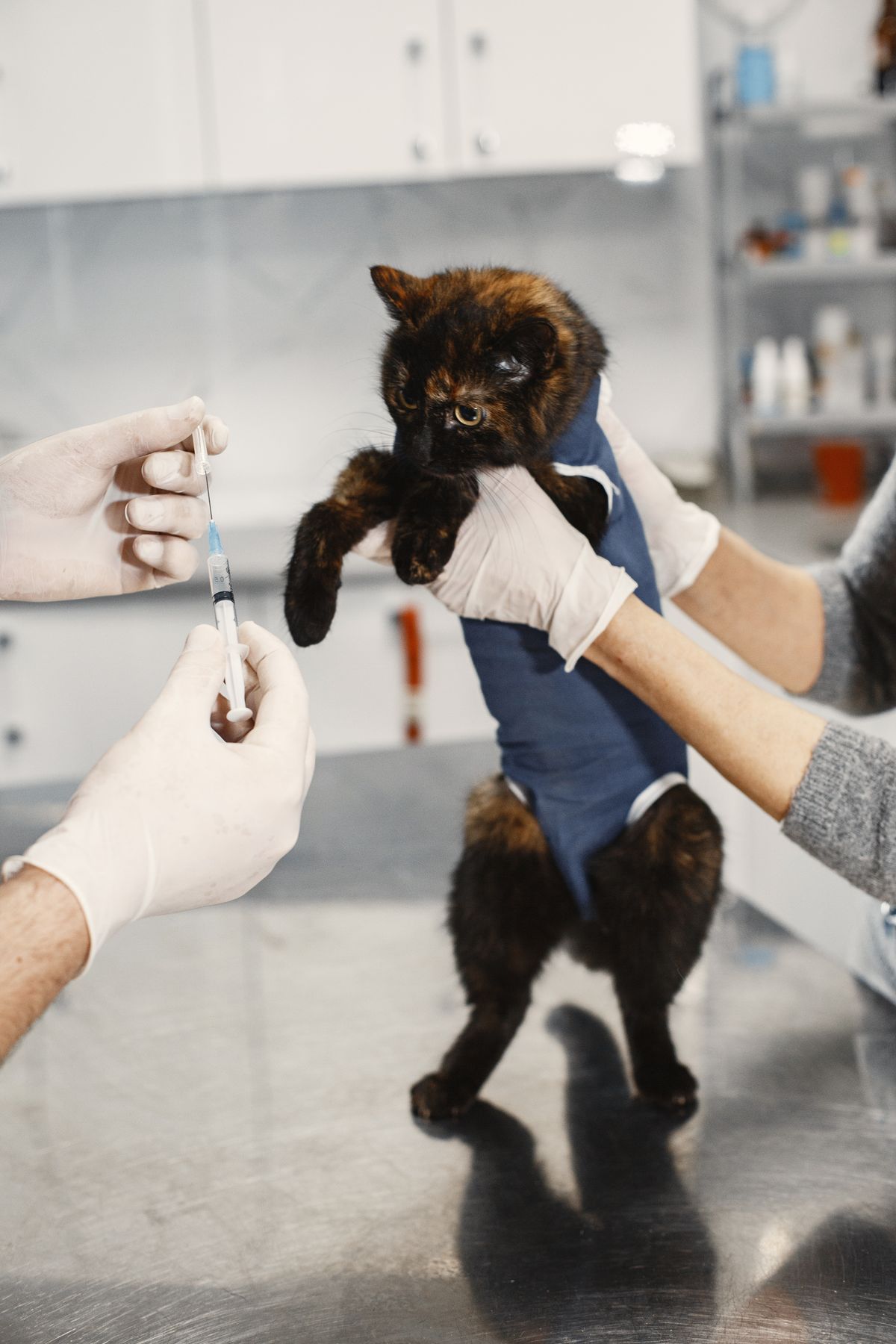
The vaccine itself is given under the skin, usually between the shoulder blades, and takes only a moment. Most kittens barely notice it. We record the product used, the date and the next due date, so nothing is forgotten.
If your kitten is unwell, we may postpone vaccination until they have recovered. A vaccine works best in a healthy body, and giving it during illness helps no one.
You can still enjoy your kitten while protection is building — just choose their world carefully.
Usually from around eight to nine weeks of age, provided your kitten is healthy and eating well. We examine, start the course and record everything.
Three to four weeks later, for the next dose. Protection strengthens with each one.
Typically at around twelve to sixteen weeks, the last kitten dose is given. Rabies may be included here.
A year after the course, protection is topped up. After that, boosters continue at intervals we set for your cat.
Contact Mecco if your kitten sneezes repeatedly, has runny eyes or nose, stops eating, vomits, has diarrhoea, seems weak or is quieter than usual. Kittens can become unwell very quickly, and early treatment makes a real difference.
If you are unsure whether a kitten is well enough to be vaccinated, call us — we would much rather see them and decide together than have you guess.
Keep reading
Understanding the illnesses vaccination and good care are designed to prevent — and the quiet signs cats show first.
Read article
Cats are experts at hiding mouth pain. Here is how to spot it early, prevent it and keep the whole body well.
Read article
Why spaying is one of the most important health decisions you can make for a female cat, and what recovery looks like.
Read articleMecco Veterinary Clinic
Book an appointment or reach us in an emergency — we are here to help.