

Dogs
Puppy Vaccination: A Complete Guide for New Owners
What to vaccinate, when to start, and why a single injection is never enough to protect a growing puppy.
Read articleDogs
A safe, routine procedure with real health and behavioural benefits for dogs and their families.
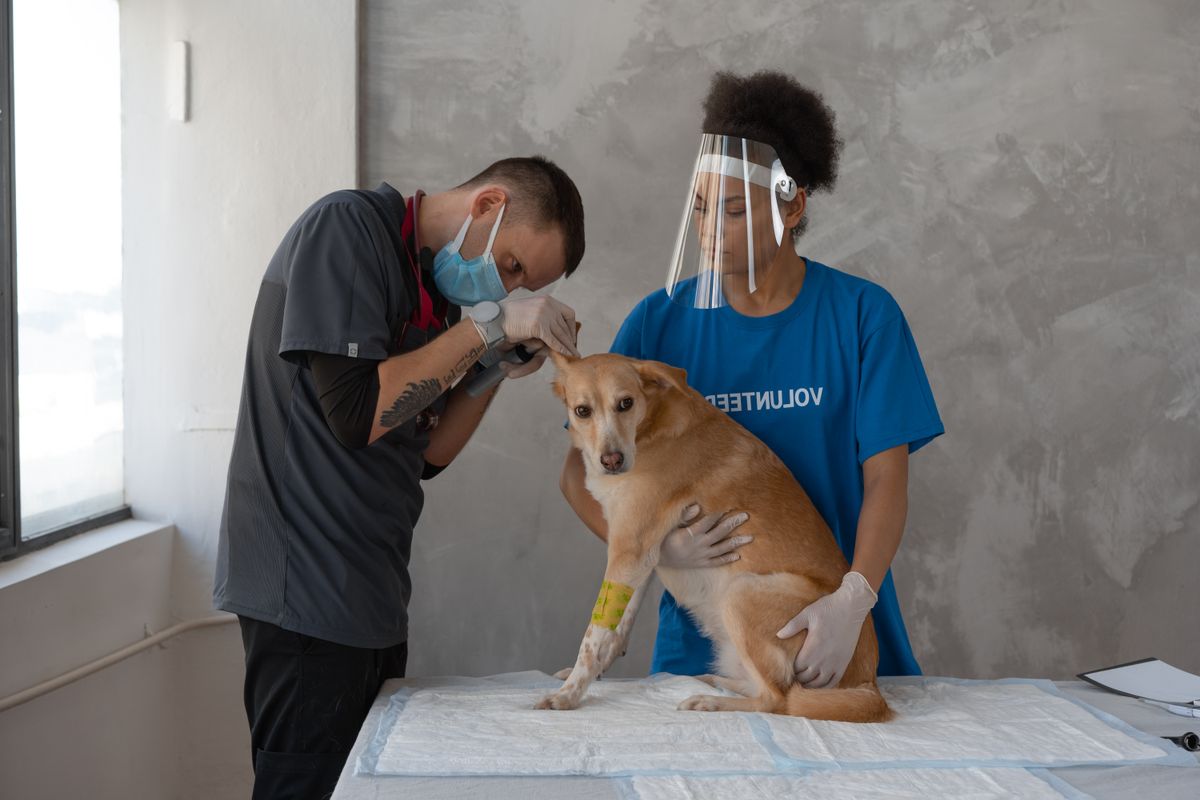
Neutering, sometimes called “fixing”, is the surgical removal of the reproductive organs. In male dogs it is called castration, and in females it is called spaying. Both are performed under general anaesthesia, with careful monitoring and pain relief throughout.
Castration removes the testicles, which are the main source of testosterone. Spaying removes the ovaries and usually the uterus, which is where the reproductive cycle and pregnancy are controlled.
Neutering is one of the most common procedures in veterinary practice. Done at the right age and in good health, it is a routine operation with a well-understood recovery.
The reasons to neuter are a mix of population control, health protection and behaviour — and the balance differs between males and females.
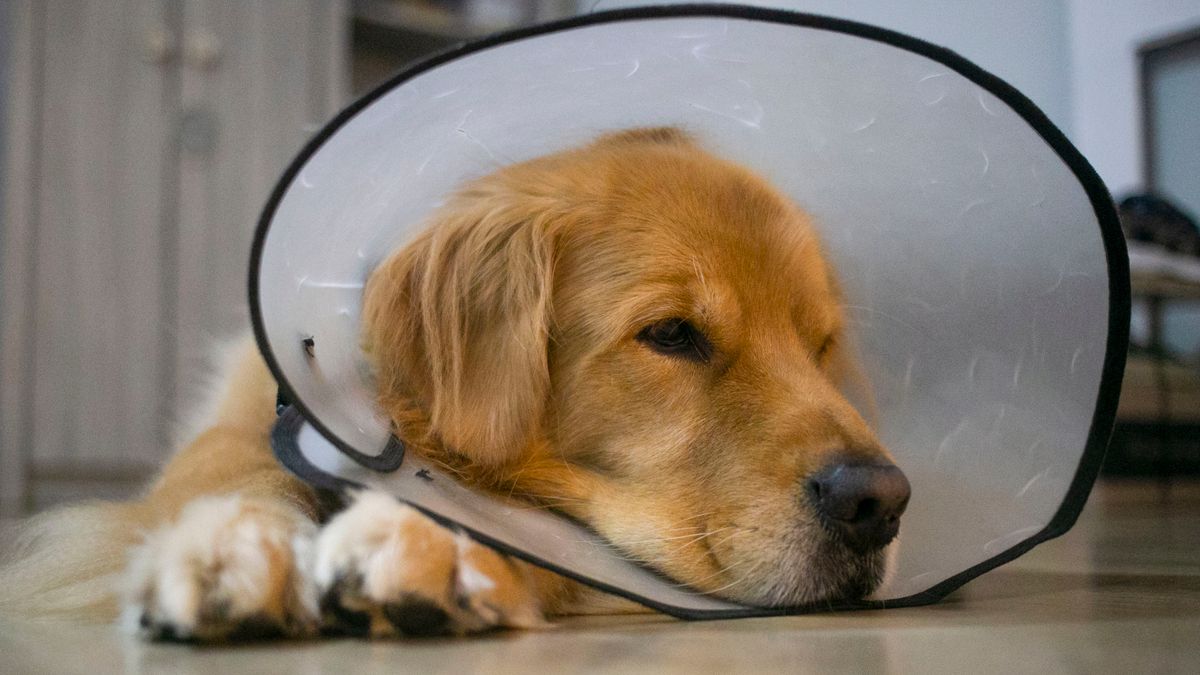
The best time to neuter depends on your dog’s breed, size, sex and health. There is no single date that suits every dog. Very large breeds, for example, may benefit from waiting until their growth plates have closed, while for some females we plan surgery between seasons to reduce the risk of complications.
We will discuss the options with you honestly, including the reasoning behind early versus later neutering for your dog, and any medical reasons to choose one approach over another. The decision is yours; our role is to give you clear information.
Neutering can be performed on adult dogs too, and there is no upper age at which it becomes automatically unsafe — we simply assess general health beforehand, as we would for any anaesthetic.
We examine your dog and may recommend a pre-anaesthetic blood test. You will be asked to withhold food for the stated period, while keeping water available.
Your dog is admitted, given pain relief and anaesthetised. The procedure is short, and a trained team monitors breathing, heart rate and temperature throughout.
Most dogs go home the same day. You will receive clear instructions on medication, feeding and rest, and on monitoring the wound.
Keep your dog calm, restrict jumping and swimming, and prevent licking or chewing at the wound. Use an Elizabethan collar or protective suit if advised.
We check the wound and remove stitches if needed. Contact us sooner if you are worried — never wait if the wound looks swollen, dirty or open.
Many owners worry that neutering will change their dog’s personality. Most dogs remain exactly who they were — the same affectionate companion. What often changes is behaviour driven by hormones, such as roaming and marking. Training, exercise and attention remain the biggest influences on behaviour.
Weight gain after neutering is common but preventable. Because metabolism can slow a little, portion sizes and activity often need a small, deliberate adjustment. We will help you monitor body condition so your dog stays lean.
Some owners are concerned about anaesthesia. Modern protocols are very safe, and we tailor them to each patient, with pre-operative assessment for older or unwell dogs. We are always happy to explain exactly what we do.
Book a consultation to discuss neutering for your dog. We will answer your questions, examine your dog and advise on the best timing. Many dogs are neutered from around four to six months of age, but your dog’s individual plan may differ.
If your female dog shows signs of a season, a swollen or painful abdomen, discharge or vomiting, contact us promptly — these can be signs of a serious uterine infection, especially in older unspayed bitches.
After surgery, follow the aftercare instructions closely and do not hesitate to call if anything seems wrong. Most dogs recover quickly and are back to their usual selves within a week or two.
Keep reading
What to vaccinate, when to start, and why a single injection is never enough to protect a growing puppy.
Read article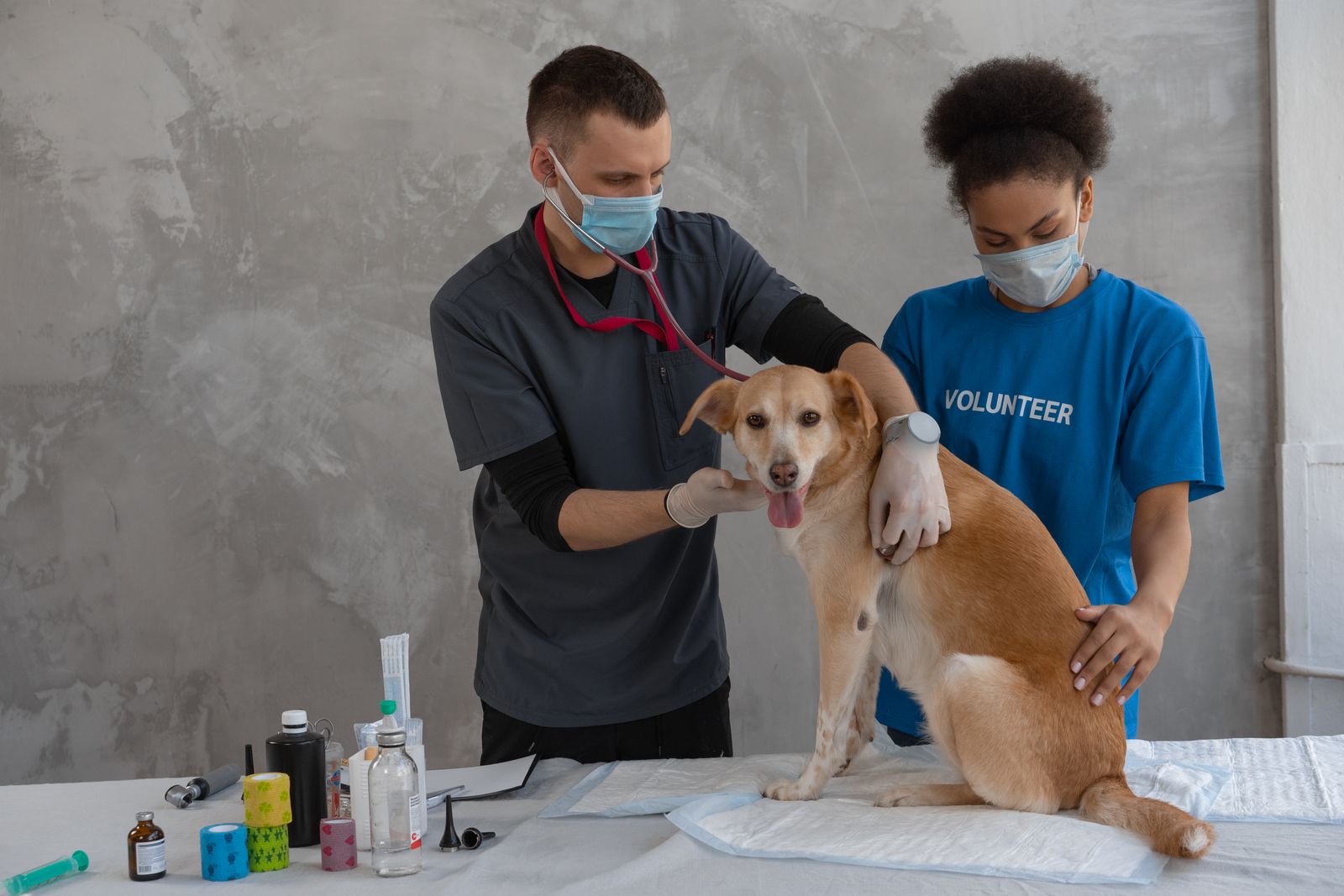
Ticks are more than a nuisance — in coastal Tanzania they carry real diseases. Here is how to protect your dog.
Read article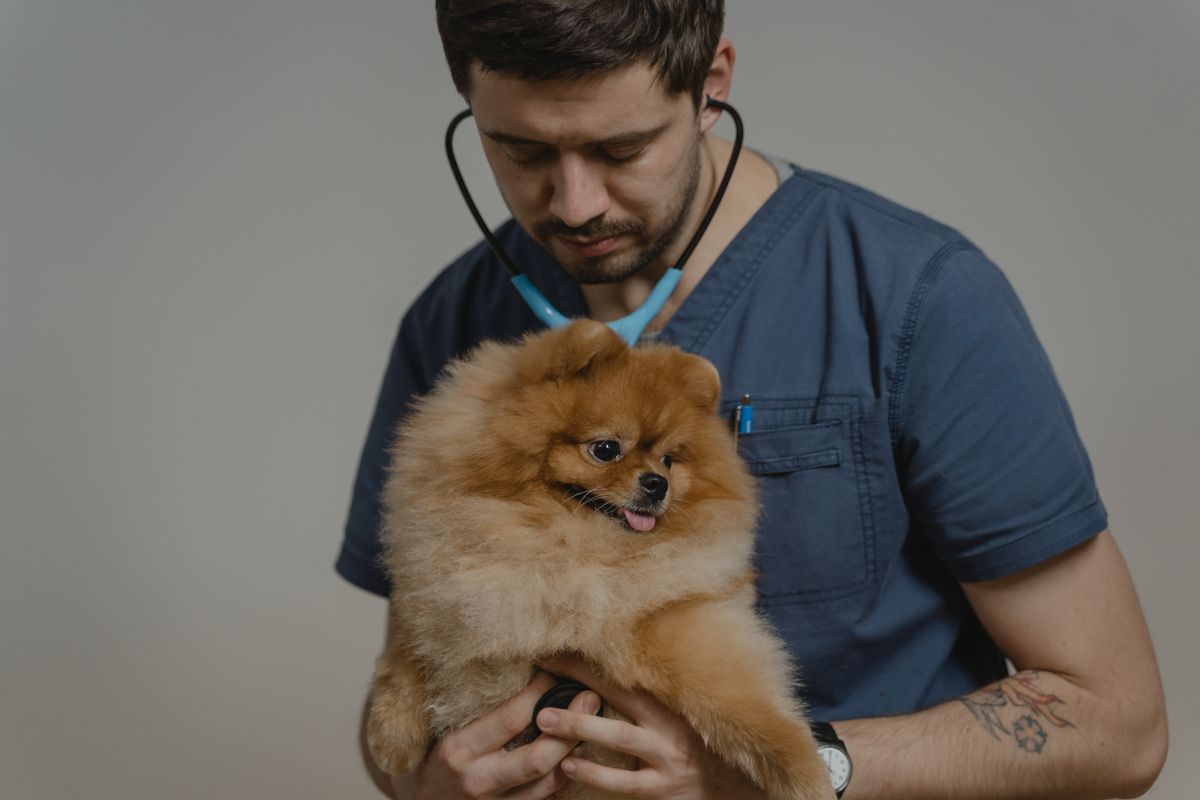
Itching, hair loss and redness have many causes. Finding the right one is the key to lasting relief.
Read articleMecco Veterinary Clinic
Book an appointment or reach us in an emergency — we are here to help.