

Dogs
Puppy Vaccination: A Complete Guide for New Owners
What to vaccinate, when to start, and why a single injection is never enough to protect a growing puppy.
Read articleDogs
Ticks are more than a nuisance — in coastal Tanzania they carry real diseases. Here is how to protect your dog.
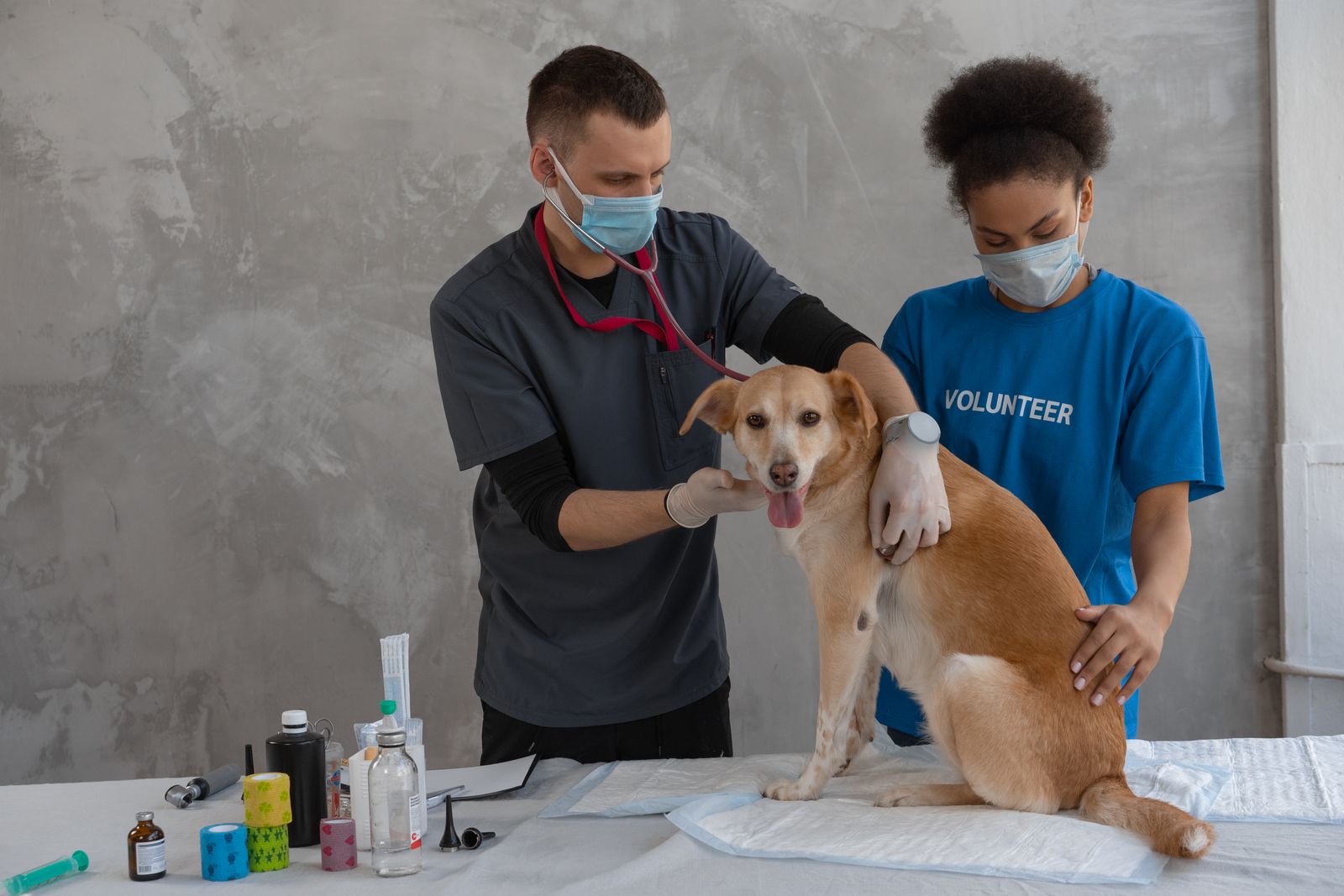
In a warm, humid coastal climate such as Dar es Salaam, ticks do not follow a short season. They remain active for most of the year, which means the risk to your dog is continuous rather than something to think about only in the wet months. Ticks wait in grass and vegetation, then attach to a passing animal and feed on its blood.
Feeding is not the only harm. As they feed, ticks can transmit microscopic parasites and bacteria that cause serious illness in dogs — conditions that often begin quietly and can become life-threatening if they are not recognised and treated.
Because ticks are so common here, prevention is not optional or occasional. A consistent routine is the single most effective thing you can do to protect your dog.
Several tick-borne infections occur in our region. They can look similar in the early stages, which is one reason prompt assessment matters.

A heavy tick burden is usually obvious, but early tick-borne disease is subtle. Owners often describe a dog that is “just not right” — quieter than usual, sleeping more, off its food, or unwilling to go for a walk. Some dogs develop a fever that comes and goes.
As anaemia develops, the gums and inner eyelids may look pale rather than a healthy pink. In more advanced cases you may see weight loss, nosebleeds, bruising, dark urine or swelling of the legs. Any of these signs, especially with a known tick burden, deserves prompt attention.
Run your hands over your dog regularly, paying attention to the warm, sheltered places ticks prefer: around the ears, along the neck, under the collar, in the armpits and groin, and between the toes.

The most reliable protection is a product suited to your dog, used correctly and without gaps.
Grip the tick as close to the skin as you can, without squeezing the body.
Use a firm, even pull — do not twist or jerk, and do not crush the tick.
These home remedies can make the tick regurgitate, increasing the risk of disease transmission.
Wash the bite site and your hands afterwards, and note the date in case your dog becomes unwell.
If your dog develops a fever, lethargy or pale gums in the following days or weeks, tell us about the tick exposure.
Bring your dog in if you notice fever, lethargy, pale gums, loss of appetite, unexplained bruising or weight loss — particularly if ticks have been found. Blood testing lets us identify tick-borne disease and begin treatment early, when it is most effective.
We can also build a year-round prevention plan for your dog and show you how to check the coat properly at home. If you have tried products that did not seem to work, or you are unsure what is safe for your dog’s age, a short consultation will set you on the right path.
Keep reading
What to vaccinate, when to start, and why a single injection is never enough to protect a growing puppy.
Read article
Itching, hair loss and redness have many causes. Finding the right one is the key to lasting relief.
Read article
Bad breath is not normal — it is often the first sign of a painful, treatable problem in your dog’s mouth.
Read articleMecco Veterinary Clinic
Book an appointment or reach us in an emergency — we are here to help.