

Dogs
Puppy Vaccination: A Complete Guide for New Owners
What to vaccinate, when to start, and why a single injection is never enough to protect a growing puppy.
Read articleDogs
Itching, hair loss and redness have many causes. Finding the right one is the key to lasting relief.
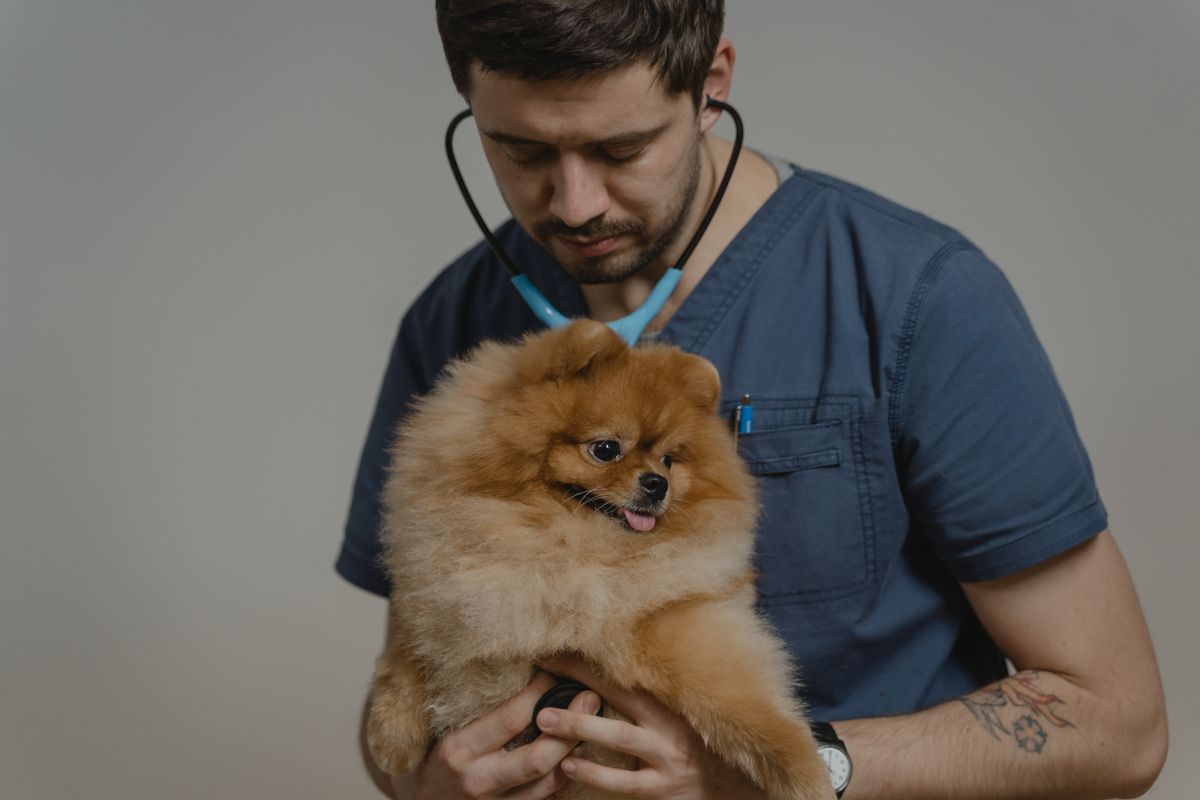
The skin is the body’s largest organ, and a dog’s coat is a visible record of its health. Itching, redness, hair loss and rashes are among the most frequent reasons dogs visit us — and among the most frustrating for owners, because the cause is not always obvious from the surface.
A dog that scratches constantly is uncomfortable in a way that affects sleep, mood and appetite. Prolonged scratching damages the skin barrier, which invites infection and keeps the problem going. Rarely is there a single, simple answer.
The good news is that most skin disease can be managed well once we understand what is driving it. The key is proper diagnosis rather than repeated guesswork.
Several conditions can look almost identical on the surface, and a dog may have more than one at once.

We begin by asking about the history: when the problem started, whether it is seasonal, what your dog eats, where it sleeps and walks, and whether other pets or people are affected. This history is often more useful than any single test.
We then examine the skin closely, looking for redness, scaling, crusting, bald patches, thickening and the pattern of where the problem sits on the body. Simple in-clinic tests — such as skin scrapes, tape preparations and cytology — can reveal mites, bacteria and yeast within minutes.
Depending on what we find, we may recommend a trial diet, allergy investigation, blood tests for hormonal disease, or a treatment plan to follow for a set period. Because so many skin conditions overlap, treatment and testing often go hand in hand.
Skin disease often has more than one layer. A dog may have an underlying allergy that flares, leading to a bacterial infection, which causes more itching, which damages the skin further. Treating only the itch, or stopping treatment the moment it looks better, allows the cycle to restart.
It also takes time. The skin renews itself slowly, so real improvement can take weeks, not days. Following the plan for the full course — even when your dog looks comfortable again — is what prevents relapse.
A common mistake is to reach for human creams, steroid creams or leftover medications. Some are harmful to dogs, and many mask the problem while the underlying cause continues.
Alongside veterinary treatment, a few simple habits support the skin and reduce flare-ups.
Book a visit if your dog scratches, licks or bites at itself persistently, or if you see hair loss, bald patches, a dull coat, red or smelly skin, crusting, or recurring ear infections and head shaking. Any skin change that keeps returning after home treatment deserves a proper look.
Early assessment is kinder to your dog and usually simpler to treat. We will explain what we find, what it means and what the plan is — including how long to expect before you see improvement.
Keep reading
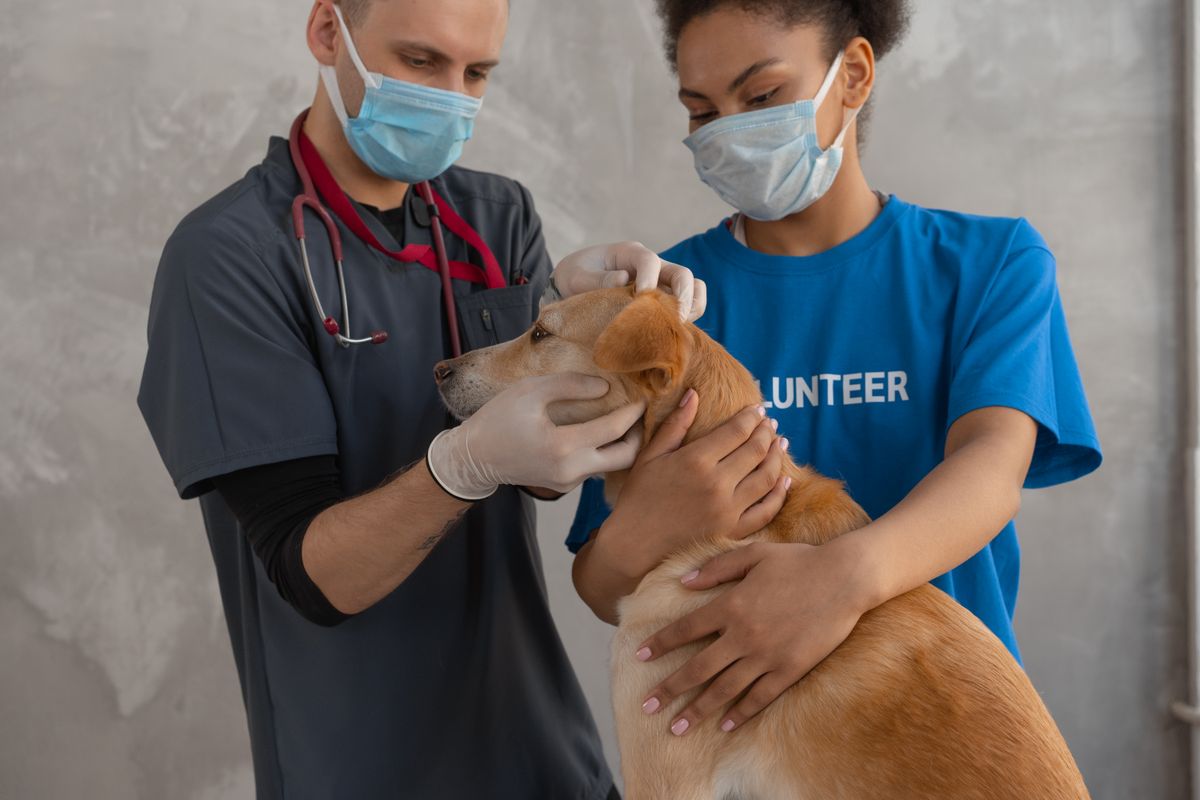
What to vaccinate, when to start, and why a single injection is never enough to protect a growing puppy.
Read article
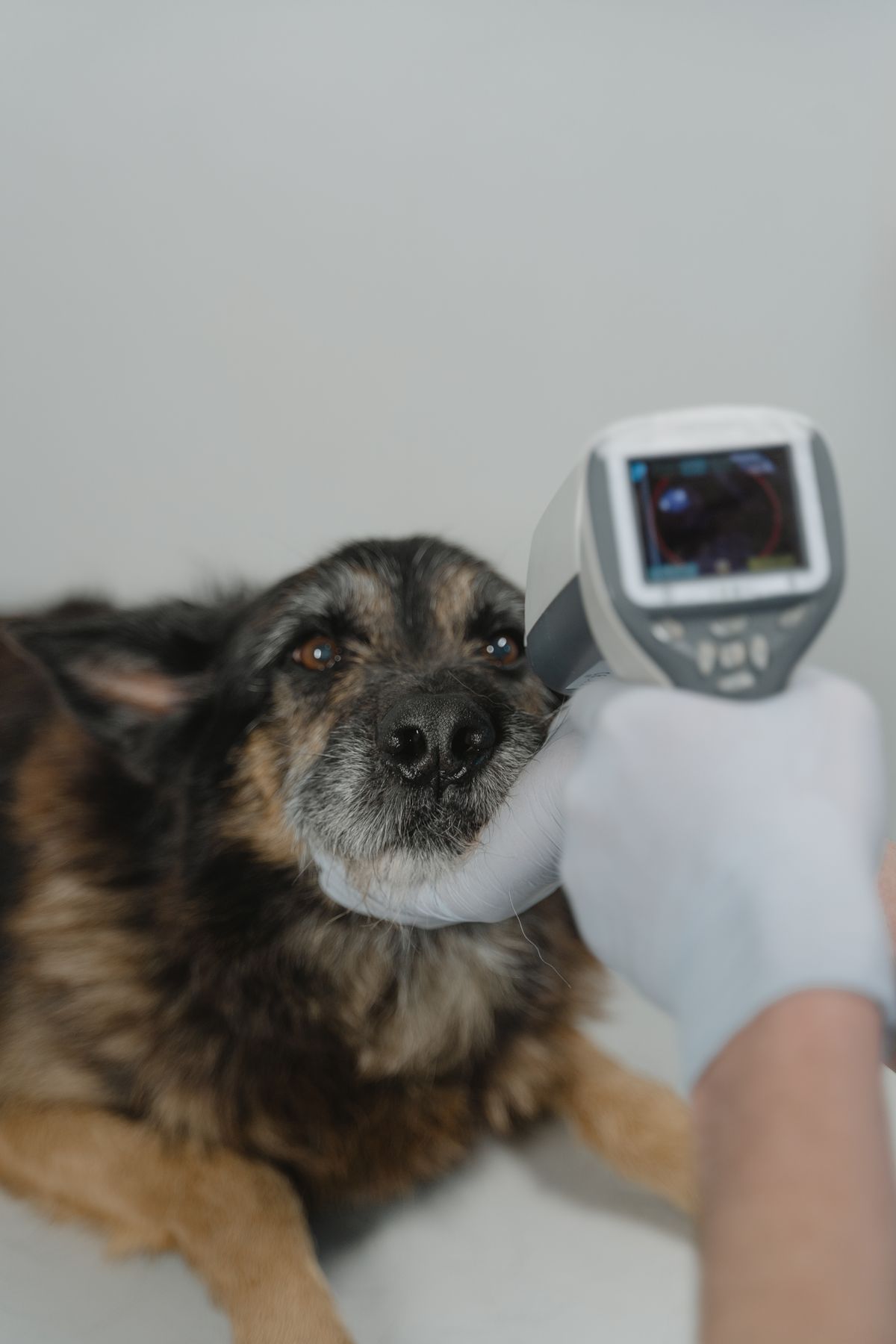
Ticks are more than a nuisance — in coastal Tanzania they carry real diseases. Here is how to protect your dog.
Read article
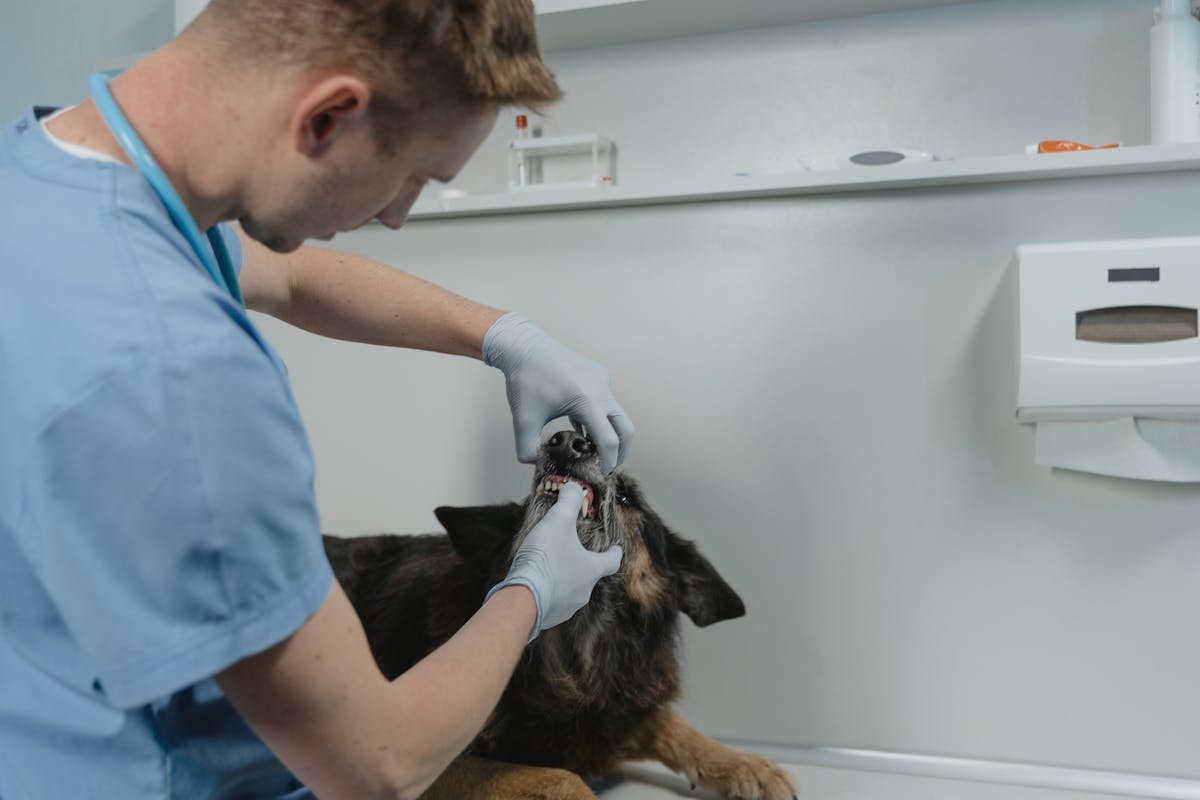
Bad breath is not normal — it is often the first sign of a painful, treatable problem in your dog’s mouth.
Read articleMecco Veterinary Clinic
Book an appointment or reach us in an emergency — we are here to help.