
Dogs
Tick Control for Dogs in Coastal Tanzania
Ticks are more than a nuisance — in coastal Tanzania they carry real diseases. Here is how to protect your dog.
Read articleDogs
What to vaccinate, when to start, and why a single injection is never enough to protect a growing puppy.

A puppy is born with an immune system that is still learning. For the first weeks of life, protection passed through the mother’s first milk — the colostrum — helps shield it from disease. That borrowed immunity fades at a rate we cannot predict from puppy to puppy, and while it is present it can also block a vaccine from working properly.
This is why puppies receive a course of vaccinations rather than one injection. Each dose is timed to take over as maternal protection declines, steadily building a reliable immune response. A single injection given too early may be neutralised by the mother’s antibodies, leaving a puppy that looks vaccinated but is not fully protected.
Vaccination is one of the simplest and most effective things you will ever do for your dog. It protects against diseases that are common, serious and sometimes fatal — and some of them can also affect people.
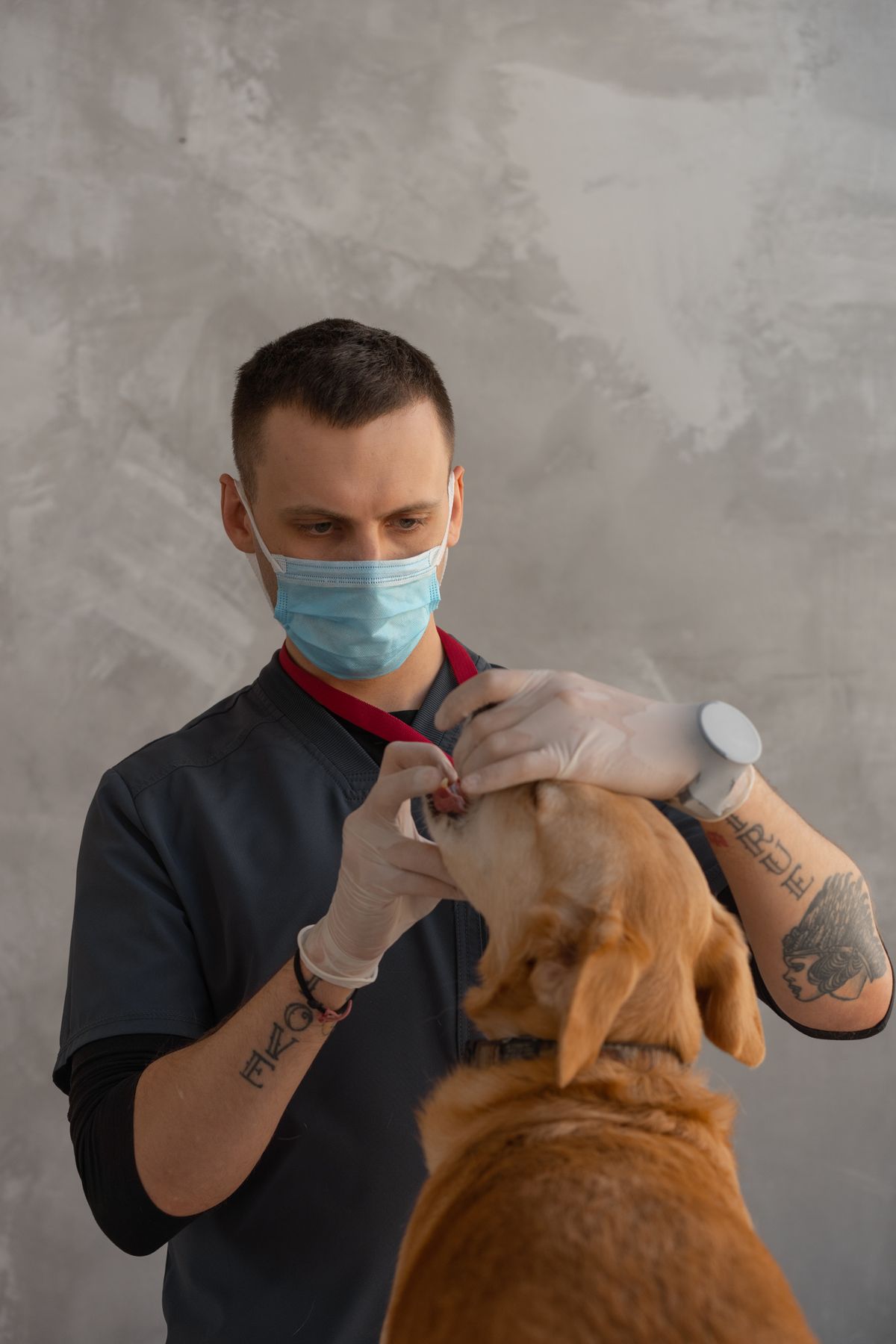
Core vaccines protect against diseases that are widespread and dangerous. Depending on your dog’s lifestyle and local risk, we may also recommend additional protection.
Puppies usually begin their course at six to eight weeks of age, with further doses every few weeks until around sixteen weeks. The exact timing depends on how old your puppy is when we first see them, their general health and the products we use. If a dose is missed or delayed, we simply pick the course back up — there is no need to start again.
After the puppy course, a booster at around a year keeps immunity strong. From then on, adult dogs need boosters at intervals set by the vaccine and your dog’s individual risk. We record every dose in your pet’s file and can remind you when the next one is due.
Rabies vaccination follows its own schedule and is required for travel and often for licensing. We will advise on the correct timing so that it counts where it needs to.
The weeks before a puppy is fully protected are also the most important for socialisation, so the aim is balance rather than isolation.
Most puppies take their injections in their stride. It is common to see mild, short-lived signs for a day or two: a little sleepiness, a slightly reduced appetite, or a small lump or tenderness at the injection site. These usually settle without treatment.
Serious reactions are rare. Contact us straight away if you see facial swelling, widespread hives, persistent vomiting, difficulty breathing or collapse. If you are ever unsure, a phone call costs nothing and may save a life.
A common mistake is to delay the course because the puppy seems healthy. Healthy puppies are exactly the ones we want to protect, before they meet the diseases we are vaccinating against.
Book your puppy’s first vaccination as soon as you can, and bring any record the breeder or previous owner gave you. If you are unsure what your puppy has already received, do not worry — we can build a sensible schedule from wherever you are.
At each visit we check your puppy over, answer your questions, and record what was given and when the next dose is due. Puppy visits are also a good moment to discuss worming, microchipping and neutering, so everything stays on track.
If your puppy becomes unwell between visits — especially with vomiting, diarrhoea, coughing or lethargy — contact us before bringing them in, so we can advise on the safest way for them to be seen.

Keep reading
Ticks are more than a nuisance — in coastal Tanzania they carry real diseases. Here is how to protect your dog.
Read article
Itching, hair loss and redness have many causes. Finding the right one is the key to lasting relief.
Read article
Bad breath is not normal — it is often the first sign of a painful, treatable problem in your dog’s mouth.
Read articleMecco Veterinary Clinic
Book an appointment or reach us in an emergency — we are here to help.