
Dogs
Puppy Vaccination: A Complete Guide for New Owners
What to vaccinate, when to start, and why a single injection is never enough to protect a growing puppy.
Read articleDogs
Good nutrition is one of the simplest, most powerful things you can do for your dog’s long-term health.
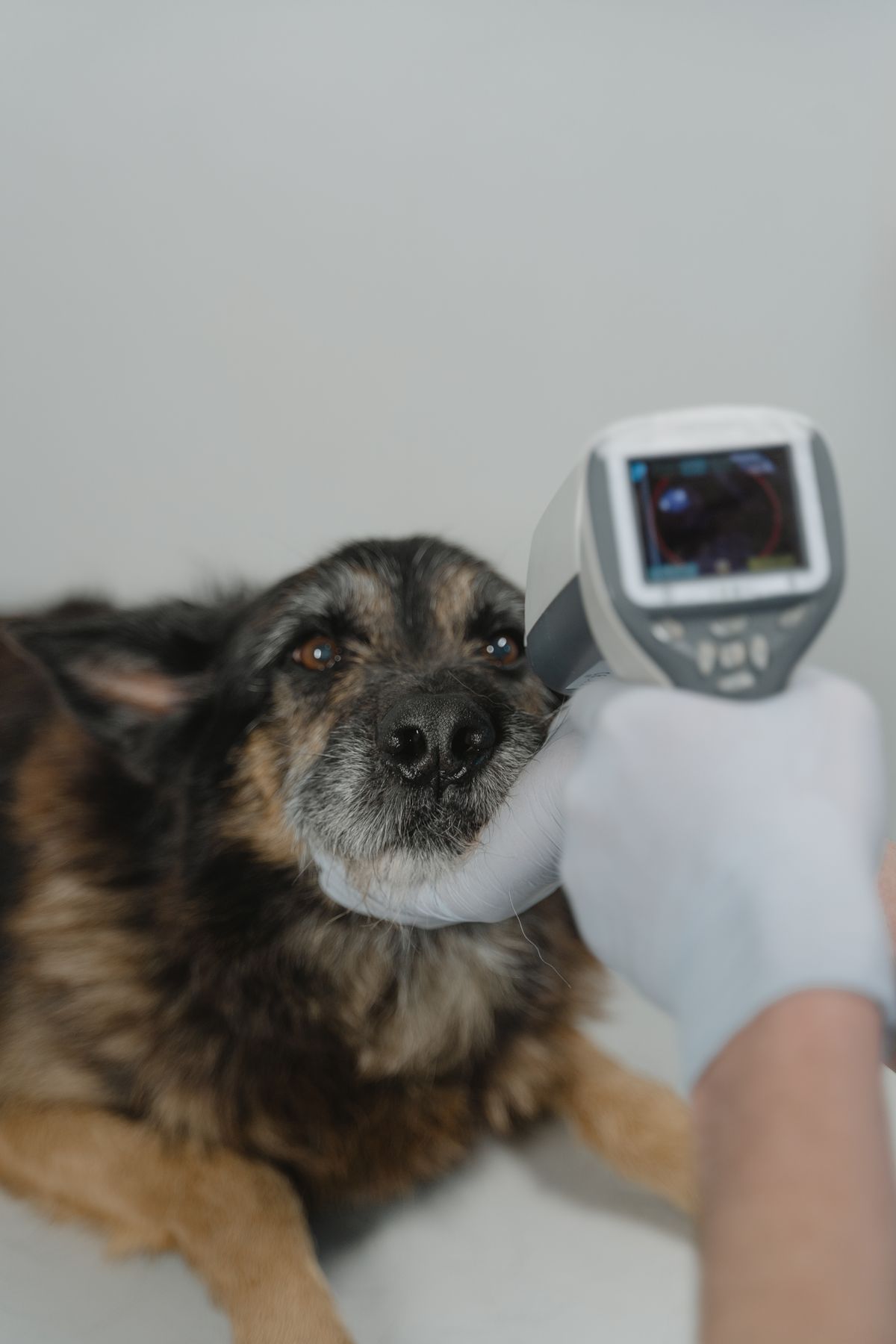
Dogs need a diet that provides the right balance of protein, fat, carbohydrates, vitamins, minerals and water for their life stage. Getting that balance right supports growth, maintains muscle and immunity, keeps the coat healthy and helps prevent disease later in life.
A quality commercial diet labelled “complete and balanced” for the correct life stage is the safest foundation for most dogs, because it has been formulated to meet known nutritional requirements. Home-prepared diets can work well, but only when they are properly balanced — an unplanned mixture of meat and rice, however well intentioned, is rarely complete.
If you would like to feed a home diet, speak to us first. We can help you build a plan that covers all the essentials and avoids the nutrient gaps that cause problems over time.

A dog’s needs change with age, size and activity, so the diet should change too.
Being overweight is one of the most common and most overlooked health problems in dogs. Carrying extra weight increases the risk of joint disease, diabetes, heart strain and breathing difficulty, and it shortens comfortable life. Because weight creeps on gradually, owners often do not notice until it is significant.
You can check your dog’s shape at home. You should be able to feel the ribs easily without pressing hard, see a waist when viewed from above, and see a slight tuck in the belly from the side. If the ribs are hard to find, your dog is likely carrying too much.
At every wellness visit we assess body condition and weight trend, not just the number on the scale. If your dog needs to lose weight, we will build a realistic, kind plan with you rather than simply saying “feed less”.
Small, consistent habits make good nutrition far easier to sustain.
Some common foods are genuinely dangerous for dogs, and some feeding myths cause real harm.
Book a nutrition consultation if your dog is overweight or underweight, if it is a fussy eater, if it has a medical condition such as kidney, heart or joint disease, or if you want to move to a home-prepared diet. We will help you get the details right.
Contact us promptly if your dog stops eating, develops vomiting or diarrhoea, or if you suspect it has eaten something harmful. Changes in appetite and weight are often the first sign that something else is going on.
Good feeding is not about strict rules — it is about a plan that keeps your dog comfortable, at a healthy weight and enjoying its food for life.

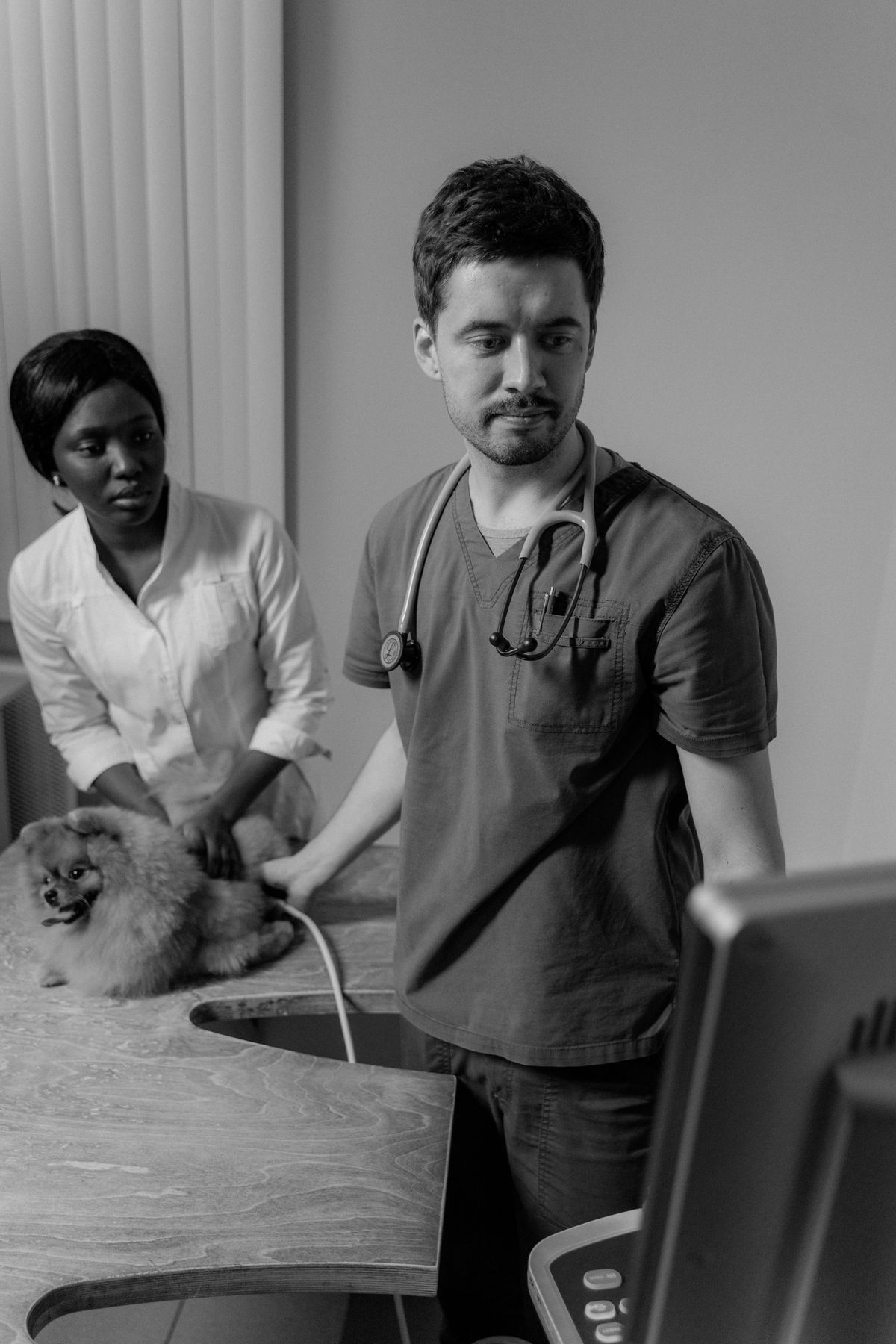
Keep reading
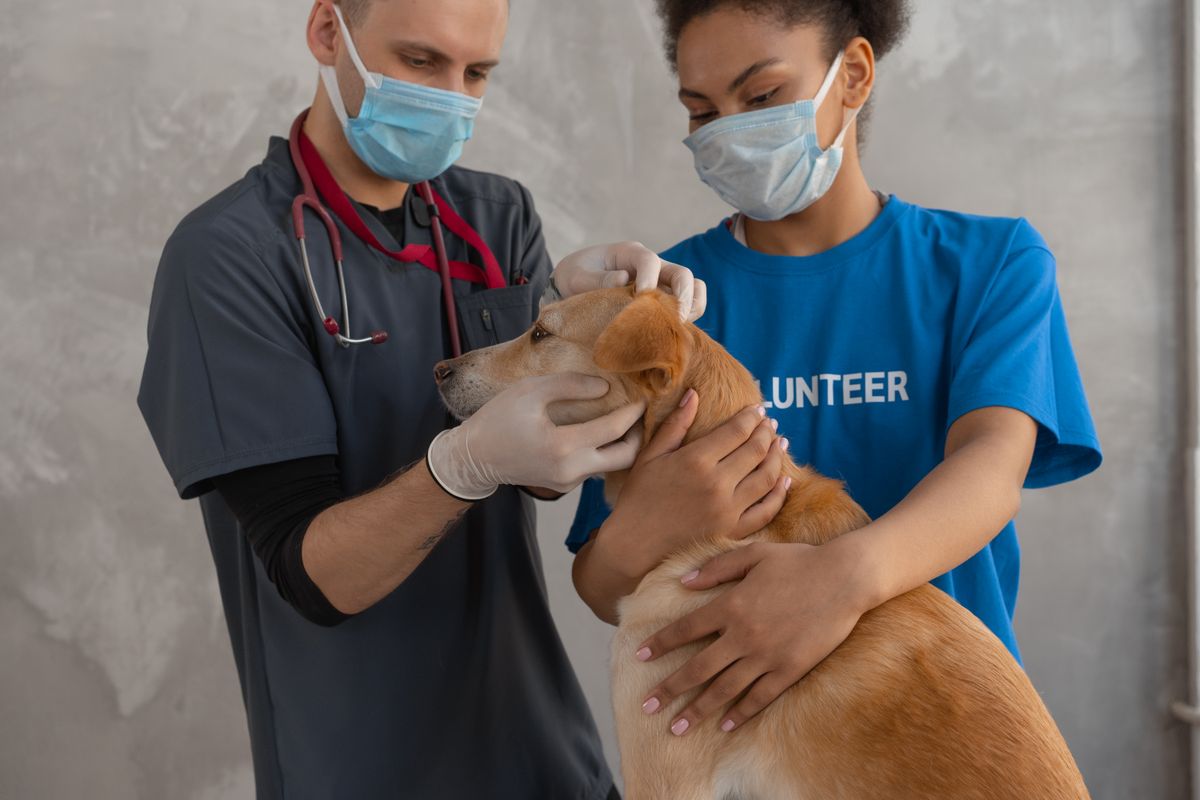
What to vaccinate, when to start, and why a single injection is never enough to protect a growing puppy.
Read article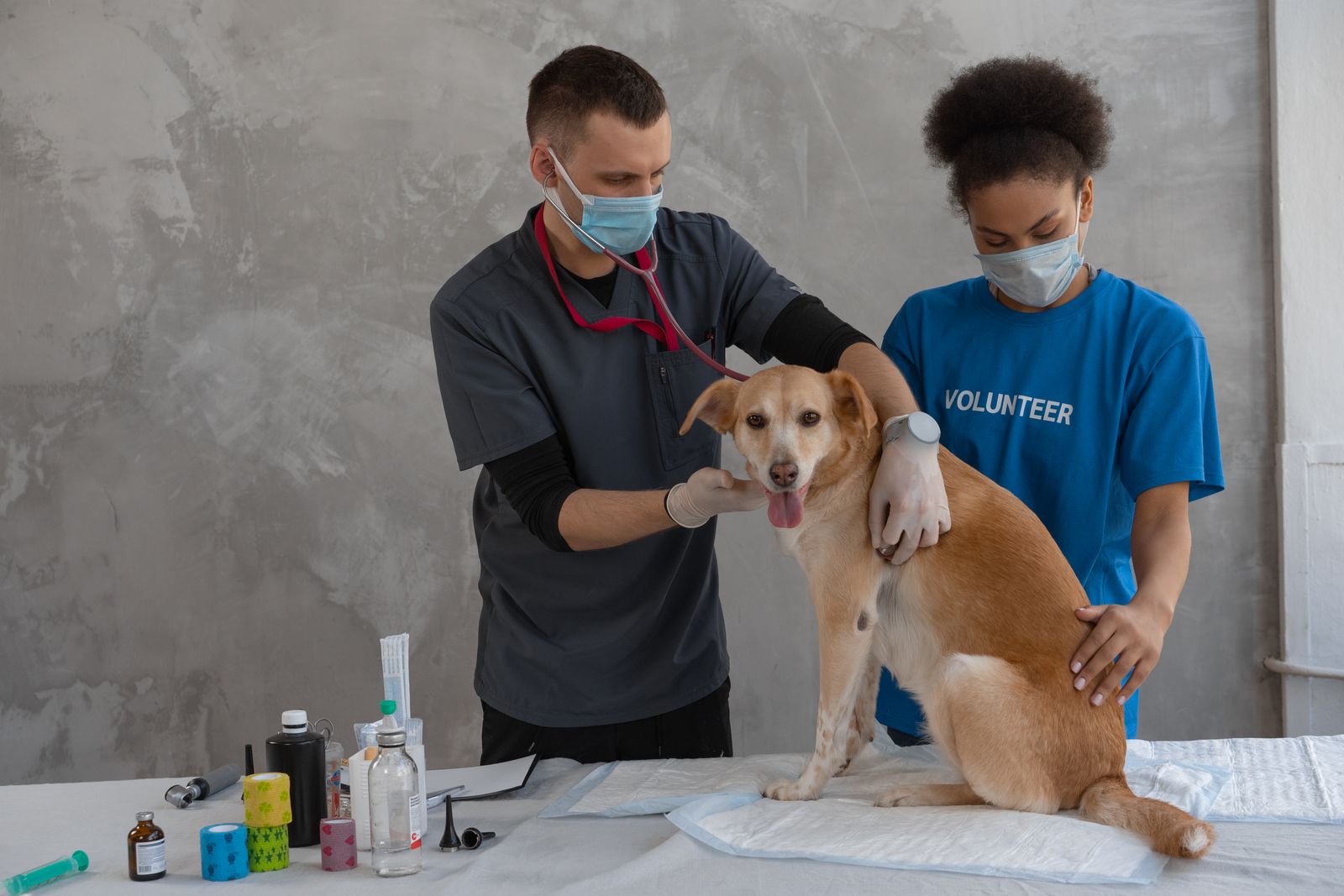
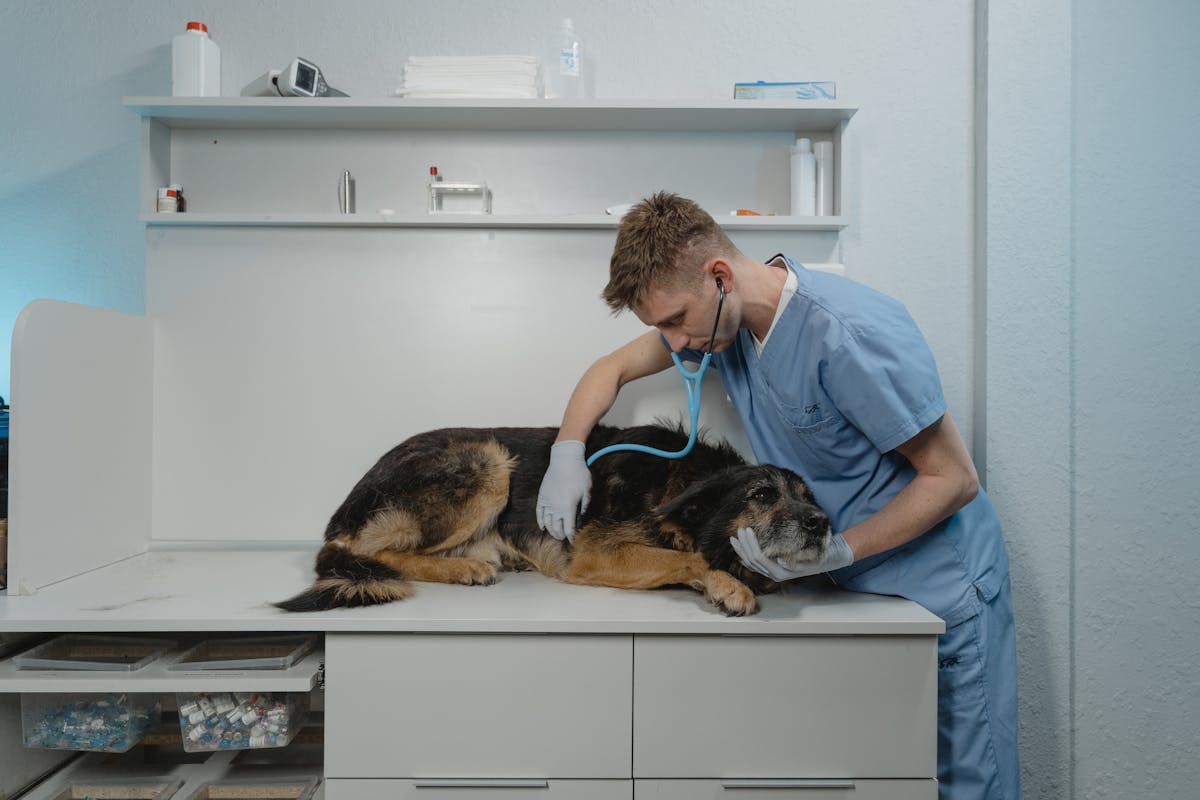
Ticks are more than a nuisance — in coastal Tanzania they carry real diseases. Here is how to protect your dog.
Read article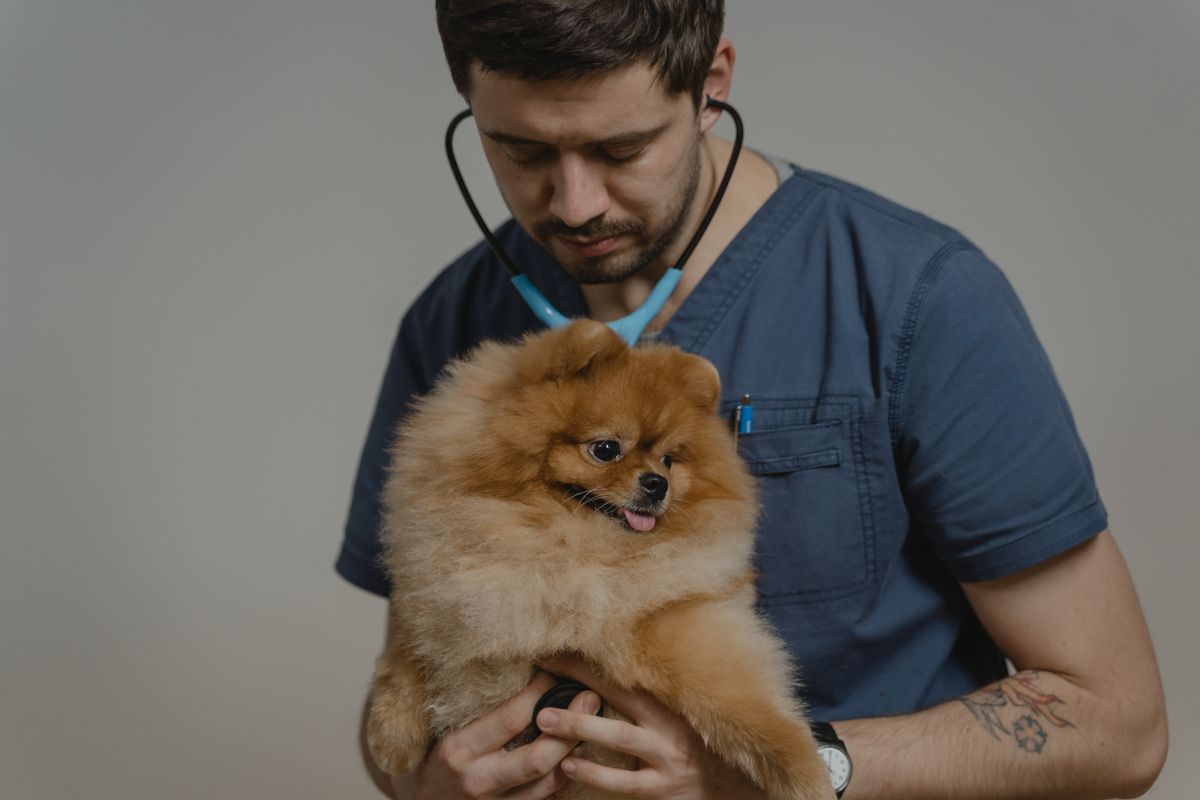
Itching, hair loss and redness have many causes. Finding the right one is the key to lasting relief.
Read articleMecco Veterinary Clinic
Book an appointment or reach us in an emergency — we are here to help.