
Cats
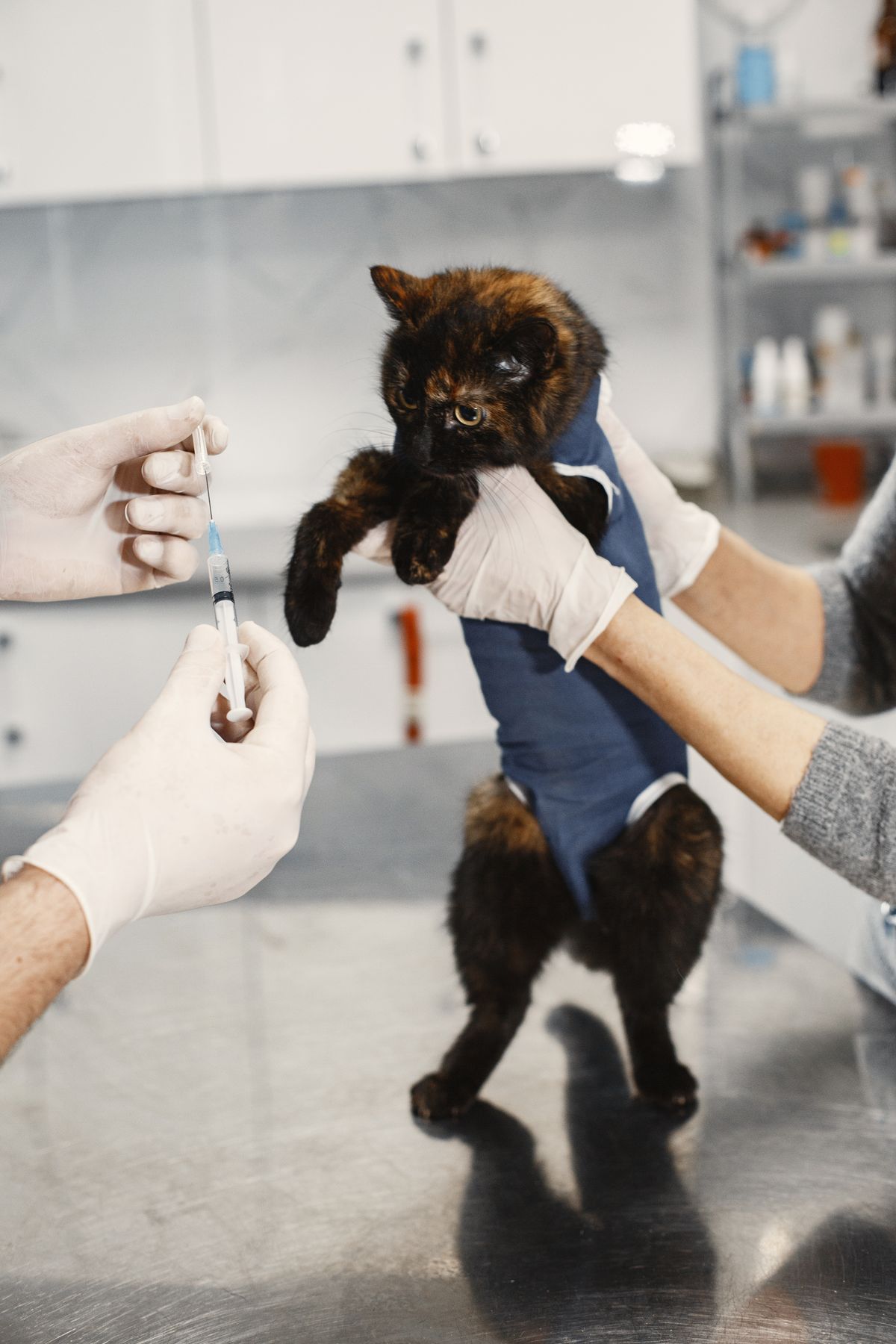
Kitten Vaccination: Giving Your Kitten the Best Start
A course, not a single injection — how to build strong immunity through your kitten’s first months.
Read articleCats
Indoor life protects cats from the street, but it creates health needs of its own. Here is how to meet them.
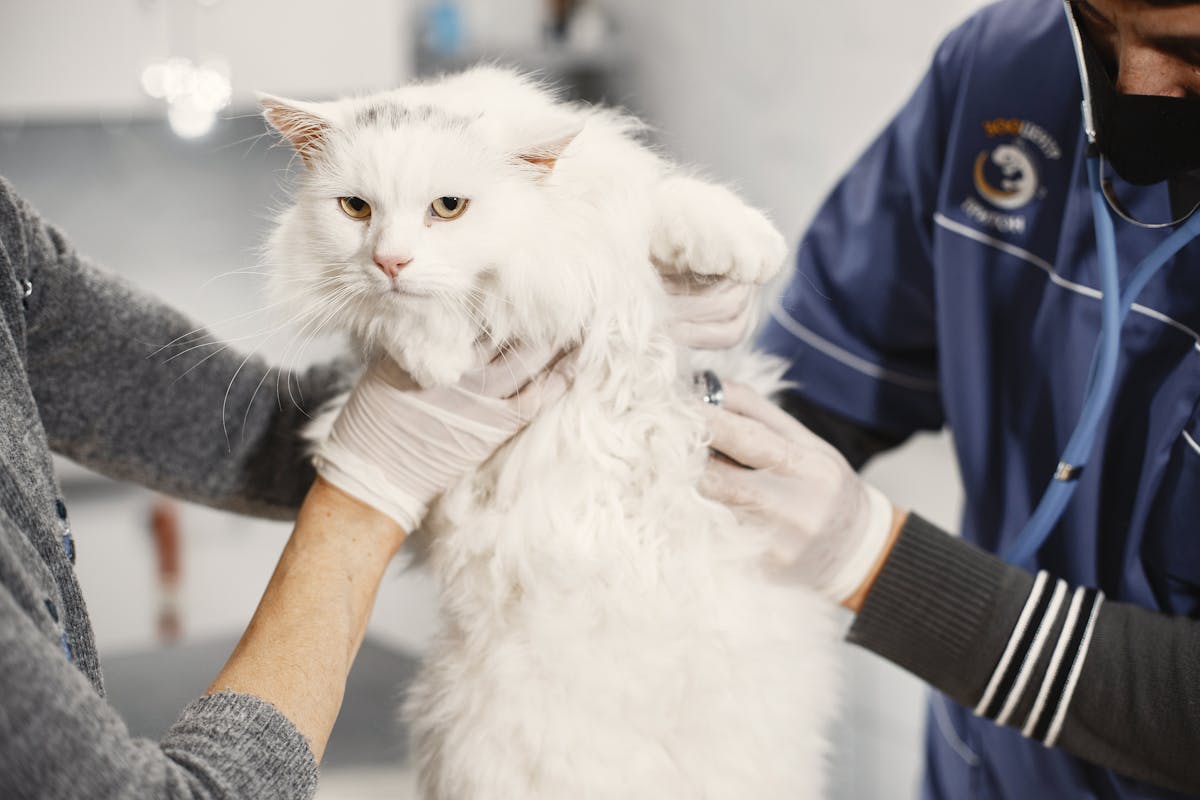
Keeping a cat indoors protects them from traffic, fights, infectious disease and the many dangers of the street. In a city like Dar es Salaam, that is a genuine and responsible choice. But indoor life creates its own health needs, and meeting them is what keeps an indoor cat truly well.
The main issues we see in indoor cats are subtle: gradual weight gain, boredom, dental disease, urinary problems and stress. None of them announce themselves loudly, which is exactly why routine care matters.
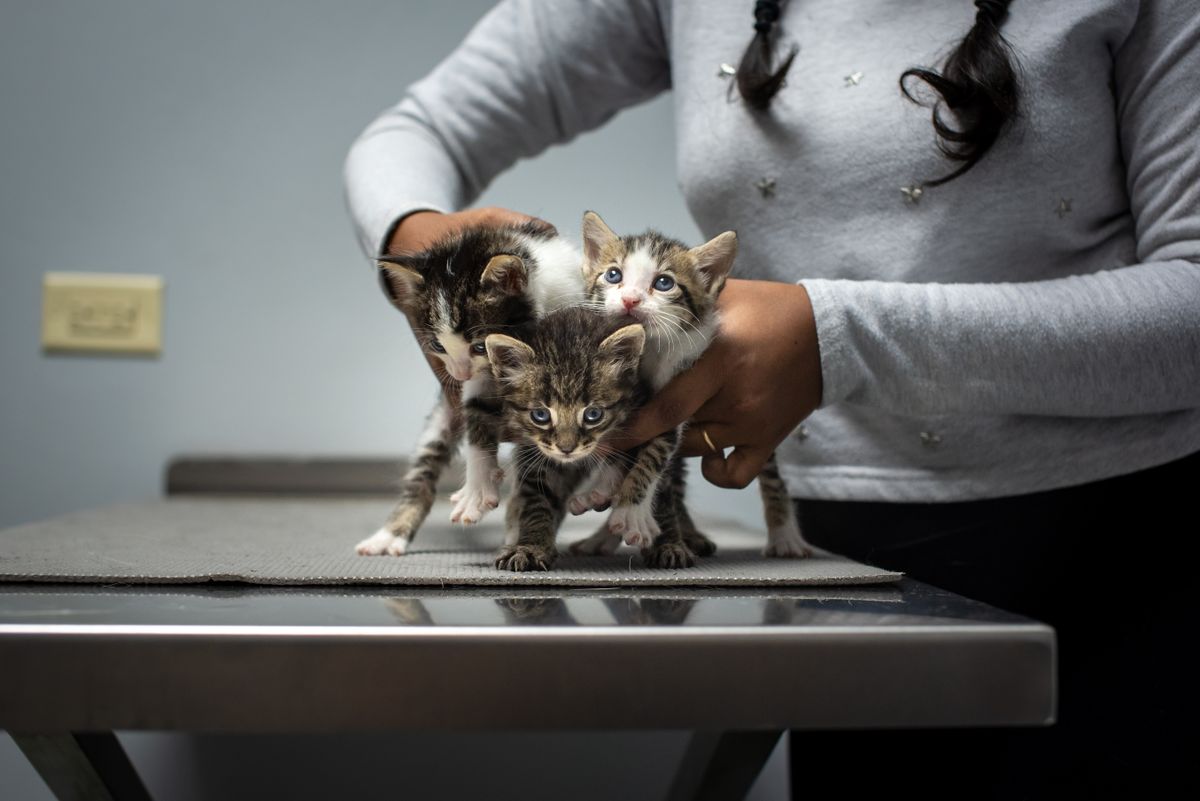
A cat needs to climb, scratch, hunt, hide and play. When those needs are unmet, stress rises, and stress plays a real role in feline illness — particularly urinary and skin problems. Enrichment is not a luxury; it is part of preventive care.
Provide vertical space such as cat trees and shelves, at least one scratching post, hiding places and daily interactive play. Puzzle feeders make mealtimes more interesting and slow down a greedy eater. Rotate toys so they stay novel.
Resources matter as much as toys. In a multi-cat home, provide separate food, water, litter trays, beds and resting spots so cats are not competing. A useful rule is one litter tray per cat, plus one.
Indoor cats still need vaccinations, parasite prevention, dental checks and an annual examination. Vaccination protects against diseases that can enter the home on clothing or via a new animal, and parasites do not respect the front door.
Weight is a particular focus. We assess body condition at every visit and, if needed, build a realistic feeding and activity plan with you. Measuring food rather than free-feeding is often the single most effective change. Fresh water and a suitable diet also support urinary health.
Annual visits let us catch the quiet problems — dental pain, early kidney changes, weight creep — long before they become obvious. For indoor cats in particular, the absence of symptoms is not the same as the absence of disease.
Contact Mecco if your indoor cat eats less, drinks or urinates more, strains to urinate, urinates outside the tray, vomits, hides more, stops grooming or becomes suddenly irritable. A cat straining to urinate without passing anything is an emergency — call us immediately.
Book an annual examination even when your cat seems perfectly well. That is precisely when we do our best preventive work, and when small changes are easiest to manage.
Keep reading
A course, not a single injection — how to build strong immunity through your kitten’s first months.
Read article
Understanding the illnesses vaccination and good care are designed to prevent — and the quiet signs cats show first.
Read article
Cats are experts at hiding mouth pain. Here is how to spot it early, prevent it and keep the whole body well.
Read articleMecco Veterinary Clinic
Book an appointment or reach us in an emergency — we are here to help.